
 34
34
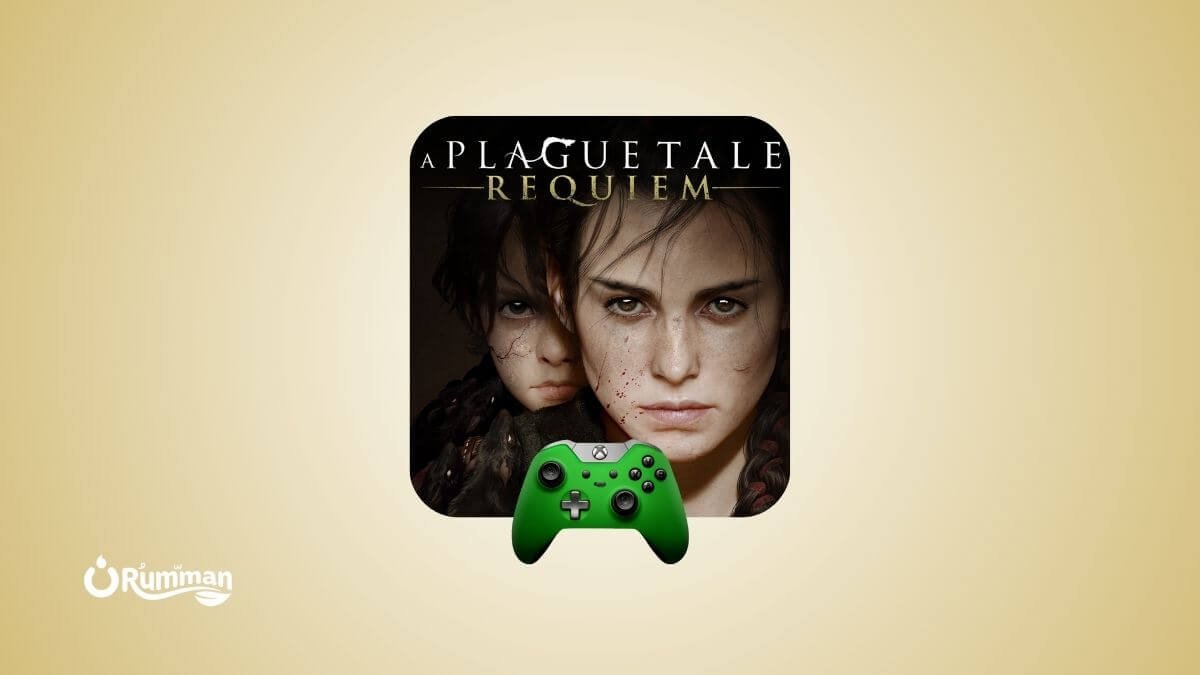
A Plague Tale: Requiem – Medieval Rat Horror Epic
Requiem delivers a hauntingly beautiful narrative adventure with expanded mechanics and emotionally devastating storytelling. Metacritic: 84-86/100.
Game Info
Verdict
Requiem masterfully amplifies the original's narrative strengths with expanded gameplay mechanics, stunning presentation, and emotionally devastating storytelling that positions it among the generation's finest action-adventures.
Pros
- Emotionally devastating narrative with exceptional character writing and voice performance
- Expanded stealth mechanics and environmental puzzle integration meaningfully improve gameplay depth
- 4K visuals with stunning period-accurate art direction create haunting atmospheres
- 15-18 hour campaign maintains pacing excellence with zero filler content
- Day One availability on Xbox Game Pass represents exceptional value for subscribers
Cons
- Fixed 30fps frame rate on consoles (no performance mode) frustrates action-focused players
- PC optimization issues result in inconsistent performance despite superior hardware requirements
- Single-player only design eliminates multiplayer/replayability for some audiences
- Narrative darkness and nihilism may overwhelm sensitive players; emotional heaviness sustains throughout
- Minimal post-launch content or community-driven engagement compared to live-service alternatives
Performance Notes
Console versions (PS5, Xbox Series X) deliver consistent 4K/30fps; PC versions demonstrate higher graphical fidelity but optimization issues resulted in lower critical scores. Nintendo Switch cloud version playable but introduces streaming latency. Overall, console versions perform noticeably superior to PC iteration.
A Plague Tale: Requiem builds masterfully upon its predecessor’s foundation, elevating the narrative-driven action-adventure formula into something genuinely unforgettable. Set in a plague-ravaged 14th-century France, protagonist Amicia de Rune and her cursed brother Hugo embark on a desperate journey southward seeking salvation. The sequel intensifies emotional weight while improving stealth mechanics, combat systems, and environmental puzzle-solving. Critics unanimously praised the game’s production values, with scores ranging 75-86 on Metacritic depending on platform. Developer Asobo Studio demonstrates architectural mastery in level design, crafting scenarios that feel simultaneously claustrophobic and sprawling. This review examines what transforms Requiem into a standout narrative experience, dissecting its storytelling approach, gameplay evolution, and technical presentation across platforms.
How to Play A Plague Tale: Requiem
Requiem emphasizes stealth and resource management within contained but explorable environments. Players control Amicia through linear but nonlinear scenarios requiring careful observation and tactical decision-making. Combat feels weighty but secondary to stealth; puzzles integrate environmental mechanics (fire, light, rats) into progression. Resource scarcity—ammunition, tools, allies—creates constant tension without overwhelming difficulty.
- Controls – Responsive controller mapping for PS5/Xbox; mouse/keyboard on PC feels precise; tutorial paces learning curve naturally
- Progression – Campaign advances through sequential chapters spanning 15-18 hours; upgrades unlock via crafting progression; no level gating
- Combat/Mechanics – Sling-based ranged attacks (igniter, grenade, pebble ammunition types); hand-to-hand takedowns; rat hordes act as environmental hazards and puzzle solutions
- Tips – Observe guard patrol patterns before engaging; prioritize stealth over direct confrontation; experiment with ammunition types to discover environmental solutions
Who Should Play A Plague Tale: Requiem
Requiem appeals to narrative enthusiasts and adventure lovers seeking emotional depth. Patient players comfortable with pacing emphasis over action will find profound resonance. Those demanding constant combat intensity or multiplayer features should recalibrate expectations toward Asobo’s deliberately paced storytelling approach.
- Narrative Players – Story-forward audiences will find 15-18 hours of expertly crafted narrative with cinematics rivaling interactive films
- Adventure Seekers – Environmental puzzles, exploration, and character discovery appeal to Uncharted/Last of Us enthusiasts
- Atmospheric Gamers – Haunting medieval setting, sound design, and gothic aesthetics create immersive world-building
- Skip if – Action-first players wanting constant combat will find pacing frustrating; multiplayer seekers should look elsewhere; budget-conscious buyers find limited replayability
A Plague Tale: Requiem Platform Performance
Requiem showcases technical prowess across platforms with notably different performance profiles. Xbox Series X/S and PS5 achieve stable frame rates and visual fidelity; PC demands high-end hardware for maximum settings. Interestingly, PC versions received the lowest Metacritic scores (75) due to reported optimization inconsistencies, while console versions dominated critic averages.
| Platform | Resolution | FPS | Notes |
|---|---|---|---|
| PC (Recommended) | 4K/1440p | 60 | Requires RTX 3070; some reports of framerate inconsistency in dense rat swarms |
| PlayStation 5 | 4K | 30 | Quality mode; no performance mode available; consistent frame delivery |
| Xbox Series X | 4K | 30 | Matches PS5; benefits from Quick Resume feature for efficient play sessions |
| Nintendo Switch (Cloud) | 1080p/720p | 30 | Cloud streaming version; requires stable 35Mbps internet; noticeable latency in input-heavy sequences |
A Plague Tale: Requiem System Requirements
PC requirements are surprisingly demanding despite narrative-focused design. Minimum specs target 1080p/30fps low settings on aging hardware; recommended demands recent-generation components for 1080p/60fps ultra settings. Storage footprint is modest at 55GB. Critics noted PC versions underperformed consoles technically, suggesting optimization challenges that PC-focused gamers should research before purchase.
| Component | Minimum | Recommended |
|---|---|---|
| OS | Windows 10 64-bit (Build 20H1) | Windows 10/11 64-bit (latest) |
| CPU | Intel Core i5-4690K (3.5GHz) / AMD FX-8300 (3.3GHz) | Intel Core i7-8700K (3.7GHz) / AMD Ryzen 5 3600 (3.6GHz) |
| GPU | NVIDIA GeForce GTX 970 (4GB) / AMD Radeon RX 590 (4GB) | NVIDIA RTX 3070 (8GB) / AMD RX 6800 XT (8GB) |
| RAM | 16GB DDR4 | 16GB DDR4 (3000MHz preferred) |
| Storage | 55GB SSD | SSD Required (NVMe preferred) |
Similar Games to A Plague Tale: Requiem
Requiem occupies the premium narrative-adventure space alongside cinematic action games. While singular in aesthetic, comparable experiences share design philosophies around storytelling priority, environmental puzzle-solving, and emotional character arcs. Each title below offers related but distinct approaches to adventure gaming.
- Uncharted: Legacy of Thieves – Treasure-hunting adventure with spectacle-driven action; emphasizes setpiece choreography over environmental puzzle solving
- The Last of Us Part I – Post-apocalyptic survival narrative with heavier combat focus; gameplay remains secondary to character relationships
- Tomb Raider trilogy (2013-2018) – Archaeological adventure balancing action, puzzles, and exploration; more combat-intensive than Requiem
- Kena: Bridge of Spirits – Stylized adventure with puzzle-platforming emphasis; lighter tone than Requiem’s gothic despair
A Plague Tale: Requiem vs Competitors
Requiem distinguishes itself within the narrative-adventure space through unique setting, thematic depth, and atmospheric design. Direct competition remains limited—few games combine historical fiction, plague horror, and emotional storytelling at this production level. The comparison below illustrates how Requiem leverages narrative focus against more action-balanced alternatives.
| Feature | A Plague Tale: Requiem | The Last of Us Part I | Uncharted: Legacy |
|---|---|---|---|
| Price (Standard) | $49.99 | $69.99 | $59.99 |
| Campaign Length | 15-18 hours | 20+ hours | 16-18 hours |
| Stealth Focus | Primary | Mixed with combat | Secondary |
| Puzzle Complexity | Environmental integration | Minimal | Moderate |
| Multiplayer | None | None | None |
| Metacritic | 84-86 | 93 | 85 |
A Plague Tale: Requiem Story and World
The narrative unfolds across war-torn medieval France during the Hundred Years War and Black Plague, creating a world defined by human cruelty and natural horror in equal measure. Amicia and Hugo escape persecution in their homeland, traveling southward through quarries, cities, and fortress strongholds while investigating the mysterious Prima Macula—a supernatural force connected to Hugo’s cursed abilities. The story escalates beyond the original’s scope, introducing factions, moral ambiguities, and character betrayals that ground the supernatural elements in emotional consequence.
Asobo deliberately embraces darkness; multiple characters meet brutal ends, protagonists face impossible choices, and the conclusion delivers thematic resolution rather than redemptive happiness. Voice performances and motion capture elevate character moments, particularly the increasingly strained sibling relationship between Amicia’s protective desperation and Hugo’s dangerous naivete. While some critics noted narrative pacing meanders occasionally, the emotional beats resonate powerfully through strong writing and committed performances.
A Plague Tale: Requiem Multiplayer and Online
A Plague Tale: Requiem is a single-player only experience with no multiplayer, competitive, or cooperative online components. Game Pass streaming represents the sole online feature, enabling cloud-based gameplay on compatible devices. This design decision prioritizes narrative integrity and artistic vision over live-service expectations, distinguishing Requiem from franchise-building AAA conventions.
- Single-Player Campaign – 15-18 hour narrative journey; no player-versus-player or cooperative modes
- Game Pass Cloud Play – Xbox Game Pass subscribers stream gameplay on mobile, tablets, and web browsers
- No Online Features – Zero multiplayer, leaderboards, or competitive components; purely offline progression
- Social Integration – Screenshots, video capture enabled; native platform sharing to social media
A Plague Tale: Requiem DLC and Expansions
Asobo Studio has released no DLC or expansion content for Requiem, maintaining artistic purity around the complete 15-18 hour narrative. Post-launch support limited to bug fixes and performance patches rather than content expansion. The completed story resists DLC conventions, reflecting developer philosophy around contained, definitive storytelling.
- No Planned DLC – Asobo confirmed no expansion content; the shipped game represents the complete creative vision
- Game Pass Inclusion – Day One availability on Xbox Game Pass eliminates paywall for subscribers
- Free Updates – Performance patches and bug fixes deployed periodically; no content additions
- Complete Experience – Purchase includes full narrative; no season pass, battle pass, or cosmetic monetization
A Plague Tale: Requiem Community and Support
Asobo maintains modest online presence reflecting the game’s single-player nature. Community engagement focuses on bug reporting and artistic appreciation rather than live-service management. The lack of multiplayer eliminates the service commitment that typically defines AAA live-games, resulting in healthier long-term player sentiment around value and completion.
- Official Forums – Asobo forums limited to bug reports, technical support, and appreciation threads
- Reddit/Discord – r/APlagueTale community hosts spoiler discussions, speedrun attempts, and artistic appreciation; small but dedicated fanbase
- Mod Support – PC versions lack native modding tools or Steam Workshop integration; community mods address minor visual enhancements
- Support – Patches address reported crashes and performance regressions; roadmap transparency minimal due to single-player design scope