
 41
41
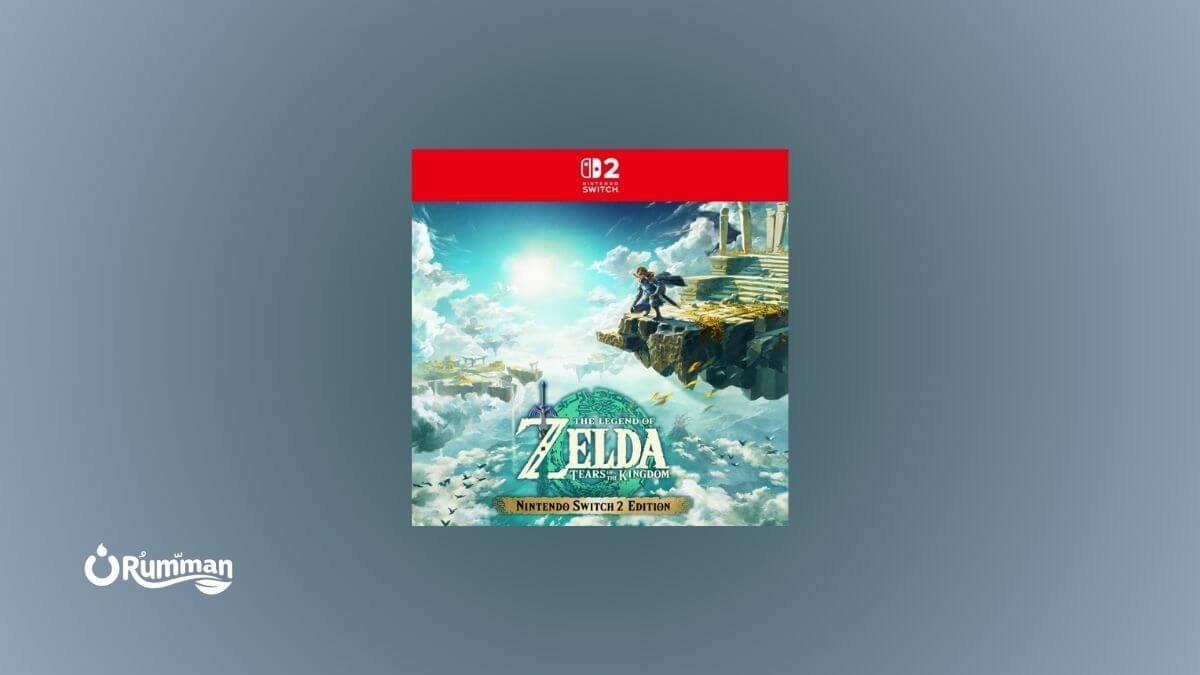
The Legend of Zelda: Tears of the Kingdom – Epic Sky Adventure
Tears of the Kingdom builds on Breath of the Wild's foundation with creative new mechanics, expanded exploration across sky and underground realms, and inventive puzzle design. Critical consensus: 96/10.
Game Info
Verdict
A masterpiece that expands Breath of the Wild's foundation with creative mechanics, rewarding exploration, and uncompromising design vision.
Pros
- Fuse and Ultrahand systems enable limitless creative problem-solving and player expression
- Three-layer world design (sky, surface, underground) provides hundreds of hours of exploration
- Non-linear dungeon order and flexible combat rewards experimentation over optimization
- Exceptional environmental storytelling integrated with traditional narrative beats
- Technical stability and consistent 30fps performance across all Switch hardware
Cons
- 30fps frame rate remains divisive despite stable delivery; Switch 2 upgrade not included with base purchase
- Sky islands feel occasionally repetitive with similar puzzles and layouts
- Physics engine occasionally produces unintuitive results with vehicle building
- No multiplayer or co-op limits shared-play appeal in household settings
- Zelda's secondary storyline feels underdeveloped compared to Link's central arc
Performance Notes
Nintendo Switch exclusive running at stable 30fps in both docked (1080p) and handheld (720p) modes with minimal frame drops. Switch 2 upgrade June 2025 provides 60fps at 1440p+. PC emulation via Yuzu/Ryujinx achieves 1440p-4K 60fps+ on RTX 30-series hardware.
The Legend of Zelda: Tears of the Kingdom stands as one of 2023’s most lauded experiences, delivering a sequel that honors its predecessor while introducing meaningful innovations. This adventure expands Hyrule’s playable space across three interconnected layers—sky, surface, and underground—creating unprecedented exploration opportunities. Unlike traditional sequels that iterate incrementally, Tears of the Kingdom fundamentally reimagines how players interact with the world through fusing, building vehicles, and manipulating time itself. Whether you approach it as a direct continuation or a fresh adventure, this review covers what makes the game resonate with both critical and player communities.
How to Play The Legend of Zelda: Tears of the Kingdom
Link awakens with new powers tied to the Zonai civilization. Gameplay revolves around exploration, environmental puzzle-solving, and combat encounters spread across vastly expanded terrain. Your journey involves discovering Tears of Light, meeting side characters, and ultimately confronting threats to Hyrule’s survival. The core loop mirrors Breath of the Wild but feels distinctly fresh.
- Controls – Standard Switch controller layout. Abilities map to shoulder buttons. Fuse system activates through dedicated button press. Learning curve is gentle for players familiar with the original, steeper for newcomers.
- Progression – Non-linear structure allows attacking dungeons in any order. Gathering Zonai components from sky islands and defeating enemies gates access to vehicle-building stations. Heart containers and stamina vessels reward shrine completion.
- Combat/Mechanics – Fuse system lets you attach objects to weapons and arrows, dramatically extending durability and creative damage options. Ultrahand ability enables vehicle construction. New abilities like Rewind and Ascend open environmental pathways. Standard melee, archery, and magic interplay remains.
- Tips – Explore thoroughly to locate Zonai dispensers and vehicle stations early. Don’t underestimate environmental damage to enemies. Experiment with fusing materials you find lying around; the game rewards lateral thinking.
Who Should Play The Legend of Zelda: Tears of the Kingdom
This game appeals to exploration enthusiasts, creative problem-solvers, and players seeking substantial single-player content. The non-linear structure accommodates different play styles and skill levels through accessibility options.
- Exploration Focused Players – The sky islands and underground provide hundreds of secrets, shrines, and puzzles to discover. Climbing, gliding, and building vehicles encourages exploration from every angle.
- Creative Thinkers – Vehicle building and fuse mechanics reward experimentation. Multiple viable solutions exist for most challenges, encouraging personal problem-solving approaches over rigid puzzle sequences.
- Nintendo Franchise Fans – Rich story integration with Zelda lore, character cameos, and world-building that deepens understanding of Hyrule’s mythology and history.
- Skip if – You prefer fast-paced multiplayer experiences, story-driven linear narratives without exploration freedom, or strictly timed performance-dependent gameplay. Frame rate sensitivity on 30fps may frustrate some players.
The Legend of Zelda: Tears of the Kingdom Platform Performance
Running exclusively on Nintendo Switch, Tears of the Kingdom maintains consistent performance across hardware versions. Docked and handheld modes deliver identical visual experience with stable framerate, though coming to Switch 2 with enhanced resolution and faster loading.
| Platform | Resolution | FPS | Notes |
|---|---|---|---|
| Nintendo Switch Docked | 1080p | 30 | Stable framerate throughout gameplay, minimal drops |
| Nintendo Switch Handheld | 720p | 30 | Identical performance to docked, excellent portable experience |
| Switch 2 (June 2025) | 1440p+ | 60 | Upgrade purchase available; NSO+ members get free upgrade |
| PC Emulation (Yuzu) | 4K | 60+ | Requires dumped game copy; excellent scaling on RTX 30-series and newer |
The Legend of Zelda: Tears of the Kingdom System Requirements
As a Nintendo Switch exclusive, hardware requirements are straightforward. The game leverages Switch architecture efficiently, running identically across OLED and standard models. No PC version exists officially, though emulation is viable for those who own physical copies.
| Component | Minimum | Recommended |
|---|---|---|
| Platform | Nintendo Switch | Nintendo Switch OLED |
| Storage | 15GB available | SSD/microSD recommended |
| Memory | 4GB RAM (integrated) | OLED version preferred |
| PC Emulation (Yuzu) | RTX 2080 / RX 5700 | RTX 3080+ / RX 6800 XT |
| Emulation CPU | Ryzen 5 3600 | Ryzen 7 5800X3D |
Similar Games to The Legend of Zelda: Tears of the Kingdom
Finding exact spiritual matches proves difficult given Tears’ unique design, but these titles share core design philosophies around exploration, creative problem-solving, or open-world freedom with interconnected mechanics.
- The Legend of Zelda: Breath of the Wild – Direct predecessor sharing the same engine, world, and combat foundation but without vehicle building or expanded three-layer exploration structure.
- Baldur’s Gate 3 – Matches creative problem-solving approach where unexpected solutions often work. Rewards experimental playstyles and unconventional approaches to obstacles.
- The Outer Worlds – Smaller-scale open world with player agency in approach to challenges. Different dialogue and stealth options yield varied outcomes similar to Tears’ flexibility.
- Portal 2 – Emphasizes creative use of limited mechanical tools to overcome physics-based puzzles. Shares philosophical approach of learning systems deeply before application.
The Legend of Zelda: Tears of the Kingdom vs Competitors
Direct competition in the single-player exploration-action space remains limited. Most comparable titles occupy different design philosophies, though these represent closest alternatives in scope and structural approach.
| Feature | Tears of the Kingdom | Breath of the Wild | Baldur’s Gate 3 |
|---|---|---|---|
| Price | $59.99 | $59.99 | $59.99 |
| Playtime (Main Story) | 40-60 hours | 35-50 hours | 80-100 hours |
| Open World | Yes (Sky/Surface/Underground) | Yes (Surface only) | Yes (interconnected) |
| Multiplayer | No | No | No |
| Metacritic Score | 96 | 98 | 96 |
The Legend of Zelda: Tears of the Kingdom Story and World
Hyrule faces catastrophic upheaval as the Zonai civilization’s curse threatens reality itself. Tears of Light manifest across the landscape, and Link must restore balance using ancient Zonai technology previously hidden beneath the surface. The narrative expands on Breath of the Wild’s timeline, providing context for Hyrule’s transformation and introducing the enigmatic Zelda’s parallel journey. World-building integrates environmental storytelling with NPC narratives, creating layered understanding of culture, history, and the cost of previous conflicts. Dungeons reflect regional environments and thematic resonance, from liquid-based temples to time-manipulation chambers, with boss designs that challenge you to master acquired abilities rather than exploit enemy patterns.
The Legend of Zelda: Tears of the Kingdom Multiplayer and Online
Tears of the Kingdom remains a single-player only experience. No co-op, multiplayer modes, or online competitive features exist in the official release. Nintendo confirmed no plans for multiplayer functionality after analyzing design scope and player feedback from Breath of the Wild’s reception.
- Single-Player Campaign – Entire game designed around solo Link’s journey. 40-60 hour experience without online dependencies or interruptions.
- Cloud Saves – Nintendo Switch Online members get automatic cloud backup for save files, enabling play across multiple Switch consoles.
- No Split-Screen – Unlike some Nintendo titles, no local co-op option exists, preventing two-player handheld or couch play.
- Community Events – No seasonal events, battle passes, or live service mechanics. Game ships feature-complete without post-launch multiplayer additions.
The Legend of Zelda: Tears of the Kingdom DLC and Expansions
Producer Eiji Aonuma explicitly confirmed in September 2023 that no DLC or expansions are in development. The team intentionally moved to new projects rather than extend Tears of the Kingdom, marking a departure from Breath of the Wild’s two-expansion model, though alignment suggests satisfaction with base game’s content volume.
- No Planned DLC – Zero expansion passes, story DLC, or cosmetic packs announced. Game ships as the complete vision without roadmap for additions.
- Free Updates – Performance patches and stability improvements have rolled out, but no content expansion updates.
- Switch 2 Upgrade – Paid upgrade ($19.99 estimated) or free with NSO+ for enhanced 60fps version launching June 5, 2025, with new voice acting and “Zelda Notes” feature on companion app.
- Contrast with Breath of the Wild – Original game received Master Trials ($20 season pass) with two packs. Sequel’s no-DLC stance reflects developer resource allocation toward future titles.
The Legend of Zelda: Tears of the Kingdom Community and Support
Developer commitment and community engagement remain strong despite no DLC plans. Nintendo actively monitors player feedback while maintaining development transparency through interviews and official statements. Modding community, particularly on emulated PC versions, creates novel content and quality-of-life improvements independently.
- Official Nintendo Support – FAQs, tutorials, and troubleshooting available on Nintendo’s support portal. Community managers engage through official Discord and social channels.
- Reddit and Discord Communities – r/zelda and r/tearsofthekingdom boast 800k+ members sharing discoveries, strategies, and creative builds. Discord servers organize community events and discussions.
- Modding Community – Yuzu and Ryujinx emulator modders create quality-of-life improvements, texture upgrades, and experimental mechanics. Nintendo takedowns of derivative content remain uncommon compared to fan game projects.
- Patch Roadmap – Stability-focused updates continue quarterly. No feature additions planned; team transparently communicates closure of new content development.