
 30
30
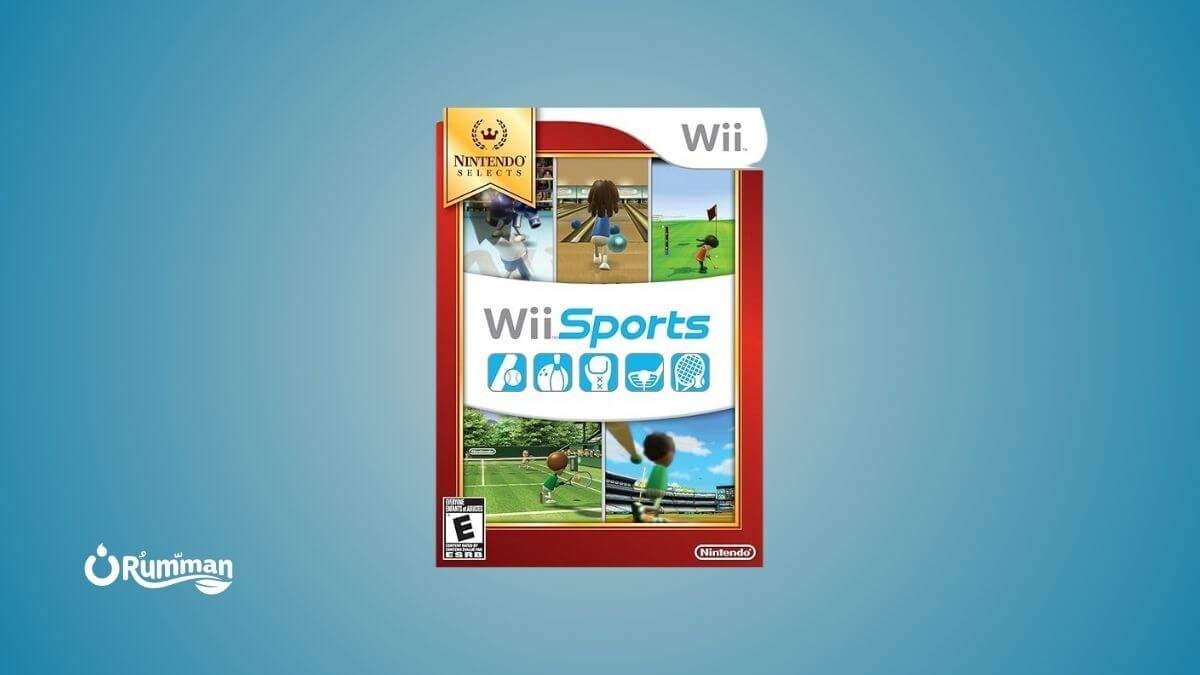
Wii Sports – The Motion Control Revolution
The defining motion-control experience that launched a billion casual gaming sessions. Wii Sports earns 7.6/10 on Metacritic for its accessible gameplay and cultural impact.
Game Info
Verdict
Wii Sports remains the gold standard for motion-controlled sports gaming, prioritizing accessibility and social fun over technical complexity.
Pros
- Genuinely revolutionary motion controls that feel natural and immediate
- Zero learning curve for players unfamiliar with gaming
- Exceptional four-player local multiplayer fun
- Bundled free with Wii console in most regions
- Timeless appeal that remains engaging 18+ years later
- Simple but satisfying progression systems
- Online functionality still operational through preservation efforts
Cons
- Limited sport selection (only five sports) compared to sequels
- Graphics are basic even by 2006 standards
- Lack of narrative or story mode feels minimalist to some
- Motion sensitivity can be inconsistent with worn controllers
- No motion-plus support limits precision compared to Resort
Performance Notes
Wii Sports runs at native 480p resolution with stable 60 FPS across all five sports. Performance is flawless on original Wii hardware and maintains identical performance when played through Wii U backward compatibility. No framerate drops or resolution compromises occur during multiplayer sessions with four simultaneous players.
Wii Sports redefined gaming accessibility when it shipped as a pack-in title alongside the Nintendo Wii console in 2006. This collection of five motion-controlled sports simulations fundamentally changed how people interact with gaming, proving that intuitive controls and familiar activities could captivate players who had never held a controller before. Its critical consensus of 76 on Metacritic reflects genuine innovation in gameplay mechanics rather than technical depth. This review explores Wii Sports’ enduring appeal, practical performance across platforms, and its position within the broader landscape of motion-controlled sports gaming.
How to Play Wii Sports
Wii Sports strips away complex button combinations in favor of direct physical motion mapping. Each sport uses the Wii Remote as the primary input device, translating your hand movements into on-screen actions. The controls are deliberately forgiving, rewarding natural movement over precision inputs. Progression happens through play rather than grinding mechanics.
- Controls – Hold the Wii Remote like a racket for tennis, a baseball bat for baseball, or a golf club for golf. Motion detection captures swing speed, angle, and timing. No motion-plus accessory required. Learning curve is minimal for anyone familiar with the actual sports.
- Progression – Players advance by earning experience points across five sports: tennis, baseball, golf, bowling, and boxing. Your Mii character gains rank and skill level based on performance, unlocking online competitions and training challenges.
- Gameplay Loop – Select a sport, choose single-player or multiplayer mode, execute physical motions matching the sport’s real-world mechanics, and watch your Mii react to your inputs. Immediate visual feedback makes the motion-to-action connection visceral and satisfying.
- Tips – Start with bowling to understand motion sensitivity before tackling tennis. Keep your wrist loose for natural swings. Use the training mode to practice timing without pressure. Multiplayer games reward consistency over power.
Who Should Play Wii Sports
Wii Sports transcends traditional gamer demographics through its universal appeal. Family members across age groups can participate simultaneously without skill gatekeeping. The game succeeds equally as a solo practice experience or party centerpiece. Its design philosophy prioritizes inclusion over hardcore challenge.
- Casual Players – Wii Sports exists specifically for people who find traditional gaming intimidating. The sports framework is familiar, controls are intuitive, and the game celebrates participation over perfection.
- Families – Four-player multiplayer makes this ideal for household gameplay sessions. Kids, parents, and grandparents can compete or cooperate in the same game without skill gaps creating frustration.
- Fitness-Conscious Gamers – The fitness mode tracks performance metrics and calculates your Wii Sports age. It functions as a genuine activity monitor, making it appealing to players seeking active gaming.
- Skip if – Competitive esports enthusiasts will find the lack of technical depth limiting. Players seeking complex strategies or high-skill ceilings will exhaust Wii Sports’ content quickly.
Wii Sports Platform Performance
Wii Sports runs natively on Nintendo Wii hardware at the console’s maximum specification. Performance is consistently stable across all five sports without framerate drops or resolution compromises. The title demonstrates efficient optimization given the hardware’s modest processing power compared to contemporary systems.
| Platform | Resolution | FPS | Notes |
|---|---|---|---|
| Nintendo Wii | 480p Progressive | 60 | Primary platform, flawless performance across all sports modes |
| Wii U (Backward Compatible) | 480p upscaled | 60 | Full compatibility with Wii Remote, runs identically to original |
| Wii Sports Club (Wii U) | 720p | 60 | Enhanced remake with motion-plus support, released 2013-2014 |
| Virtual Console/Emulation | Native 480p | 60 | Preserved through backward compatibility, no separate releases |
Wii Sports System Requirements
Wii Sports requires only the base Nintendo Wii console and a single Wii Remote controller. No additional accessories, subscriptions, or hardware beyond the standard Wii package are necessary. Motion-plus functionality is not supported or required. Storage needs are minimal as the game ships on disc.
| Component | Minimum | Recommended |
|---|---|---|
| Console | Nintendo Wii | Nintendo Wii (any revision) |
| Controller | One Wii Remote | Four Wii Remotes for multiplayer |
| Accessories | None required | Wii Motion-Plus unnecessary but compatible |
| Storage | Minimal (disc-based) | Save data uses 128MB Wii Memory Card |
| Internet | Not required | Optional for online rankings and leaderboards |
Similar Games to Wii Sports
Motion-controlled sports games saturated the Wii library following Wii Sports’ success. Several direct spiritual successors and genre variations attempted to replicate or expand upon the original formula with varying degrees of success. Each offers different sport selections and control refinements, though none achieved Wii Sports’ cultural penetration.
- Wii Sports Resort – Direct sequel released in 2009 with 12 sports including sword play, jet skiing, and basketball. Requires motion-plus accessory. Critically praised for depth but less accessible than the original.
- Mario Kart Wii – Shifts focus from realistic sports to arcade racing. Uses Wii Remote held sideways like a steering wheel. Competitive multiplayer emphasizes item-based chaos over simulation.
- Wii Sports Club – Enhanced HD remake for Wii U featuring the original five sports in 720p. Adds motion-plus functionality for greater control precision and online multiplayer options.
- Nintendo Switch Sports – Spiritual successor for modern hardware featuring bowling, tennis, golf, badminton, volleyball, soccer, and chambara. Updated motion controls for Joy-Con controllers with refined physics.
Wii Sports vs Competitors
Wii Sports established the template for motion-controlled casual gaming that competitors attempted to replicate. Direct price-to-value comparisons favor Wii Sports due to its pack-in status, though later titles offered expanded content. Critical reception reflects Wii Sports’ innovation advantage at launch versus iterative improvements in sequels.
| Feature | Wii Sports | Wii Sports Resort | Mario Kart Wii |
|---|---|---|---|
| Price | Free (bundled) | $49.99 | $49.99 |
| Average Playtime | 36-40 hours | 45-50 hours | 50-60 hours |
| Sport Count | 5 | 12 | 16 courses |
| Multiplayer | Yes (4 players) | Yes (4 players) | Yes (4 players) |
| Motion-Plus Required | No | Yes | No |
| Metacritic Score | 76 | 82 | 82 |
Wii Sports Story and World
Wii Sports deliberately strips away narrative to focus on sports mechanics and social interaction. Your Mii character serves as your avatar, competing against CPU-controlled Miis or human opponents. The game establishes a virtual sports ecosystem where ranking systems and training modes provide progression without story overhead. This design choice proved critical to accessibility, as narrative complexity might intimidate newcomers. The focus on gameplay purity over world-building actually strengthens Wii Sports’ universal appeal, making it equally engaging for players seeking competitive challenge or casual relaxation.
Wii Sports Multiplayer and Online
Multiplayer defines Wii Sports’ core identity. Four players can share controllers and participate simultaneously in any sport. Online functionality enables ranked matches, leaderboard competition, and asynchronous performance comparisons. Connection stability depends on Wii network adapter quality, but online play remains available through original servers despite Nintendo’s retirement of standard Wi-Fi services.
- Local Multiplayer – Up to four players on a single console taking turns or simultaneous play depending on sport selection. No split-screen limitation ensures enjoyable couch competitive experiences.
- Online Rankings – Competitive players can submit scores and participate in ranked matches. Leaderboards track regional and global performance across all sports.
- Mii Integration – Your custom Mii avatar represents you in all competitions, creating personalized gaming identity across sports modes.
- Cross-Play – Local and online opponents face identical ruleset and physics, ensuring fairness in ranked competitions.
Wii Sports DLC and Expansions
Wii Sports received minimal post-launch content reflecting the era’s limited DLC infrastructure. The game shipped feature-complete and received no substantial additions. Nintendo’s focus shifted to Wii Sports Resort as the sequel rather than expanding the original title. This approach contrasts with modern games’ seasonal content strategies.
- Fitness Channel – Free post-launch software update adding Fitness Mode, allowing players to track activity levels and Wii Sports age calculations without additional purchase.
- Training Modes – Included updates unlocked additional training challenges and mini-games within existing sports.
- No Paid Content – Wii Sports never adopted premium DLC, maintaining its free-to-play spirit beyond the initial pack-in bundle.
- Free Updates – Bug fixes and stability improvements arrived through automatic Wii system updates rather than dedicated game patches.
Wii Sports Community and Support
Wii Sports fostered massive grassroots communities despite limited official infrastructure. Player communities self-organized through forums, gaming websites, and Mii Channels. Nintendo provided server support through Wii Online Services, though these have been retired. Legacy community discussion remains active on Reddit and dedicated Wii gaming forums.
- Nintendo Community – Official Wii channels supported player rankings and statistics, now deprecated but archives available through preservation projects.
- Reddit and Forums – r/wii and dedicated Wii Sports communities maintain active discussion about strategies, records, and emulation setup guides.
- Mod Support – Minimal native mod support, though emulation communities created texture packs and custom Mii replacements through Dolphin and CEMU emulators.
- Preservation – Active preservation efforts maintain working Wii online services through private servers and emulation infrastructure, ensuring continued access.