
 44
44
Warframe – Sci-Fi Ninja Action Looter Shooter
A free-to-play cooperative shooter with 50+ customizable warframes, parkour combat, and endless grind. 8.5/10 score.
Game Info
Verdict
An enduring free-to-play masterpiece mixing parkour action, deep customization, and relentless progression into a 12-year phenomenon.
Pros
- Zero gameplay paywalls; 100% of content accessible without spending money
- 50+ highly distinct warframes with unique ability combinations and playstyles
- Parkour movement mechanics set industry standard for fluidity and responsiveness
- Cross-platform multiplayer with seamless squad integration across all systems
- Non-stop content updates and developer transparency through monthly livestreams
- Trading economy empowers players to earn premium currency through gameplay
- Story quests rank among gaming's most emotionally impactful narratives
Cons
- Severe new-player onboarding; game teaches mechanics through trial and error rather than tutorials
- Endgame progression revolves around grinding identical missions hundreds of times
- Mission variety suffers from randomly-generated tilesets creating sameness over time
- Endgame PvE content limited; players often resort to self-imposed challenge runs
- Complex mod system with overwhelming customization options for beginners
Performance Notes
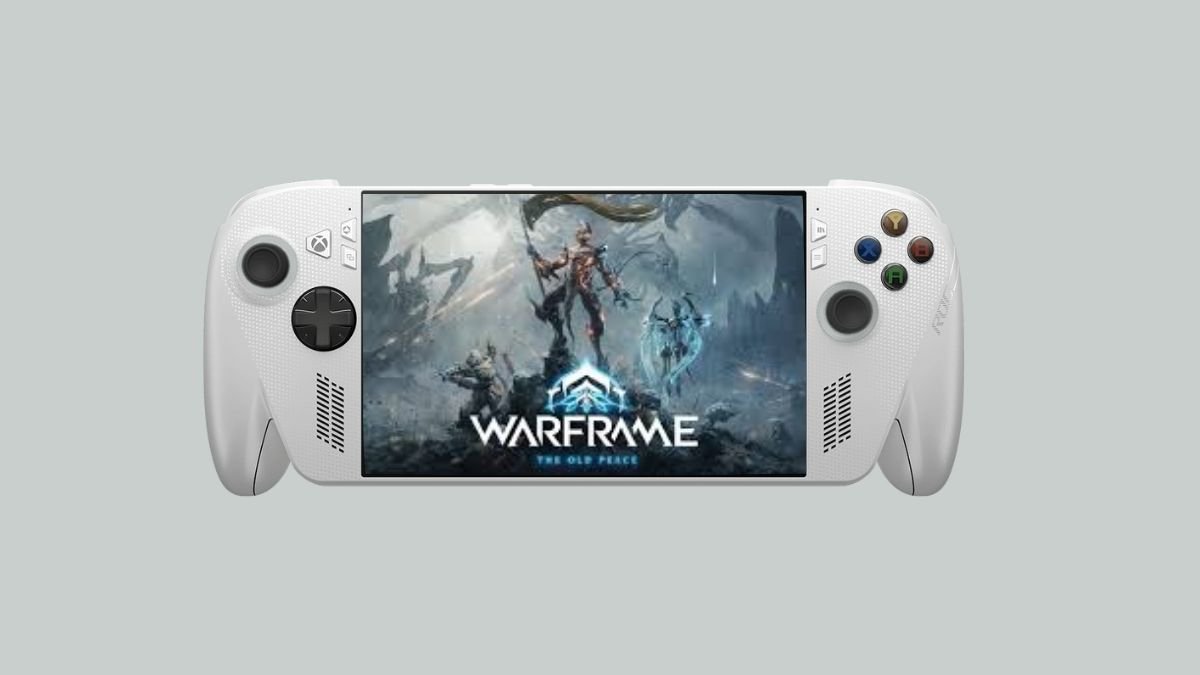
PS5 and Xbox Series X deliver 4K/1440p at 60 or 120 FPS with excellent loading times. PC scales infinitely with ray tracing and DLSS support. Switch compromises at 1080p handheld / 720p docked, 30 FPS. Cross-platform play enables squad cooperation across consoles and PC.
Warframe stands as one of gaming’s most remarkable underdog stories, transforming from a modest free-to-play launch in 2013 into a 12-year phenomenon with 80+ million registered players across all major platforms. This third-person action shooter combines sci-fi ninja aesthetics, frenetic parkour combat, and relentless loot-driven progression into an experience that rewards both casual participation and hardcore min-maxing. The game has evolved from its rocky start into a genre-defining looter-shooter that rivals paid $60 titles while asking nothing upfront. Digital Extremes continues pushing boundaries with narrative-driven expansions like Warframe: 1999 and The Old Peace, proving the studio remains committed to innovation rather than complacency. This review examines what makes Warframe tick, who should invest their time, and where its design philosophy creates friction for new and veteran players alike.
How to Play Warframe
Warframe revolves around piloting advanced bio-mechanical armor suits called Warframes, each with distinct abilities, through randomly generated or hand-crafted mission maps. You’ll chain together acrobatic movement, gunplay, and melee attacks across tilesets filled with procedural spawning enemies. The core loop involves completing missions for loot, crafting weapons and warframes from blueprints, and modding gear to increase power. Progression feels exponential: early players struggle against even basic enemies, but after a few dozen hours, you’ll obliterate entire squads with stylish parkour kills and explosive ability combinations. The game respects your time by allowing solo play, cooperative four-player squads, or a blend depending on mission type.
- Controls – Double-jump, wall-run, slide, and bullet-jump feel responsive on all platforms. Learning curve is moderate; most players grasp movement within the first mission and refine technique for months afterward.
- Progression – Clear progression gates exist: complete star chart planets to unlock new mission types, finish story quests like The Second Dream and The War Within for narrative payoff and ability unlocks.
- Combat/Mechanics – Three core loops: weapons (primary, secondary, melee), Warframe abilities (four unique powers per frame), and mods (attachments that multiply damage and add properties). Modding depth rivals traditional RPGs.
- Tips – Accept that the game won’t explain systems clearly; use the wiki or community guides. Focus on one warframe and weapon early. Don’t spend platinum (premium currency) on anything except warframe and weapon slots until you understand the economy.
Who Should Play Warframe
Warframe appeals to players seeking deep progression systems, cooperative multiplayer experiences, and endless customization without gameplay-altering paywalls. The free entry point erases financial risk. Dedicated engagement yields hundreds of hours of content. Cross-platform play means you can squad with friends regardless of their console or PC choice. The game penalizes neither casual nor hardcore playstyles, offering solo-friendly story missions and squad-dependent farming sessions simultaneously.
- Looter-Shooter Enthusiasts – If you love Destiny 2 or The Division 2 but want a more arcade-like, fast-paced alternative with zero upfront cost, Warframe delivers exactly that.
- Parkour and Movement Junkies – Wall-running, double-jumping, and air-dashing feel responsive and rewarding. Combat rewards mobility in ways that justify learning advanced movement tech.
- Grind-Tolerant Players – If you find satisfaction in optimizing builds and farming efficiently, Warframe’s economy and crafting systems provide months of engagement.
- Skip if – You demand excellent new-player onboarding, dislike any amount of grinding, or expect frequent meaningful PvE endgame content. Solo PvE enthusiasts should manage expectations around multiplayer-focused reward structures.
Warframe Platform Performance
Warframe performs admirably across all platforms thanks to optimization efforts in 2020-2021. Next-generation consoles deliver smooth 4K or dynamic resolution at 60 FPS with optional 120 FPS modes on PS5 and Xbox Series X. PC scales infinitely with hardware investment. Switch compromises resolution and framerate but remains fully playable. Loading times have improved dramatically with SSD implementations on current-gen hardware, though cross-save functionality remains pending on certain platforms as of early 2025.
| Platform | Resolution | FPS | Notes |
|---|---|---|---|
| PC (High Settings) | 4K/1440p | 60-144+ | Ray tracing supported; scales to high-end hardware |
| PlayStation 5 | 4K/1440p | 60/120 fps modes | DualSense haptics add weapon feedback; 120 fps mode available |
| Xbox Series X | 4K/1440p | 60/120 fps modes | Performance parity with PS5; Quick Resume supported |
| Nintendo Switch | 1080p handheld / 720p docked | 30 fps | Playable but compromised; expect frame drops in dense combat |
Warframe System Requirements
Warframe’s minimum specs are remarkably generous, designed to run on decade-old hardware. This accessibility explains its massive playerbase; anyone with a mid-range rig from 2010 onwards can jump in. Recommended specs allow high-end visuals and stable 60+ FPS. Storage footprint has grown to 50-60 GB due to 12 years of content accumulation, though initial install is smaller. Windows 7 64-bit remains supported, though Windows 10/11 is strongly recommended for stability and driver support.
| Component | Minimum | Recommended |
|---|---|---|
| OS | Windows 7 64-Bit | Windows 10/11 64-Bit |
| CPU | Intel Core 2 Duo E6400 / AMD Athlon x64 4000+ | Intel Core i3-3220 or equivalent modern dual-core |
| GPU | DirectX 10+ capable (Intel HD 3000+) | NVIDIA GeForce GTX 1050 / AMD equivalent |
| RAM | 4 GB | 8 GB |
| Storage | 10 GB initial | 60 GB SSD recommended for fast loading |
Similar Games to Warframe
Warframe occupies a unique niche blending parkour action with looter-shooter mechanics, but several alternatives scratch related itches. Destiny 2 offers tighter gunplay and seasonal storytelling; The Division 2 brings tactical cover-based combat to urban settings; Path of Exile 2 provides deeper character building for ARPG purists; Dauntless focuses cooperative monster hunting without the grind intensity. Each trades some of Warframe’s design philosophy for distinct strengths, making them complementary rather than direct replacements.
- Destiny 2 – Sci-fi FPS with weekly rituals, endgame raids, and tighter gunplay. Less movement-focused than Warframe; more storytelling emphasis.
- The Division 2 – Post-apocalyptic cover-shooter with dynamic loot and squad-based tactics. Grounded aesthetic contrasts Warframe’s space-ninja fantasy.
- Path of Exile 2 – Deep character customization and skill trees rival Warframe’s modding systems; action-RPG instead of shooter; heavy economy focus.
- Dauntless – Monster-hunting coop loop with progression similar to Warframe; lacks parkour and narrative depth but emphasizes teamwork.
Warframe vs Competitors
Warframe’s competitive advantages center on accessibility (free-to-play, no gameplay paywalls), customization depth (50+ warframes), and movement freedom (parkour-centric). Its primary weaknesses against competitors: new-player onboarding (Destiny 2 is clearer), endgame PvE content volume (The Division 2 offers more structured raids), and narrative cohesion (Path of Exile 2’s campaign feels more directed). Warframe’s model prioritizes player agency and long-term engagement over guided storytelling, appealing to different player psychology than seasonal battle-pass competitors.
| Feature | Warframe | Destiny 2 | The Division 2 |
|---|---|---|---|
| Price | Free-to-play | Free-to-play (base campaign paid historically) | $60 base ($99 with expansions) |
| Playtime (Campaign) | 20-50 hours | 15-30 hours | 30-40 hours |
| Multiplayer Required | No (all soloable) | No (campaign soloable; endgame requires squad) | No (campaign + PvE; separate PvP) |
| Modern Review Score | 87% Steam / 7.1 User | 78% Metacritic / 6.8 User | 82% Metacritic / 7.6 User |
Warframe Story and World
Warframe’s lore unfolds across 12 years of expansions, beginning with a cryptic revival of ancient Tenno warriors in a solar system dominated by warring factions. Early campaigns are forgettable, but story quests from 2015 onward (The Second Dream, The War Within, Sacrifice, New War) rank among gaming’s best narrative experiences, delivering genuine emotional moments and jaw-dropping twists. Recent arcs like Warframe: 1999 introduce surreal aesthetics and psychological horror. The Old Peace expansion (December 2024) expands mythology with new protoframes and roguelike mechanics. World-building never explains itself clearly—players piece together lore through codex entries, quest cinematics, and dev livestreams—but the depth rewards curiosity. The solar system feels lived-in and vast, despite reused tilesets.
Warframe Multiplayer and Online Features
Warframe’s multiplayer philosophy emphasizes optional cooperation rather than mandatory grouping. Most missions scale from one to four players, adjusting enemy count and loot distribution accordingly. Cross-platform play lets PlayStation, Xbox, and PC players squad together seamlessly. Conclave PvP modes support up to eight players in dedicated competitive playlists, though PvE dominates engagement. Nightwave seasonal content provides free cosmetic rewards for completing challenges. Void relic missions specifically reward squad play via shared loot tables, encouraging cooperation without punishing solo players. Trading between players enables the entire economy, allowing free-to-play progression without spending platinum.
- Void Fissure Missions (Relics) – Four players open void relics for Prime component drops; squad shares four loot choices, encouraging cooperation and negotiation.
- Defense and Survival Missions – Endless waves scale infinitely; squad coordination makes progression easier and faster than solo play.
- Conclave PvP – 8-player competitive modes (Annihilation, Cephalon Capture) with separate progression and cosmetics; small but dedicated playerbase.
- Cross-Play Status – PC, PlayStation, and Xbox all play together; Switch and iOS isolated due to platform limitations; cross-save coming 2025.
Warframe DLC and Expansions
Warframe’s unique monetization model eschews traditional DLC. Instead, the studio releases free story expansions and seasonal content simultaneously across all platforms. Prime Access bundles ($49.99-$139.99) offer early access to Prime Warframes (cosmetically enhanced versions with minor stat boosts) alongside cosmetics and platinum currency, but every item is eventually farmable without payment. Supporter Packs occasionally bundle cosmetics with platinum at discounted rates. Tennogen items (player-created cosmetics) require real money or platinum from trading, with revenue split between Digital Extremes and creators. The entire base game, all warframes, weapons, and strategic content remain 100% free, making Warframe’s DLC strategy aggressively anti-consumer-hostile compared to industry standards.
- Prime Access – Current tier: Gyre Prime bundle ($79.99 complete pack includes warframe, weapons, 90-day boosters, exclusive cosmetics).
- Supporter Packs – Rotating cosmetic bundles ($5-$50) with platinum bonuses; typically include limited-time skins and emotes.
- Seasonal Content – Free story expansions (e.g., Warframe: 1999, The Old Peace) release every 4-6 months for all players simultaneously.
- Free Updates – Constant balance patches, bug fixes, and quality-of-life improvements; roadmap shared publicly via livestreams.
Warframe Community and Support
Warframe’s community ranks among gaming’s most welcoming and helpful. The official subreddit r/Warframe hosts 200,000+ members who actively answer beginner questions and debate balance changes. Discord servers dedicated to specific niches (trading, build optimization, speedrunning) ensure specialized support exists. The wiki maintained by fans surpasses many commercial games’ official documentation. Digital Extremes engages directly through monthly developer livestreams (Devstreams), responding to feedback and showcasing upcoming content. TennoCon, an annual convention in London, Ontario, draws thousands of fans for reveals and community celebration. Mod support exists via Tennogen cosmetics and Steam Workshop integration, though gameplay-altering mods remain unsupported. The studio’s transparent communication and player-centric design decisions have earned genuine affection rather than mere tolerance from its playerbase.
- Official Channels – warframe.com forums, Twitter/X updates, YouTube livestream Devstreams every other Thursday.
- Community Platforms – Reddit r/Warframe (200k+), Discord (multiple official and fan communities), warframe.market for player trading.
- Mod and Cosmetic Support – Tennogen community cosmetics sold via in-game store; revenue split 70/30 with creators. Player-created cosmetics celebrated and promoted.
- Update Frequency – Major updates monthly; balance patches bi-weekly; new content (warframes, weapons, story) quarterly. Public roadmap available year-round.