
 38
38
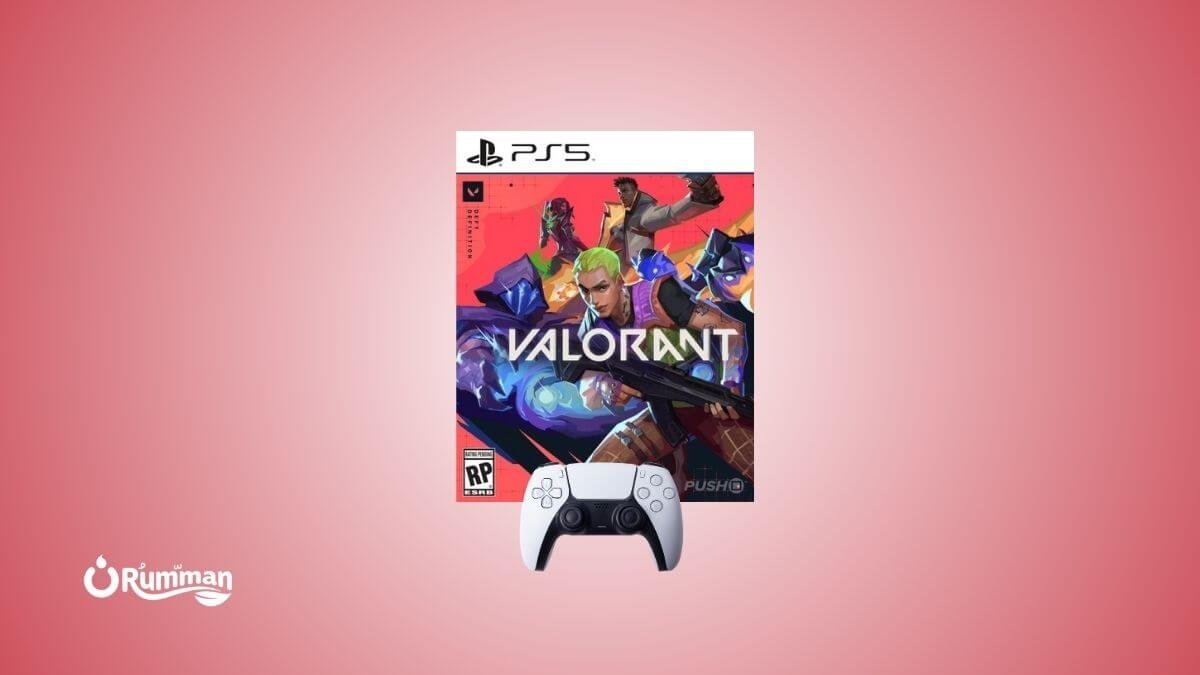
VALORANT – Tactical Hero Shooter with Precision Gunplay
A free-to-play tactical hero shooter blending Counter-Strike mechanics with character abilities. Critically acclaimed for tight gunplay and strategic depth.
Game Info
Verdict
Essential tactical shooter with flawless gunplay and strategic depth; minor narrative weakness doesn't diminish competitive excellence.
Pros
- Exceptional gunplay precision and spray pattern mastery
- Balanced agent roster with unique abilities avoiding power creep
- Free-to-play with cosmetics-only monetization, zero pay-to-win mechanics
- Thriving esports infrastructure with sustainable VCT competitive ecosystem
- Console ports deliver identical PC experience at 120fps
- Comprehensive practice tools and replay system for skill improvement
Cons
- Narrative and world-building entirely absent; minimalist approach alienates story players
- Vanguard kernel-level anti-cheat raises privacy concerns despite effectiveness
- Learning curve punishing for non-FPS players; mechanical skill required
- Console crossplay disabled between PC, limiting social matchmaking options
- Map pool limited to three-rotation system reducing variety
Performance Notes
PC supports 60+ FPS on 2008-era hardware; high-end setups achieve 240+ FPS at 1440p. PS5 and Xbox Series X/S locked at 120 FPS with 1440p resolution. Exceptional optimization enables esports-level competitive performance across all platforms.
VALORANT redefines the tactical shooter genre by fusing Counter-Strike’s precision-focused gameplay with character-based abilities that create new strategic dimensions. Since its 2020 debut, VALORANT has established itself as a competitive juggernaut with a thriving esports scene and a massive global player base. This review examines VALORANT’s core mechanics, competitive appeal, and what makes it an essential tactical shooter for both casual and hardcore players seeking skill-based entertainment.
How to Play VALORANT
VALORANT is a 5v5 first-person tactical shooter where two teams compete across 25 rounds. One team plants a bomb site (Spike) while the other defends, with strategic gunplay, ability economy, and site control forming the core gameplay loop.
- Controls – Mouse and keyboard (PC) or gamepad (PS5/Xbox Series X/S) with standard FPS controls. Console versions feature optional aim assist to level controller-to-mouse skill gaps.
- Progression – Players earn in-game currency through round performance to buy weapons, armor, and ability charges. Budget management directly impacts round strategy and team economics.
- Combat Mechanics – Each gun has unique spray patterns requiring practice. Agents provide class-based abilities that influence engagement angles, with role-specific responsibilities across Duelists, Initiators, Sentinels, and Controllers.
- Tips – Master crosshair placement and headshot positioning before engaging. Learn one agent thoroughly before rotating roles. Communication with teammates via voice chat is critical for site execution and enemy callouts.
Who Should Play VALORANT
VALORANT appeals to competitive shooters, esports aspirants, and tactical game enthusiasts. Its free-to-play model and skill-based design attract players willing to invest in mechanical improvement and team coordination. Avoid VALORANT if you prefer casual play without ranked pressure or dislike mandatory voice communication.
- Competitive Esports Players – VALORANT’s thriving VCT ecosystem, balanced agent pool, and anti-cheat infrastructure (Vanguard) make it the premier choice for aspiring professionals seeking tournament pathways and prize pools.
- Tactical Shooter Veterans – Counter-Strike refugees and Rainbow Six Siege players will recognize economy-based gunplay paired with ability depth, creating a familiar yet fresh competitive experience.
- Console Players – The 2024 console port (PS5/Xbox Series X/S) finally brings VALORANT to living room gamers with dedicated controller balancing and 120fps performance for competitive play.
- Skip if – You prioritize casual play without ranked anxiety, dislike Vanguard kernel-level anti-cheat, or seek story-driven single-player experiences. VALORANT is purely competitive multiplayer.
VALORANT Platform Performance
VALORANT runs exceptionally well across all platforms. PC demands minimal resources, while PS5 and Xbox Series X/S deliver 120fps competitive performance with graphical consistency matching the PC experience through optimized console variants.
| Platform | Resolution | FPS | Notes |
|---|---|---|---|
| PC (High-End) | 1440p/4K | 240+ | Supports ultra-high refresh for esports players; GPU dependent |
| PS5 | 1440p | 120 | Performance mode priority for competitive play |
| Xbox Series X/S | 1440p | 120 | Series S slightly lower resolution, Series X native 1440p |
| PC (Low-End) | 1080p | 60+ | Runs on Intel Core 2 Duo era machines with integrated graphics |
VALORANT System Requirements
VALORANT is remarkably lightweight. Minimum specifications support machines from 2008 onward, making it one of gaming’s most accessible competitive shooters. Recommended specs target 1080p/60fps stability for casual ranked play.
| Component | Minimum | Recommended |
|---|---|---|
| OS | Windows 10 64-bit | Windows 10 64-bit or later |
| CPU | Intel Core 2 Duo E8400 | Intel Core i3-4150 |
| GPU | Intel HD 4000 or Radeon R5 230 | NVIDIA GeForce GT 730 or Radeon R7 240 |
| RAM | 4GB | 8GB |
| Storage | 30GB HDD | SSD Recommended |
Similar Games to VALORANT
VALORANT occupies a unique niche, but these titles offer related tactical or ability-based competitive experiences. Counter-Strike 2 provides pure gunplay without abilities, while Overwatch emphasizes teamwork with hero mechanics at faster paces.
- Counter-Strike 2 – Pure tactical gunplay with economy systems; lacks character abilities and current-generation graphics polish that VALORANT provides.
- Overwatch 2 – Hero-based team shooter with ability focus, but faster-paced and less dependent on precise gunplay economics that define VALORANT.
- Rainbow Six Siege – Operator-based tactical shooter with destructible environments; slower round pace and less emphasis on gunplay accuracy compared to VALORANT’s mechanical skill curve.
- Apex Legends – Battle royale with character abilities; shares hero roster design but fundamentally different match structure and gunplay priority compared to VALORANT’s economy-based rounds.
VALORANT vs Competitors
VALORANT dominates the competitive tactical shooter space through superior gunplay precision, balanced agent design, and commitment to anti-cheat integrity. Its free-to-play model, cosmetic-only monetization, and esports infrastructure position it above rivals in competitive legitimacy and accessibility.
| Feature | VALORANT | Counter-Strike 2 | Overwatch 2 |
|---|---|---|---|
| Price | Free-to-Play | Free-to-Play | Free-to-Play |
| Playtime | 20-30 mins/round | 30-40 mins/round | 20-25 mins/round |
| Multiplayer | Yes (5v5) | Yes (5v5) | Yes (5v5) |
| Metacritic | 74 (Critics) | 84 (Critics) | 68 (Critics) |
VALORANT Story and World
VALORANT exists in a minimalist narrative universe centered on a military organization deployed to combat an alien threat (Radianite) destabilizing the world. The game prioritizes gameplay over worldbuilding, with agents receiving personality through ability design rather than cinematic storytelling. The tone remains grounded and serious, contrasting with some hero shooter competitors’ cartoon aesthetics. Character backstories emerge through in-game cosmetics, agent releases, and occasional cinematics, but VALORANT deliberately avoids narrative requirements for understanding competitive matches. Players seeking deep lore should look elsewhere; VALORANT’s world serves gameplay first.
VALORANT Multiplayer and Online Features
VALORANT operates as a pure multiplayer competitive experience with no offline content. All progression, cosmetics, and gameplay revolve around online matchmaking. Cross-progression between PC and console allows shared cosmetics, though crossplay between PC and consoles remains disabled for competitive balance.
- Competitive Ranked – Five-stack structured ranked mode spanning 25 rounds across three map rotations; matchmaking prioritizes skill-based pairings with a detailed ranking system (Iron to Radiant).
- Unrated Casual – Non-competitive 5v5 matches without rank impact, ideal for learning agents and practicing strategies without ranked anxiety.
- Spike Rush – Fast-paced 7-round mode with economy changes, pre-loaded abilities, and map objectives outside standard rounds; designed for quicker play sessions.
- Cross-Play – Console-to-console crossplay enabled between PS5 and Xbox Series X/S; PC players compete separately to preserve controller-versus-keyboard balance integrity.
VALORANT DLC and Expansions
VALORANT follows a cosmetics-first monetization model with optional battle passes and weapon skin collections. No gameplay-affecting paid content exists. Free seasonal agent additions expand the roster every 2-3 months without paywalls, maintaining competitive balance across payment tiers.
- Battle Pass – 1,000 Valorant Points (~$10) per act for cosmetic rewards; includes weapon skins, player cards, and sprays progressed through gameplay without time pressure.
- Weapon Skin Bundles – Collections range from 2,930 VP (~$34) to 9,900 VP (~$119) per bundle; individual skins cost 875–2,475 VP (~$10–$30) depending on tier and animations.
- Agent Releases – New agents deploy free for all players every act; zero paywall prevents competitive advantage fragmentation seen in other hero games.
- Free Updates – Map rotations, balance patches, and seasonal changes release regularly; cosmetic-exclusive monetization ensures all players access identical gameplay experience regardless of spending.
VALORANT Community and Support
VALORANT maintains one of gaming’s most engaged competitive communities through professional esports, creator partnerships, and transparent developer communication. Toxicity remains an ongoing challenge common to ranked shooters, but Riot’s behavioral systems and reporting infrastructure address disruptive play systematically.
- Official Forums – Riot Games hosts player feedback channels on valorantcommunity.com with direct developer engagement on balance topics and feature requests.
- Reddit/Discord – r/VALORANT (300k+ members) and affiliated Discord servers provide coaching, tournament organization, and agent-specific strategy discussion across all skill levels.
- Mod Support – No official Steam Workshop support; community relies on custom workshop maps and third-party tools like Aim Lab and Valorant Range for practice outside competitive matches.
- Updates – Two-week patch cycles address balance, bug fixes, and anti-cheat improvements; five-year roadmap commits to long-term content parity across PC and console versions through 2030.