
 27
27
Tribes of Midgard – Co-op Viking Survival Roguelite Review
Tribes of Midgard mixes co-op survival, action RPG, and roguelite structure into a fast Norse grind that settles at a solid 7.5/10.
Game Info
Verdict
A fast, co-op-first Viking survival roguelite that shines with friends but feels repetitive and unforgiving when played solo.
Pros
- Addictive co-op loop that rewards coordination and clear role splitting
- Strong blend of survival, ARPG combat, and base defense mechanics
- Seasonal sagas and free updates significantly expanded content since launch
- Low system requirements make high frame rates easy to reach on PC
- Satisfying class and rune combinations encourage experimentation across runs
- Short, time-boxed sessions fit well into busy schedules
- Distinctive Norse art direction and energetic soundtrack
Cons
- Repetition sets in quickly if you chase the same Saga objectives every night
- Solo balance lags behind co-op, especially in higher difficulty settings
- Learning curve and time pressure can feel punishing for casual players
- Always-online requirement limits true offline play flexibility
- Long-term meta progression is lighter than many rival survival games
Performance Notes
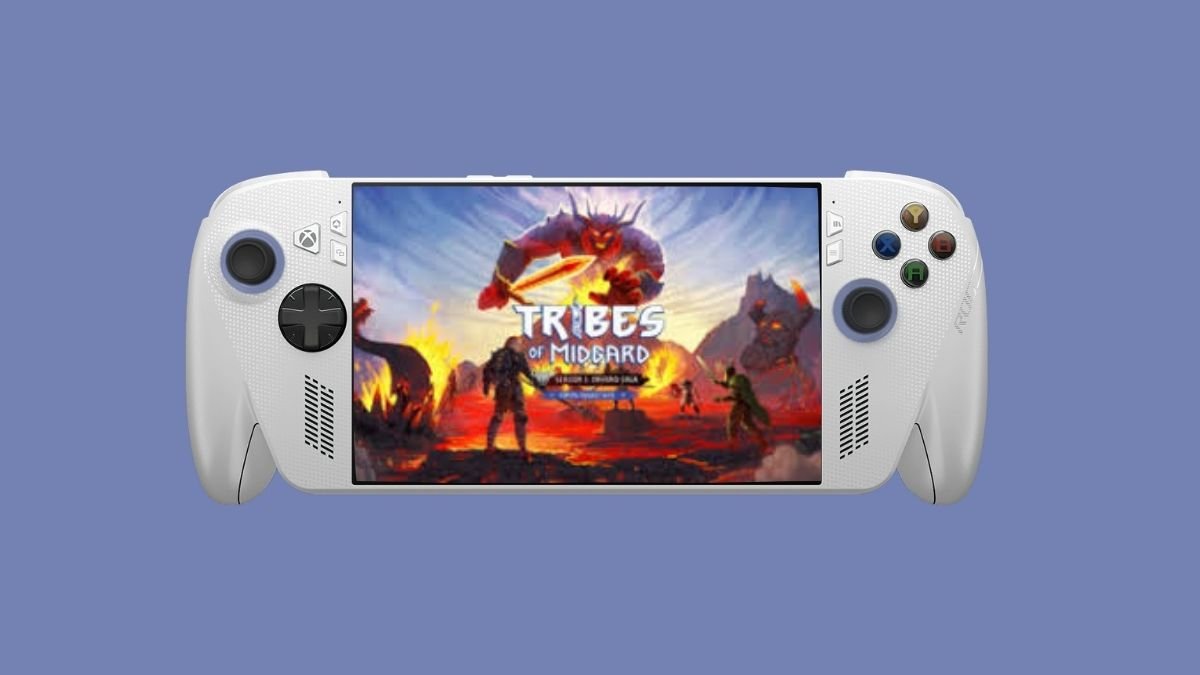
Tribes of Midgard runs smoothly on mid-range PCs and current consoles, with 60 FPS easily achievable at 1080p and even 1440p. Switch targets 30 FPS with pared-back visuals but remains stable during village sieges and boss fights in both Saga and Survival modes.
Tribes of Midgard carves out a distinctive niche in the co-op survival space by fusing action RPG combat, base defense, and roguelite progression into short, high-pressure runs. Critics praise its frantic multiplayer and generous updates, while calling out repetition and solo balance. This review breaks down how it plays in 2026, platform performance, requirements, and whether it still earns your time.
How to Play Tribes of Midgard
Runs revolve around defending the Seed of Yggdrasil while pushing into the wilderness for resources, crafting, and boss hunts. Each world is procedurally generated, so every Saga or Survival session demands quick routing, smart upgrades, and tight coordination if you play with a full tribe.
- Controls – Twin-stick style movement and directional attacks with dodge rolls, class abilities, and runes layered on top; responsive but busy when the screen fills with enemies.
- Progression – Earn experience, unlock classes, runes, and cosmetics account-wide, then level your Viking within each run through quests, crafting, and village upgrades.
- Combat/Mechanics – Isometric hack-and-slash with elemental weaknesses, weapon archetypes, rune synergies, and a constant time pressure as days shorten and giants advance.
- Tips – Prioritize tools early, upgrade villagers quickly, never neglect walls and gates, and focus the first giant before night waves scale out of control.
Who Should Play Tribes of Midgard
Tribes of Midgard suits players who enjoy tight, time-boxed runs where resource routing and teamwork matter as much as mechanical skill. It rewards repetition and planning more than casual wandering or relaxed sandbox play.
- Player 1 – Co-op survival fans who love games like Don’t Starve Together but want more direct ARPG combat and shorter, objective-driven sessions.
- Player 2 – Diablo-style loot and build tinkerers who enjoy experimenting with classes, runes, and weapon combos across many iterative runs.
- Player 3 – Roguelite and Norse-mythology enthusiasts seeking structured challenges, escalating bosses, and seasonal objectives rather than pure open-ended survival.
- Skip if – You prefer slow-burn building, story-heavy campaigns, or largely solo experiences without strict time limits or reliance on online connectivity.
Tribes of Midgard Platform Performance
Performance is solid across modern systems thanks to stylized visuals and relatively light CPU demands. PC comfortably pushes high frame rates, while current consoles hold steady even during late-game hordes. Switch trades fidelity for portability yet still delivers stable village defenses and boss fights.
| Platform | Resolution | FPS | Notes |
|---|---|---|---|
| PC (High) | 1440p/4K | 60+ | Ultra settings hit high frame rates on mid-range GPUs; CPU demands remain moderate in 10-player sessions. |
| PS5 | 4K/1440p | 60 | Sharp image with quick loading; performance holds in busy village sieges and late Saga boss arenas. |
| Xbox Series X | 4K/1440p | 60 | Comparable to PS5, minor dips only when many effects trigger simultaneously in co-op. |
| Switch | 1080p/720p | 30 | Reduced foliage, textures, and effects yet maintains playability; handheld works well for short Survival sessions. |
Tribes of Midgard System Requirements
On PC, Tribes of Midgard runs well on older hardware. The game targets 1080p60 on GPUs that comfortably exceed its modest GeForce GTX 560 baseline, with RAM and storage needs low enough for most mid-2010s rigs or gaming laptops.
| Component | Minimum | Recommended |
|---|---|---|
| OS | Windows 7 64-bit | Windows 10 64-bit |
| CPU | Intel Core i5-2300 / AMD FX-6300 | Intel Core i5-2300 or better |
| GPU | Nvidia GeForce GTX 560 / AMD Radeon HD 7770 | GTX 780 Ti / GTX 970 / GTX 1070 or AMD R9 290 / RX 480 |
| RAM | 8 GB | 8 GB |
| Storage | 8 GB | SSD Recommended |
Similar Games to Tribes of Midgard
Tribes of Midgard overlaps with several survival and action RPG favorites yet emphasizes shorter runs and village defense. Think of it as a midpoint between chilled base-building sandboxes and pure roguelites built around perfecting one intense route.
- Don’t Starve Together – Comparable survival focus and harsh learning curve, but with slower pacing and heavier emphasis on long-term world persistence.
- V Rising – Shared survival ARPG DNA and Norse-adjacent gothic tone, yet far more open-ended and castle-building oriented.
- Hades – Similar run-based progression and combat clarity, though Hades is tighter, more narrative-driven, and purely single-player.
- Valheim – Shares Vikings, crafting, and exploration, but favors relaxed progression and sprawling worlds over timed defense runs.
Tribes of Midgard vs Competitors
Against other co-op survival action games, Tribes of Midgard positions itself as the most sprint-like option: cheaper than many peers and built for focused evenings rather than month-long worlds, albeit with shallower long-term progression.
| Feature | Tribes of Midgard | Don’t Starve Together | V Rising |
|---|---|---|---|
| Price | $19.99 | $14.99 | $34.99 |
| Playtime | 10–25 hours per world | Dozens of hours per save | 40–100+ hours per server |
| Multiplayer | Co-op up to 10 | Co-op up to 6+ | Online PvE/PvP |
| Metacritic | 73 | 83 | 85 |
Tribes of Midgard Story and World
The story frames you as an Einherjar sent from Valhalla to hold back Ragnarök, but narrative largely exists as flavor for the run structure. Short cutscenes, NPC dialogue, and seasonal quests sketch a light, myth-inspired backdrop that supports, rather than drives, the frantic push to protect Yggdrasil.
Tribes of Midgard Graphics and Audio
Stylized low-poly art and bright color palettes keep Midgard readable even when ten players and multiple giants fill the screen. Effects are punchy without being cluttered, and the soundtrack leans on driving percussion and Nordic motifs that subtly ramp tension as nights lengthen and winter closes in.
Tribes of Midgard Multiplayer and Online
The game is clearly tuned for co-op, with village roles, rune synergies, and time-sensitive objectives all assuming at least a few active players. Public lobbies can be chaotic, while premade tribes can coordinate routes, crafting, and boss timing for dramatically smoother runs.
- Saga Mode – 1–10 players race to defeat Ancients before Fimbulwinter, ideal for structured runs with clear win conditions.
- Survival Mode – Long-form progression with configurable difficulty, emphasizing base building and gradually unlocking bosses.
- Seasonal Events – Limited-time challenges and cosmetics offer rotating goals that reward veterans who return each update.
- Cross-Play – Supported across PC and consoles in most regions, though party stability depends on host bandwidth.
Tribes of Midgard DLC and Expansions
Instead of traditional paid expansions, Tribes of Midgard has grown through free seasonal sagas and large feature updates, culminating in the Valhalla Saga that ties together its campaign arc and adds bosses, gear, and mounts.
- Season 3: Inferno Saga – Expanded Survival mode, fiery biome content, and new Ancient encounters at no extra cost.
- Valhalla Saga Update – Story epilogue, new variants, mounts, and quality-of-life changes for both Saga and Survival.
- Season Pass – Cosmetic-only reward tracks with Rune and skin unlocks; gameplay content remains accessible without purchase.
- Free Updates – Frequent balance passes, new runes, and event cosmetics keep returning runs feeling slightly refreshed.
| Content Type | Cost | Impact |
|---|---|---|
| Saga Seasons | Free | Add bosses, quests, runes, and systems that reshape optimal run strategies. |
| Cosmetic Packs | Paid | Skins and pets only, no direct gameplay advantage. |
| Event Rewards | Free | Time-limited cosmetics earned through in-game challenges. |
Tribes of Midgard Community and Support
Even years after launch, Tribes of Midgard retains a modest but active community anchored by seasonal updates and challenge runs. Official channels communicate patch notes and events, while player-made guides cover efficient early-game routes, late-game builds, and solo-focused strategies.
- Official Forums – Patch notes, developer posts, and bug-report channels outline ongoing balance and quality-of-life work.
- Reddit/Discord – Community hubs for LFG, class tier talk, efficient routes, and challenge seeds tailored to different skill levels.
- Mod Support – No native Steam Workshop integration; most players stick to the vanilla experience across platforms.
- Updates – Major seasonal patches have slowed but still arrive with meaningful tweaks and occasional new content beats.