
 30
30
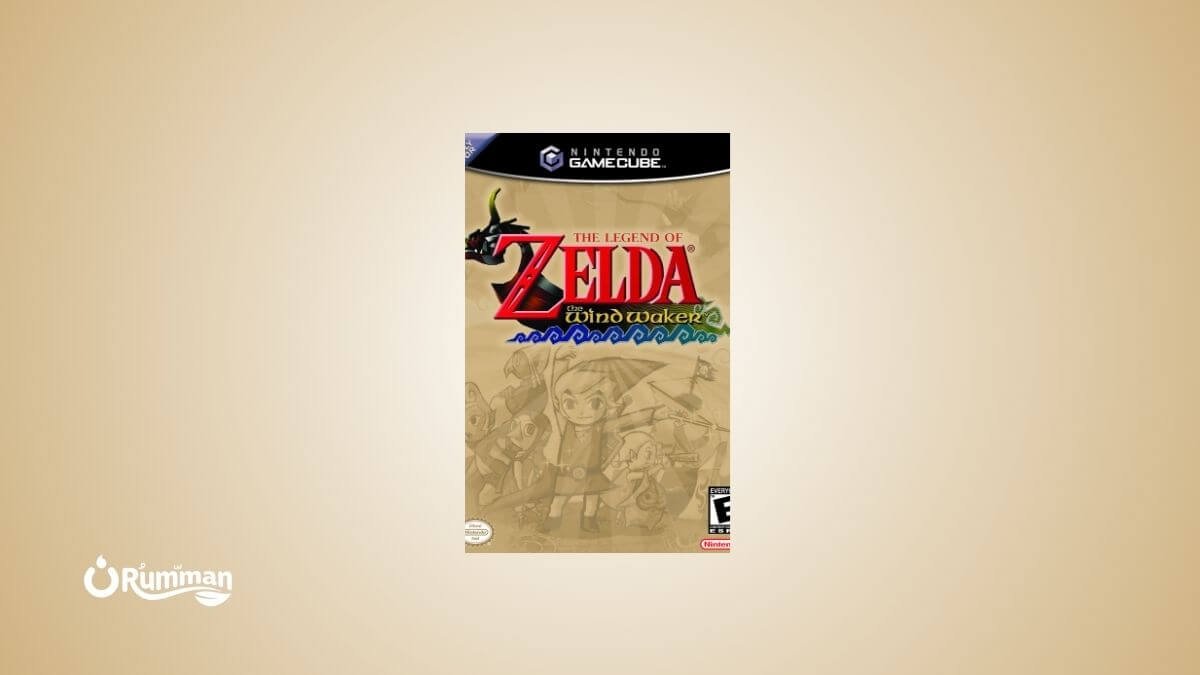
The Legend of Zelda: The Wind Waker – A Masterpiece at Sea
A cel-shaded adventure where Link sails the Great Sea in one of gaming's most beloved epics. Metacritic 96/100.
Game Info
Verdict
A masterpiece that redefined what video game art direction could achieve; cel-shading transcends technical limitation to become timeless expression.
Pros
- Iconic cel-shaded art direction that ages better than contemporary photorealistic titles
- Refined combat system with item-based depth exceeding Ocarina of Time
- Dungeons rank among the series' finest with intricate, clever puzzle design
- Emotional, philosophically rich narrative exploring legacy and hope
- The King of Red Lions and Tetra provide genuine character development
- World design encourages thorough exploration with rewarding secrets
- Wind Waker HD version eliminates tedium while maintaining original vision
- Now accessible via Nintendo Switch 2 for modern audiences
Cons
- Sailing in the second half becomes repetitive during the Triforce shard collection (though justified narratively)
- Wind direction changes require frequent Wind Waker baton input, occasionally interrupting flow
- Combat difficulty is moderate; veterans may find few genuine challenges after collecting heart upgrades
- No voice acting leaves some character moments reliant on text and animation
- GameCube original's 480p resolution shows age despite brilliant art direction
Performance Notes
GameCube original renders at 480p/30fps with cel-shading that remains timeless. Wii U HD (2013) upscales to 1080p with enhanced lighting and the Swift Sail addition. Nintendo Switch 2 (2025) offers the original GameCube version at native resolution via Nintendo Classics subscription, maintaining historical authenticity while enabling portable play.
The Legend of Zelda: The Wind Waker stands as a defining moment in action-adventure gaming, offering a departure from traditional fantasy while maintaining the series’ core identity. Upon its 2003 release, the game redefined what cel-shaded graphics could achieve in interactive media, pairing stunning visuals with refined 3D gameplay that expanded upon Ocarina of Time’s foundation. This review explores why Wind Waker, once divisive for its cartoon aesthetics, has become widely recognized as one of the greatest video games ever made, examining its innovative sailing mechanics, intricate dungeon design, and the emotional depth that underscores its adventure across the flooded Hyrule.
How to Play The Legend of Zelda: The Wind Waker
The Wind Waker preserves the third-person action-adventure formula but introduces the Great Sea as your playground. You control Link from behind as he explores islands, solves intricate puzzles, and battles enemies using swords, shields, and dynamic item combinations. The targeting system locks onto enemies, allowing tactical positioning and counterattacks that reward player skill.
- Controls – Intuitive GameCube controller mapping lets you move fluidly, attack with the sword, and switch items on the fly. The learning curve is gentle; the game teaches mechanics gradually through exploration and gentle guidance from characters and environmental cues.
- Progression – Advance by obtaining three Pearls of the Goddesses, exploring dungeons to gain new abilities, and awakening sages who restore the Master Sword’s power. The main quest requires roughly 25-30 hours; completionists can push toward 50 hours with all sidequests and collectibles.
- Combat/Mechanics – Combat evolves as you acquire dungeon items that serve dual purposes in both puzzle-solving and combat. The grappling hook, boomerang, and other tools aren’t cosmetic; they fundamentally alter how you approach encounters. Sailing between islands propels exploration, with wind direction affecting speed and route planning.
- Tips – Use the Wind Waker baton to conduct melodies that change wind direction, warp between islands, and toggle day/night cycles. Explore every island corner for heart pieces and treasures. Talk to NPCs repeatedly; they offer hints, sidequests, and character development that enrich the narrative.
Who Should Play The Legend of Zelda: The Wind Waker
Wind Waker appeals to adventure enthusiasts seeking meaningful exploration, puzzle-solvers drawn to intricate dungeon design, and players who value character-driven storytelling alongside gameplay. The cel-shaded art style holds up remarkably well today, making it accessible to modern audiences. The difficulty is moderate, scaling from forgiving early game to genuine challenges by the endgame.
- Zelda Series Fans – If you loved Ocarina of Time’s core gameplay loop or appreciated Majora’s Mask’s character focus, Wind Waker merges both strengths into a refined package that expands upon proven mechanics.
- Adventure Seekers – The open ocean and 49 explorable grid squares create a sense of freedom and discovery. Every island holds secrets, treasures, and stories that reward curiosity and thorough exploration.
- Narrative Enthusiasts – The game’s story is mature and touching, featuring philosophical themes about the passage of time, legacy, and finding hope. Ganondorf’s portrayal here ranks among the series’ finest antagonists.
- Skip if – Avoid if you demand exclusively modern graphics or have no patience for sailing sequences. The game’s second half emphasizes ocean traversal for the Triforce quest; while justified narratively, it can feel like filler to action-focused players seeking constant combat.
The Legend of Zelda: The Wind Waker Platform Performance
Wind Waker’s original GameCube release renders at 480p native resolution, locked at 30 frames per second. The Wii U HD remaster bumps this to 1080p with enhanced lighting and smoother performance. The Nintendo Switch 2 port (2025) offers the original GameCube version via Nintendo Classics, maintaining historical accuracy while showcasing the art direction’s timeless appeal.
| Platform | Resolution | FPS | Notes |
|---|---|---|---|
| Nintendo GameCube (Original) | 480p | 30 | The definitive 2003 experience; cel-shading holds up beautifully |
| Wii U HD (2013) | 1080p | 30 | Enhanced lighting, Swift Sail, streamlined Triforce quest, gamepad inventory management |
| Nintendo Switch 2 (2025) | Variable | 30 | GameCube version on Nintendo Classics subscription; handheld/docked flexibility |
| PC Emulation (Cemu) | Up to 4K | 60+ | Requires legal ROM; runs smoothly with RTX 2060 or equivalent; community mods enhance visuals |
The Legend of Zelda: The Wind Waker System Requirements
Wind Waker requires no PC hardware for official versions, as Nintendo never released a standard PC port. Emulation via Cemu demands modern hardware to maintain stable 30 fps at native resolution. For HD upscaling and texture enhancements, stronger GPUs prove beneficial but aren’t mandatory.
| Component | Minimum (Cemu) | Recommended (Cemu 4K Upscale) |
|---|---|---|
| OS | Windows 10 64-bit | Windows 11 64-bit |
| CPU | Intel Core i5-7600K / AMD Ryzen 5 1600 | Intel Core i7-10700K / AMD Ryzen 5 5600X |
| GPU | NVIDIA GTX 1060 / AMD RX 480 | NVIDIA RTX 2060 / AMD RX 5700 XT |
| RAM | 8 GB DDR4 | 16 GB DDR4 3200+ |
| Storage | 10 GB SSD Space | 15 GB NVMe SSD Recommended |
Similar Games to The Legend of Zelda: The Wind Waker
Wind Waker’s blend of exploration, puzzle-solving, and adventure action influences numerous titles across genres. Games listed below share either the adventure structure, cel-shaded aesthetics, or the sailing/nautical focus that makes Wind Waker unique within its franchise.
- Ocarina of Time – The spiritual predecessor that established Wind Waker’s core gameplay loop; lacks the ocean exploration but matches puzzle depth and dungeon design excellence.
- Twilight Princess – The realistic-styled successor that Nintendo developed after Wind Waker’s mixed sales; shares the same engine and combat refinement but trades maritime exploration for wolf transformation mechanics.
- Journey – Not directly similar mechanically, but shares Wind Waker’s artistic philosophy that cel-shading and stylized visuals age better than photorealism; both prioritize artistic vision over technical spectacle.
- Phantom Hourglass and Spirit Tracks – Direct spiritual successors for Nintendo DS, continuing Wind Waker’s story and Toon Link character with touch-screen mechanics replacing traditional controls.
The Legend of Zelda: The Wind Waker vs Competitors
Wind Waker dominates its era for pure adventure game design, though contemporary titles offered different experiences. Its Metacritic 96/100 places it among the highest-rated games ever released. The comparison below illustrates how Wind Waker’s value proposition—artistic direction, puzzle design, and narrative depth—outpaced competitors despite lower sales numbers.
| Feature | Wind Waker | Ocarina of Time | Twilight Princess |
|---|---|---|---|
| Price | $49.99 (2003) | $59.99 (1998) | $49.99 (2006) |
| Playtime (Main Story) | 25-30 hours | 25-35 hours | 40-50 hours |
| Playtime (100% Complete) | 50+ hours | 70+ hours | 75+ hours |
| Online Multiplayer | No | No | No |
| Metacritic Score | 96/100 | 99/100 | 95/100 |
The Legend of Zelda: The Wind Waker Story and World
Wind Waker’s narrative unfolds across a drowned Hyrule, centuries after the events of Ocarina of Time. Link, a young boy from Outset Island, rescues pirate captain Tetra when she falls from the sky. This act of heroism spirals into a quest to recover his kidnapped sister and uncover why a mysterious bird serves a dark figure seeking the Triforce. The King of Red Lions, a sentient sailboat, becomes Link’s guide and confidant, gradually revealing the heartbreaking truth: the world above was submerged intentionally by goddesses to trap Ganon. The tone blends whimsy with genuine melancholy; characters are expressive and endearing, yet the story carries weight and consequence. Tetra’s transformation into Princess Zelda, the revelation that Hyrule lies beneath the waves, and the bittersweet ending where Link and Tetra sail toward an unknown future elevate the narrative beyond typical adventure fare into something more philosophically substantial.
The Legend of Zelda: The Wind Waker Multiplayer and Online
Wind Waker is a single-player adventure without online or competitive multiplayer components. A unique feature existed: connectivity with Game Boy Advance allowed a second player to control Tingle using the handheld, offering mild cooperative moments during navigation. This feature doesn’t exist in the Wii U HD version, which replaced it with Miiverse integration for sharing screenshots and hints (now defunct following Miiverse’s 2017 shutdown).
- Single-Player Campaign – The entire adventure is designed for solo play; no co-op or competitive modes exist, maintaining focus on narrative and exploration pacing.
- Game Boy Advance Connectivity (GameCube Only) – A novelty feature allowing GBA owners to assist Link via the Tingle Tuner; rarely essential and absent from other versions.
- Community Features (Wii U) – Miiverse integration let players post screenshots and hints; this service shut down in 2017, removing these social features permanently.
- Cross-Play – Not applicable; no online functionality across any version.
The Legend of Zelda: The Wind Waker DLC and Expansions
Wind Waker received no downloadable content or post-launch expansions. The Wii U HD version included quality-of-life improvements as part of the remaster—the Swift Sail, streamlined Triforce quest, shortened animations—rather than paid DLC. The game is complete at purchase; no battle passes, seasonal content, or fragmentary monetization exists. This contrasts sharply with modern Nintendo releases, positioning Wind Waker as a self-contained artistic statement rather than a live-service product.
- No DLC Packs – No additional dungeons, characters, or story content released post-launch for any version.
- Wii U Improvements – The HD remaster bundled significant quality-of-life enhancements (Swift Sail, reduced sailing tedium) as part of the base game, not DLC.
- Free Updates – Occasional patches addressed bugs; no substantial new content rolled out post-release.
- Season Pass – None offered; the game is complete and self-contained.
The Legend of Zelda: The Wind Waker Community and Support
Wind Waker maintains an active, passionate community 20+ years after release, driven by dedicated fan sites, speedrunning communities, and emulation enthusiasts. The Nintendo Switch Online re-release (June 2025) has reignited interest, particularly among players rediscovering the game. Community-created mods, high-resolution texture packs (for emulation), and comprehensive wikis provide ongoing support. Nintendo continues to acknowledge Wind Waker’s legacy through official merchandise and retrospective media.
- Official Support – Nintendo provides no active support, but the game is stable and complete; no game-breaking bugs remain after 20+ years.
- Fan Communities – Reddit’s r/windwaker, dedicated Zelda forums, and Discord servers host thousands of active players sharing speedruns, artwork, and guides.
- Emulation Support – Cemu (Wii U emulator) and Dolphin (GameCube) run the game flawlessly with community enhancements including texture upscaling, widescreen support, and 60 fps patches.
- Modding & Hacking – Minimal ROM hacking exists; the game’s architecture discourages major modifications, but quality-of-life mods improve emulated experiences.