
 21
21
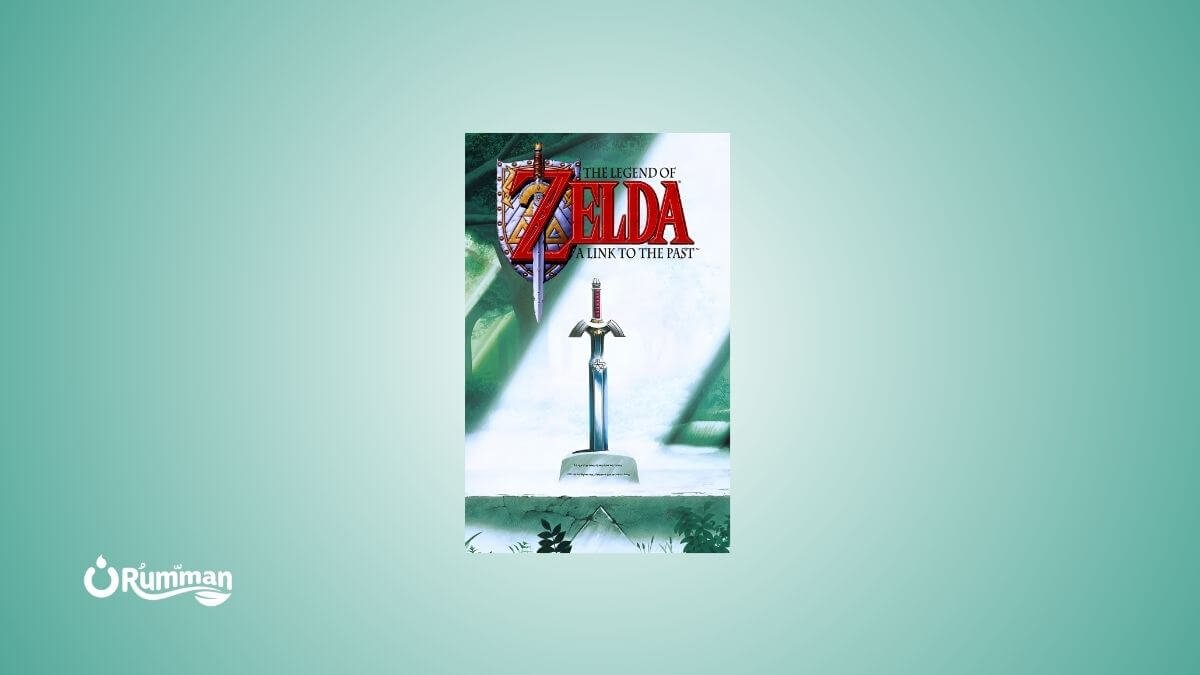
The Legend of Zelda: A Link to the Past – SNES Classic Adventure
The 1992 SNES masterpiece that defined action-adventure gaming with dual-world exploration and timeless gameplay, earning a 93 Metacritic score.
Game Info
Verdict
An immortal masterpiece that perfected action-adventure formula with flawless pacing, dual-world innovation, and design elegance that remains unmatched decades later.
Pros
- Brilliant dual-world mechanic creating interconnected puzzle-solving across dimensions
- Perfectly balanced difficulty curve rewarding exploration without excessive grinding
- Timeless sprite artwork and animation that aged gracefully compared to early 3D games
- Memorable soundtrack featuring iconic overworld theme and atmospheric dungeon music
- Tight, responsive controls with satisfying sword combat and item mechanics
- Extensive hidden content including heart pieces and secret caves rewarding thoroughness
- Influential design establishing conventions still used in modern action-adventure games
- Excellent pacing delivering consistent upgrades and new areas without padding
Cons
- Dungeons share similar visual theming in Light and Dark World reducing atmospheric variety
- Limited narrative depth with minimal character development beyond core plot beats
- Some backtracking required between Light and Dark World can feel repetitive
- No built-in multiplayer on original SNES version restricts social gaming potential
- Difficulty may feel too easy for experienced players compared to NES predecessors
Performance Notes
Original SNES hardware delivers locked 60 FPS at 256x224 resolution with zero slowdown. GBA port compromises screen resolution but adds portability and Four Swords multiplayer. Modern emulation and Switch Online enable upscaled visuals with save states and rewind features while preserving authentic gameplay.
The Legend of Zelda: A Link to the Past revolutionized action-adventure gaming when it launched on the Super Nintendo in 1992, establishing the template that countless games would follow for decades. This third entry in the Zelda series introduced the dual-world mechanic, featuring both Light World Hyrule and the twisted Dark World, while delivering refined combat, complex dungeons, and an epic quest that set the gold standard for 16-bit adventures. With its 93 Metacritic score and status as one of gaming’s most influential titles, this review explores every aspect of what makes A Link to the Past an enduring masterpiece that remains essential gaming history.
How to Play The Legend of Zelda: A Link to the Past
A Link to the Past features top-down action-adventure gameplay where players control Link through an interconnected overworld and multi-floor dungeons. The game balances combat, puzzle-solving, and exploration seamlessly.
- Controls – D-pad movement, A button for sword attacks, B for secondary items, excellent SNES controller responsiveness with minimal learning curve
- Progression – Explore dungeons in a mostly linear fashion, collect heart pieces and items, unlock new areas with acquired abilities like the Hookshot and Flute
- Combat/Mechanics – Real-time sword combat with charged spin attacks, shield blocking, item-based tactics against enemies and bosses requiring pattern recognition
- Tips – Check every nook for hidden caves and heart pieces, talk to NPCs for hints, experiment with items on different terrain types, use the Magic Mirror strategically between worlds
Who Should Play The Legend of Zelda: A Link to the Past
This classic appeals to a broad spectrum of players from retro enthusiasts to modern gamers discovering the series origins. Its balanced difficulty and pacing make it accessible while rewarding dedication.
- Retro Gaming Enthusiasts – Those who appreciate 16-bit era design philosophy, sprite-based graphics, and games that prioritized tight mechanics over hand-holding tutorials
- Action-Adventure Fans – Players who enjoy exploration-focused gameplay with combat, puzzles, and item progression that opens new areas organically
- Zelda Series Newcomers – An ideal entry point showcasing core Zelda DNA without the complexity of 3D entries or modern open-world systems
- Skip if – You require cutting-edge graphics, prefer linear story-driven experiences with minimal backtracking, or find 2D gameplay outdated compared to modern 3D adventures
The Legend of Zelda: A Link to the Past Platform Performance
As a native SNES title from 1992, A Link to the Past runs identically across all original hardware. Modern re-releases and emulation provide enhanced experiences with save states and visual filters.
| Platform | Resolution | FPS | Notes |
|---|---|---|---|
| SNES (Original) | 256×224 | 60 | Native hardware, no slowdown, authentic CRT experience |
| GBA (2002) | 240×160 | 60 | Includes Four Swords multiplayer, slightly compressed visuals |
| Wii Virtual Console | Upscaled | 60 | Emulated SNES version, save states, controller options |
| Switch Online | Upscaled 1080p | 60 | Rewind feature, online play, enhanced filters available |
The Legend of Zelda: A Link to the Past System Requirements
Original SNES hardware specifications defined by the 16-bit generation capabilities. For modern emulation, minimal PC requirements allow virtually any system to run the game flawlessly with accuracy-focused emulators.
| Component | Minimum | Recommended |
|---|---|---|
| OS | Windows 7 / macOS 10.12 | Windows 10 / macOS 12+ |
| CPU | Intel Pentium 4 / AMD Athlon 64 | Intel Core i3 / AMD Ryzen 3 |
| GPU | Integrated Graphics | Any modern GPU for filters |
| RAM | 512 MB | 2 GB |
| Storage | 1 MB ROM file | SSD for instant loading |
Similar Games to The Legend of Zelda: A Link to the Past
The SNES era produced several exceptional action-RPG titles that share A Link to the Past’s design philosophy, combining exploration with real-time combat and progression systems in imaginative fantasy settings.
- Secret of Mana – Real-time combat with magic system and equipment upgrades, features cooperative multiplayer and vibrant world design that complements Zelda’s solo focus
- Illusion of Gaia – Action-adventure with transformation abilities, tighter focus on combat and puzzle platforming, darker narrative tone exploring real-world mythologies
- Secret of Evermore – Similar to Secret of Mana but Western-developed, time-travel premise, companion AI system, and alchemical magic replacing traditional spells
- Soul Blazer – Town-building progression combined with dungeon crawling, god-simulation elements, part of Quintet’s spiritual trilogy with Illusion of Gaia
The Legend of Zelda: A Link to the Past vs Competitors
Comparing A Link to the Past against its contemporary SNES action-adventure rivals reveals why it earned universal acclaim. Its balanced design and polish set it apart from equally ambitious titles.
| Feature | A Link to the Past | Secret of Mana | Illusion of Gaia |
|---|---|---|---|
| Price | $35 (loose) | $40 (loose) | $30 (loose) |
| Playtime | 15-20 hours | 20-25 hours | 12-15 hours |
| Multiplayer | No (Yes on GBA) | Yes (3 players) | No |
| Metacritic | 93 | Not scored (1993) | Not scored (1994) |
The Legend of Zelda: A Link to the Past Story and World
The narrative follows Link as he awakens to discover his uncle venturing into a stormy night toward Hyrule Castle, where Princess Zelda calls telepathically for rescue. What begins as a castle infiltration expands into an epic quest when the wizard Agahnim opens a gateway to the Dark World, a corrupted reflection of Hyrule created when Ganon seized the Triforce. Link must collect three pendants to claim the Master Sword, rescue seven maidens from Dark World dungeons, and ultimately confront Ganon himself. The storytelling balances exposition with environmental narrative, allowing players to piece together Hyrule’s history through exploration. The dual-world mechanic brilliantly reinforces themes of corruption and redemption, with each Light World location having a twisted Dark World counterpart that reflects Ganon’s malevolent influence.
The Legend of Zelda: A Link to the Past Multiplayer and Online
The original 1992 SNES release features exclusively single-player gameplay with no multiplayer components. The game’s design focuses entirely on solo exploration and puzzle-solving across interconnected dungeons.
- Original SNES – Single-player only, designed for one player’s journey through Hyrule without cooperative or competitive modes
- GBA Four Swords (2002) – The GBA re-release bundled the original game with Four Swords, a separate 2-4 player cooperative dungeon crawler requiring multiple Game Boy Advance systems and link cables
- Fan Modifications – Unofficial emulator-based co-op mods allow two players to share inventory and progress online, requiring specific SNES emulator builds and networking setup
- Cross-Play – Not applicable for original release, GBA Four Swords only supports local link cable connections between GBA systems
The Legend of Zelda: A Link to the Past DLC and Expansions
As a 1992 cartridge-based SNES game, A Link to the Past predates the concept of downloadable content by over a decade. All content shipped complete on the original cartridge.
- Original Release – Complete game experience with no planned expansions, representing the full vision of Nintendo EAD’s development team
- GBA Enhanced Port (2002) – Re-release added Four Swords multiplayer mode as bonus content, plus Palace of the Four Sword bonus dungeon unlockable by completing Four Swords
- Virtual Console – Digital re-releases on Wii, Wii U, and Switch offer the original SNES version unchanged with quality-of-life features like save states
- Free Updates – Not applicable, though Virtual Console versions receive emulator improvements and bug fixes through system updates rather than game-specific patches
The Legend of Zelda: A Link to the Past Community and Support
Despite being over 30 years old, A Link to the Past maintains one of retro gaming’s most active communities through speedrunning, randomizer mods, and fan projects that extend the game’s longevity.
- Official Forums – Nintendo no longer maintains legacy forums, though Nintendo Switch Online app provides community features for subscribers playing through the service
- Reddit/Discord – Active communities at r/alttpr for randomizer discussion, dedicated Discord servers for speedrunning and vanilla gameplay with thousands of members worldwide
- Mod Support – Extensive ROM hacking scene producing randomizer variants (alttpr.com), combo randomizers mixing with Super Metroid (samus.link), custom dungeons, and difficulty mods
- Updates – No official updates since 1992, but randomizer community releases frequent updates, new modes like Door Randomizer and Boss Shuffle maintaining fresh challenge