
 35
35
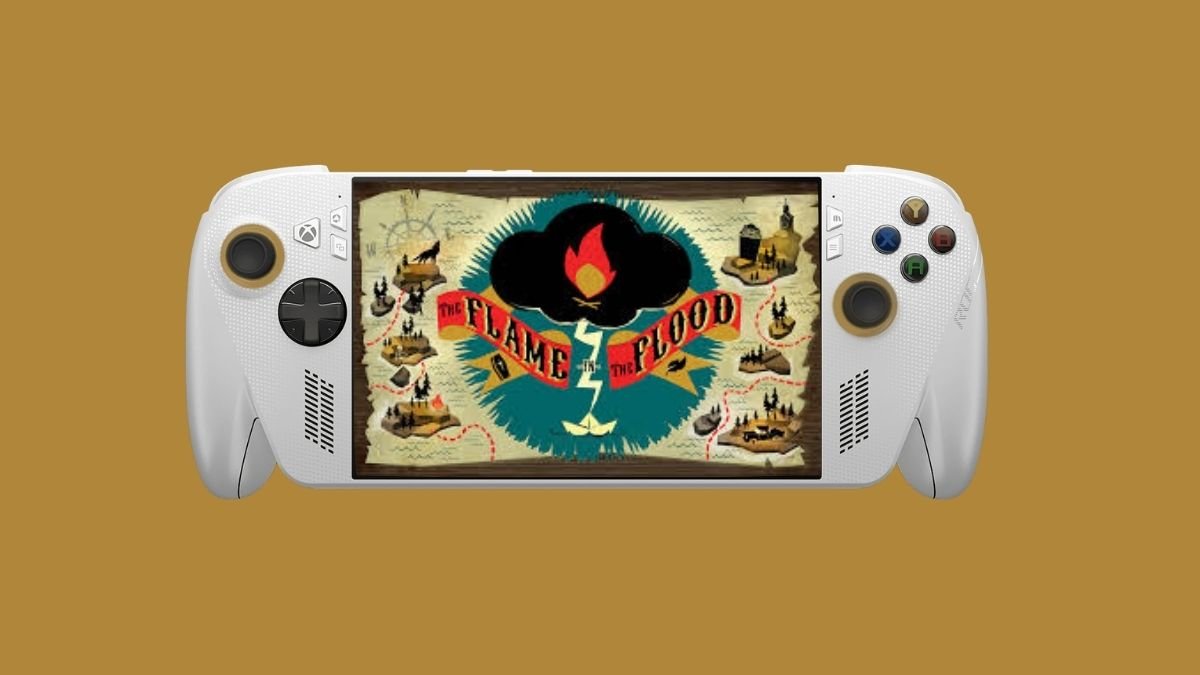
The Flame in the Flood – Atmospheric River Survival
A roguelike survival adventure set on a procedurally-generated river in post-apocalyptic America. With a Metacritic score of 75 and acclaimed art direction, Flame in the Flood delivers 8-13 hours of atmospheric storytelling.
Game Info
Verdict
An artistically accomplished survival adventure undermined by unintuitive controls and RNG-heavy difficulty, best experienced as a contemplative atmospheric journey rather than action-focused roguelike.
Pros
- Hand-drawn art direction rivals dedicated art games; visual beauty rivals BioShock legacy
- Unique raft-traversal mechanic creates momentum-based gameplay distinct from typical roguelikes
- Atmospheric soundtrack by Chuck Ragan (Hot Water Music) elevates emotional storytelling
- Procedurally-generated river journeys ensure replayability; no two runs identical
- Director's Commentary mode provides authorial insight into design philosophy and narrative intent
- Compact 8-13 hour story respects player time; no artificial padding
- Complete Edition bundles all improvements; no fragmented content packages
Cons
- Unintuitive raft controls frustrate players; drifting mechanics lack responsive feedback or tutorial explanation
- RNG-heavy difficulty sometimes feels unfair; resource placement luck outweighs player skill dramatically
- Early runs punishing: permadeath resets entire 2-3 hour journey for small mistakes or bad RNG spawns
- Single-player only isolates players; no co-op alleviates frustration or permits knowledge-sharing
- Inventory management menus freeze gameplay during storms; design feels arbitrary rather than deliberate
- Metacritic score (75) reflects solid art overshadowed by mechanical frustration in critical consensus
- Minimal post-launch support; bugs and balance issues never addressed after complete edition
Performance Notes
PC scales from 30-60+ FPS depending on graphics settings. PS4 maintains 30-60 FPS in performance/quality modes. Xbox One matches PS4 feature parity. Nintendo Switch achieves consistent 30 FPS at 720p (docked) and 540p (handheld). Unreal Engine 4 backend ensures smooth traversal across procedurally-generated rivers.
The Flame in the Flood channels survival roguelike mechanics into an intimate river-journey narrative. Developed by The Molasses Flood (a team of BioShock, Halo 2, and Rock Band veterans) and published by CD Projekt, this 2016 title reimagines survival by forcing perpetual motion downstream. Unlike typical roguelikes offering static arenas, Flame crafts dynamic encounters through procedurally-generated islands and raft-based traversal. A girl named Aesop and her loyal dog Scout navigate flooded America seeking refuge while managing hunger, cold, and disease. The game’s visual charm masks unforgiving mechanics where poor inventory management means death. This review examines whether artistic ambition justifies mechanical frustration.
How to Play The Flame in the Flood
The Flame in the Flood strips survival to its essentials: scavenge supplies at islands, craft tools and remedies, raft downstream before nightfall. Your inventory is your lifeline—8 slots force constant triage between medications, food, and materials. Daytime allows safe exploration on islands (5-7 minute windows). Nightfall brings predatory wildlife and forced raft movement (uncontrollable, momentum-based). Managing Aesop’s health, hypothermia, hunger, and injuries defines the gameplay loop. Scout, your dog companion, highlights nearby items and defends against minor threats.
- Controls – WASD movement feels sluggish intentionally; reflects survival fatigue. Raft steering is floaty and unintuitive (common complaint), requiring practice to master drifting mechanics.
- Progression – Each river section presents new islands, biomes, and hazards. Progression is linear downstream; no backtracking. Checkpoints unlock gradually; early deaths require restarting from day one.
- Combat/Mechanics – Avoidance trumps combat. Craft remedies before injuries escalate. Crafting menus freeze gameplay; decision-making momentum breaks during storms. Resource scarcity incentivizes restraint over action-movie heroics.
- Tips – Prioritize medications over weapons. Don’t hoard supplies; drop unnecessary items to free inventory. Scout indicates loot; trust your dog’s instincts. Save bandages and antibiotics for Hardship difficulty playthroughs.
Who Should Play The Flame in the Flood
The Flame in the Flood demands patience over reflexes. Survival experience helps, but tolerance for RNG-heavy difficulty and obtuse raft controls matters more. Single-player focus suits introspective players. Atmospheric storytelling through visuals (no dialogue) requires engagement. The game respects player intelligence; it explains nothing and assumes experimentation.
- Narrative-driven survival fans – Story unfolds through environment, NPC encounters, and audio. No cutscenes, no exposition dumps. Emotional weight builds through atmosphere rather than character arcs.
- Art-appreciative players – Hand-drawn aesthetic rivals hand-painted games. Art direction (BioShock legacy) elevates survival mechanics into artistic experience. Soundtrack by Chuck Ragan (Hot Water Music) provides alt-country atmosphere.
- Roguelike masochists – Permadeath and RNG demand multiple runs. Learning curve is steep. Victory feels earned because mechanics resist player agency actively.
- Skip if – You dislike roguelikes, expect combat-focused gameplay, or demand tight controls. Raft controls frustrate players accustomed to responsive games. High difficulty discourages casual play. No multiplayer isolation multiplies tedium across 50-hour completionist runs.
The Flame in the Flood Platform Performance
The Flame in the Flood’s Unreal Engine 4 foundation ensures smooth performance across platforms. PC, PS4, and Xbox One maintain consistent framerates (30-60 FPS depending on platform). Nintendo Switch version retains visual integrity despite lower resolution. Performance is not a limiting factor; gameplay mechanics and control responsiveness matter far more.
| Platform | Resolution | FPS | Notes |
|---|---|---|---|
| PC (Recommended) | 1440p-4K | 60+ | Scales to hardware; ultra-wide support; mouse aiming optional |
| PS4 | 1080p | 30/60 | Two modes available; performance mode stable; visual mode optional |
| Xbox One | 1080p | 30/60 | Feature parity with PS4; Quick Resume supported on Series X |
| Switch | 720p (docked), 540p (handheld) | 30 | Optimized well; visual fidelity intact; portable convenience |
The Flame in the Flood System Requirements
Developed on Unreal Engine 4, The Flame in the Flood demands more horsepower than Terraria but remains accessible. Minimum specs target Windows 7 64-bit machines with 4GB RAM and DirectX 11-compatible GPUs. Modern integrated graphics handle minimum settings adequately. Recommended specs push for stable 60 FPS at higher resolutions.
| Component | Minimum | Recommended |
|---|---|---|
| OS | Windows 7 64-bit (64-bit required) | Windows 10 64-bit |
| CPU | Dual Core 2.5 GHz or higher | Quad Core 3.0 GHz or higher |
| GPU | DirectX 11 compatible (512MB VRAM) | Dedicated GPU (GeForce GTX 750 or better) |
| RAM | 4GB | 8GB |
| Storage | 2GB available space (HDD) | 2GB SSD (load times halved) |
Similar Games to The Flame in the Flood
The Flame in the Flood’s combination of roguelike permadeath and survival crafting influences fewer titles than Terraria. FTL (Faster Than Light) mirrors the roguelike structure in space combat. Don’t Starve echoes resource scarcity and atmospheric tension. Spiritfarer shifts survival into pastoral gentleness with hand-drawn aesthetics. Grounded inverts scale (tiny humans in a vast world). Each channel’s survival anxiety differently.
- FTL (Faster Than Light) – Space roguelike with permadeath and run-based progression. Tighter mechanics; less atmosphere. Better controls compensate for procedural challenge.
- Don’t Starve – Isometric survival with darker atmosphere. Longer runs possible (no forced movement). More elaborate crafting. Multiplayer included in Don’t Starve Together.
- Spiritfarer – Hand-drawn pixel art with survival mechanics softened into pastoral storytelling. Meditative pacing, no permadeath, emotional narrative focus. Opposite tone; shared art appreciation.
- Grounded – Survival in shrunken-scale backyard. Cooperative multiplayer, base-building, and exploration. More action-combat focused; less atmosphere emphasis.
The Flame in the Flood vs Competitors
The Flame in the Flood prices at $19.99 (console) to $14.99 (Steam/Switch), higher than Terraria but justified by hand-crafted atmosphere. Main story clocks 8.5 hours (quick for roguelikes). OpenCritic score (75) reflects solid craft compromised by mechanical frustration. Single-player focus isolates players; no co-op alleviates permadeath tedium. Unique raft-based progression separates it from FTL’s space-combat formula.
| Feature | The Flame in the Flood | FTL | Don’t Starve |
|---|---|---|---|
| Price (USD) | $19.99 (console) | $9.99 | $14.99 |
| Main Story Playtime | 8.5 hours | 3-5 hours per run | 15-20 hours per run |
| Multiplayer | Single-player only | Single-player only | Co-op in Together version |
| OpenCritic Score | 75 | 86 | 82 |
The Flame in the Flood Story and World
The Flame in the Flood’s narrative emerges through environment storytelling and silent characterization. Post-apocalyptic America has been flooded; civilization collapsed decades ago. Aesop journeys downstream seeking the Menagerie (a mysterious refuge). Encounters with NPCs—refugees, cults, hunters—hint at deeper lore through dialogue and item descriptions. No quest markers guide morality; survival ethics (steal supplies or negotiate) shape encounters. The dog Scout grounds emotional narrative through non-verbal companionship. Biome transitions (industrial wasteland, swamps, mountains) mirror emotional arcs. Director’s Commentary mode (Complete Edition) layers authorial intent onto atmospheric worldbuilding. The ending reframes the entire journey through a final revelation.
The Flame in the Flood Multiplayer and Online
The Flame in the Flood is single-player only. No co-op, no PvP, no online components whatsoever. This design choice forces intimate, solitary engagement with atmosphere. Every decision (resource allocation, route choice, NPC interaction) belongs solely to the player. No social safety net—permadeath feels personal. This isolation magnifies emotional weight but eliminates camaraderie. Speedrunning community exists on Twitch; no official leaderboards or rankings.
- Single-Player Focus – All gameplay is solo. No drop-in/drop-out co-op. Multiplayer would dilute survival tension intentionally.
- Community Events – No seasonal content, battle passes, or live events. Static content remains unchanged across playthroughs.
- Streaming/Speedrunning – Community maintains unofficial leaderboards on Twitch. Speedrunning community seeks optimal routes and RNG manipulation. Any% runs average 8-9 minutes.
- Cross-Platform – Progress tied to platform; no cloud saves syncing between PC and console versions.
The Flame in the Flood DLC and Expansions
The Complete Edition (PS4, Switch, Xbox One) bundles original game with Director’s Commentary mode and gameplay enhancements. No paid DLC exists; all post-launch improvements shipped free. Director’s Commentary audio tracks reflect developer philosophy, narrative intent, and mechanical justification. Achievements/trophies unlock alternate cosmetics and endings. No cosmetic shop, no seasonal passes. Base game remains the complete experience.
- Complete Edition – Includes commentary tracks, visual improvements, and balance tweaks. $19.99 on console; standard for digital purchases.
- Director’s Commentary – Audio overlays explain design decisions and narrative themes. Optional; toggleable without affecting gameplay.
- Cosmetics – Avatar cosmetics unlocked through achievements (Aesop Avatar, Scout Avatar). No microtransactions; cosmetics earned through play.
- Free Updates – Post-launch patches addressed bugs and control responsiveness. No new content tiers or battle passes planned.
The Flame in the Flood Community and Support
The Molasses Flood (acquired by CD Projekt in 2018) provides minimal post-launch communication. No official forums or active social media engagement. Community remains organic—Reddit’s r/TheFlameInTheFlood hosts modest activity. Speedrunning communities preserve challenge run documentation. YouTube creators produce guides addressing unintuitive controls and advanced strategies. Modding unsupported; engine restrictions prevent community content. Long-term support ended after complete edition stabilization; no future updates planned.
- Official Forums – None; CD Projekt handles support requests via standard email channels. Minimal developer engagement post-acquisition.
- Reddit/Discord – r/TheFlameInTheFlood maintains small community (5k members). Fan Discord servers host speedrunning discussions and emotional support forums.
- Mod Support – Unreal Engine 4 licensing and game-specific architecture prevent community modding. No mod editor, no workshop integration. Content remains author-controlled.
- Updates – Last substantial update shipped with Complete Edition (2017). Bug fixes and performance patches sporadic. No roadmap; development considered concluded.