
 45
45
The Elder Scrolls V: Skyrim – Open-World Fantasy Masterpiece
Bethesda's legendary 2011 RPG redefined open-world design through unmatched freedom, towering dragons, and a living world rewarding exploration over linearity.
Game Info
Verdict
The Elder Scrolls V: Skyrim remains an unparalleled open-world RPG, offering unmatched freedom, emergent storytelling, and mod-enabled replayability that transcends its 15-year age.
Pros
- Unmatched mod ecosystem providing unlimited gameplay variety and replayability
- Genuine player agency enables authentic role-playing through multiple playstyles and questlines
- Hand-crafted world design rewards exploration with hidden locations and environmental storytelling
- Freedom to ignore main story entirely without mechanical punishment
- Anniversary Edition consolidates 500+ items making content acquisition seamless
- Franchise legacy ensures community vibrancy spanning over 15 years
- Cross-platform availability enables accessible entry regardless of hardware
Cons
- Dated 2011 graphics require substantial mods for modern visual standards
- Combat feels sluggish compared to contemporary action-games despite recent improvements
- Main questline significantly less engaging than major faction quests
- Limited NPC dialogue variation creates repetitive conversation interactions
- Buggy at launch; patching fixed critical issues but some persist in Anniversary Edition
- Anniversary Edition pricing for existing players frustrated despite content value
- Minimal post-launch mechanical support creates stale balance across decade-plus lifecycle
Performance Notes
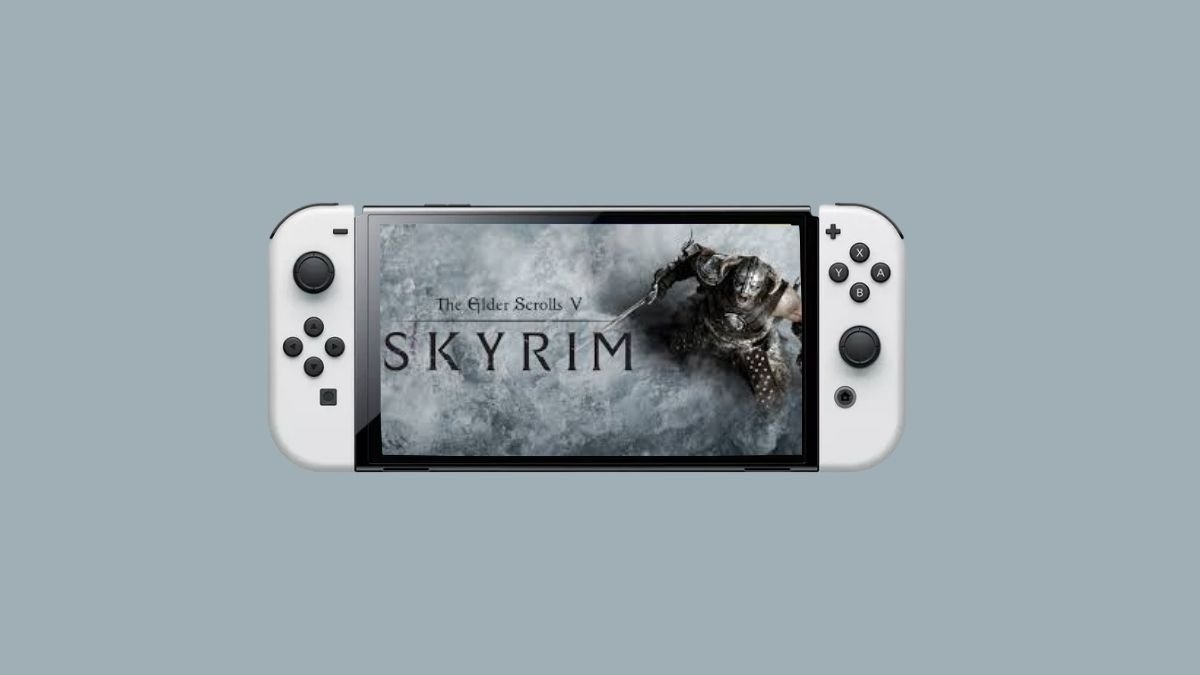
PC Special Edition supports 1440p+ at 60+ FPS on modern hardware; mods can reduce performance dramatically. PlayStation 5 delivers 1440p 60 FPS smoothly. Xbox Series X offers similar performance with Game Pass availability. Nintendo Switch scales impressively to 1080p docked and 720p handheld at 30 FPS.
Skyrim represents a watershed moment in gaming history, releasing in 2011 to universal acclaim that persists today through cultural presence and community devotion. This open-world RPG fundamentally altered player expectations about freedom, choice, and consequence in virtual spaces. Set in the frozen northern province of Tamriel, players become the Dragonborn—a prophesied hero with dragon soul and shout powers. What distinguishes Skyrim is not mechanical innovation but instead the marriage of systemic depth, hand-crafted world design, and role-playing flexibility that allows genuine player expression. The Anniversary Edition consolidates over a decade of DLC and 500+ Creation Club items, presenting a complete experience rivaling countless modern releases. Critical reception remains stratospheric, with the original achieving 96 on Xbox 360 and 94 on PC, numbers rarely approached even by contemporary AAA releases.
How to Play The Elder Scrolls V: Skyrim
Skyrim emphasizes personal agency and emergent storytelling above all else. Unlike linear action games, progression exists entirely at player discretion—ignore the main plot indefinitely to become a merchant, criminal, or warrior. Combat permits melee, ranged, and magical approaches simultaneously, with skill growth mirroring player behavior organically.
- Controls – Third-person and first-person perspectives both work effectively; most players gravitate toward first-person for immersion. Controller sensitivity requires adjustment for precise archery and spell casting; learning curve remains gentle for newcomers.
- Progression – Completing opening sequence places you in Skyrim proper with zero guidance. Stumble toward dragon, complete tutorial quest, then ignore main story entirely if preferred. Fast travel enables immediate access to discovered locations; walking emphasizes discovery.
- Combat/Mechanics – Three-stat combat system (melee/ranged/magic) scales with use frequency, creating organic progression where swordplay strengthens the more swords get swung. Stamina governs physical actions while magicka fuels spells; blocking reduces incoming damage through skill.
- Tips – Quicksave before difficult encounters; hoard alchemy ingredients for crafting; read journals for environmental storytelling; explore every cave marked on map; listen to NPC conversations for hidden quests; respec builds through leveling flexibility without rigid class restrictions.
Who Should Play The Elder Scrolls V: Skyrim
Skyrim appeals to players seeking immersive role-playing experiences where personal choices shape outcomes and narrative. It welcomes both action-game enthusiasts and those prioritizing world-building and character creation above mechanical complexity.
- Fantasy World-Builders – Creating detailed character backgrounds and living authentic fantasy lives; hundreds of hours disappear through side quests, marriage, home ownership, and guild affiliation without touching main story.
- Modding Enthusiasts – PC version hosts 60,000+ mods transforming graphics, mechanics, quests, and entire systems. Console versions support curated selections (PlayStation, Xbox, Switch) enabling accessibility for non-technical players.
- Story Completionists – Multiple questlines (Companions, Dark Brotherhood, Thieves Guild, College of Winterhold, Civil War, Daedric) provide 50+ hours of directed narrative beyond main campaign.
- Skip if – You prioritize tight combat mechanics over environmental storytelling; dislike dated graphics without mods; expect quest-markers pointing everywhere; or require regularly updated balance patches (Bethesda rarely changes core systems post-release).
The Elder Scrolls V: Skyrim Platform Performance
Skyrim’s age means optimization varies dramatically by platform. PC leverages modern hardware for enhanced visuals unattainable elsewhere; Special Edition introduced 64-bit architecture and DX11 features. Console versions compromise graphically but maintain gameplay integrity and offer portability through Switch.
| Platform | Resolution | FPS | Notes |
|---|---|---|---|
| PC (Ultra Settings) | 4K with ray tracing mods | 60+ | Mods enable ENBs and overhauls; requires significant VRAM investment |
| PlayStation 5 | 1440p/1080p | 60/120 | Performance mode preferred; loading eliminated through SSD |
| Xbox Series X | 1440p/1080p | 60/120 | Game Pass advantage; Smart Delivery enabled; mod support available |
| Nintendo Switch | 1080p/720p | 30 | Impressive port; handheld play enables portability; notably compromised visuals |
The Elder Scrolls V: Skyrim System Requirements
Special Edition’s 64-bit architecture increased minimum requirements substantially compared to original. Modern gaming systems drastically exceed recommendations, enabling visual enhancements, extensive modding, and ultra-settings across multiple monitors simultaneously.
| Component | Minimum | Recommended |
|---|---|---|
| OS | Windows 7/8.1/10 (64-bit only) | Windows 10 64-bit |
| CPU | Intel i5-750 or AMD Phenom II X4-945 | Intel i5-2400 or AMD FX-8320 |
| GPU | NVIDIA GTX 470 1GB or AMD HD 7870 2GB | NVIDIA GTX 780 3GB or AMD R9 290 4GB |
| RAM | 8 GB | 8 GB (16+ GB recommended for extensive modding) |
| Storage | 12 GB available space | SSD mandatory for reasonable load times; 25+ GB with mods |
Similar Games to The Elder Scrolls V: Skyrim
Open-world RPGs attempting to replicate Skyrim’s formula exist across multiple genres and complexity levels. These alternatives explore different design philosophies while maintaining core satisfactions of exploration-based progression and player agency.
- The Witcher 3: Wild Hunt – More narrative-focused open world with stronger quest design; however, sacrifices player agency through predetermined protagonist and storyline.
- Baldur’s Gate 3 – Deeper role-playing through D&D mechanics and branching dialogue; significantly more reactive systems though limited world size compared to Skyrim scope.
- Dragon’s Dogma 2 – Open-world combat-focused RPG with dynamic AI and real-time action; lighter on role-playing systems, heavier on mechanical depth.
- Oblivion (Elder Scrolls IV) – Spiritual predecessor featuring similar freedom but dated mechanics; recommended for lore enthusiasts and series continuity seekers.
The Elder Scrolls V: Skyrim vs Competitors
Skyrim’s longevity stems from unmatched mod support ecosystem and emergent gameplay possibilities. While narrative-heavy competitors like Witcher 3 offer superior story, Skyrim’s systems-based approach rewards personal creativity and role-playing commitment in ways linear narratives cannot replicate.
| Feature | Skyrim | Witcher 3 | Baldur’s Gate 3 |
|---|---|---|---|
| Price | $19.99 (Standard) to $49.99 (Anniversary) | $59.99 | $59.99 |
| Typical Playtime | 75-200+ hours | 100-150 hours | 120-180 hours |
| Mod Support | Extensive (PC/Console) | Limited community mods only | Steam Workshop available |
| Metacritic Score | 96 (Xbox 360) / 94 (PC) | 92 | 96 |
The Elder Scrolls V: Skyrim Story and World
A thousand years after Oblivion’s Oblivion Crisis, Skyrim teeters on civil war as Stormcloaks challenge Imperial authority. Simultaneously, dragons return to the world for the first time in ages, signaling apocalyptic prophecy. The Dragonborn—player character—discovers latent dragon powers and must navigate geopolitics, ancient magic, and racial tensions threatening provincial stability. World-building emphasizes Nordic mythology through architecture, cosmology, and cultural identity distinct from other Elder Scrolls regions. Rather than single narrative spine, Skyrim scatters story across dozens of quest-lines pursuing personal investment and moral ambiguity. Environmental storytelling rewards exploration through books, journals, and abandoned ruins depicting fallen civilizations. Tone balances epic dragon-slaying against intimate character stories, allowing players to become town guards, thieves, or silent assassins regardless of Dragonborn destiny. The three major DLC expansions expand narrative through vampire mythology (Dawnguard), player-driven home construction (Hearthfire), and Daedric intrigue (Dragonborn), each substantially expanding playtime and role-play options.
The Elder Scrolls V: Skyrim Multiplayer and Online
Skyrim features no cooperative or competitive multiplayer in the traditional sense. However, Anniversary Edition incorporates multiplayer-adjacent features through Creation Club content, community mods enabling private servers on PC, and cross-platform sharing of character builds and locations.
- Single-Player Only – All gameplay occurs in private instances; no PvP, cooperative raids, or competitive modes exist in vanilla game.
- Mod Community – PC community created multiplayer mods (SkyrimTogether, Skyrim Multiplayer) enabling small-group play; console incompatible with such modifications.
- Build Sharing – Community websites (reddit, Discord) facilitate character build sharing, roleplay guidelines, and challenge runs (permadeath Ironman modes).
- Cross-Platform – No cross-play exists; each platform maintains separate ecosystems though console Creation Club enables curated community content access.
The Elder Scrolls V: Skyrim DLC and Expansions
Three major DLC expansions released over 2012-2013 dramatically expand content; Anniversary Edition consolidates these plus 500+ Creation Club items into single purchase. This represents the most content-dense Elder Scrolls release, approaching sequel scope through accumulated post-launch additions.
- Dawnguard – Vampire-hunting faction questline; introduces Vampire Lord transformation, crossbows, and soul-powered items; 12 main quests plus side content spanning 15+ hours.
- Hearthfire – Player-driven home construction enabling property ownership, marriage, and child adoption; introduces crafting-focused gameplay and housing decoration systems.
- Dragonborn – Return to Solstheim island locale featuring new Dragonborn antagonist Miraak; adds 35+ quests, unique Nordic locations, and Daedric transformation abilities.
- Creation Club (500+ Items) – Anniversary Edition includes 74 Creation Club content packs adding quests, weapons, armor, spells, and player homes; functionally equivalent to traditional DLC tiering.
The Elder Scrolls V: Skyrim Community and Support
Skyrim maintains one of gaming’s most vibrant communities despite minimal official post-launch support. Fan modding, roleplaying communities, and cultural impact sustain engagement across 15+ years since release. Anniversary Edition refresh signals continued corporate interest despite development focus shifting toward Elder Scrolls VI.
- Official Forums – Bethesda.net forums host community discussions; however, official developer participation remains minimal compared to active multiplayer titles.
- Modding Ecosystem – Nexus Mods hosts 60,000+ submissions; Steam Workshop provides curated selections. Community maintains detailed documentation through wikis enabling knowledge-sharing across skill levels.
- Roleplay Communities – Discord servers dedicate to character building, survival challenges (mods disabled), and lore-accurate playthroughs numbering thousands of active participants.
- Updates – Post-launch support ended years ago; Creation Club receives occasional additions but core game receives no mechanical balance patches. Modders effectively serve as unofficial development team.