
 37
37
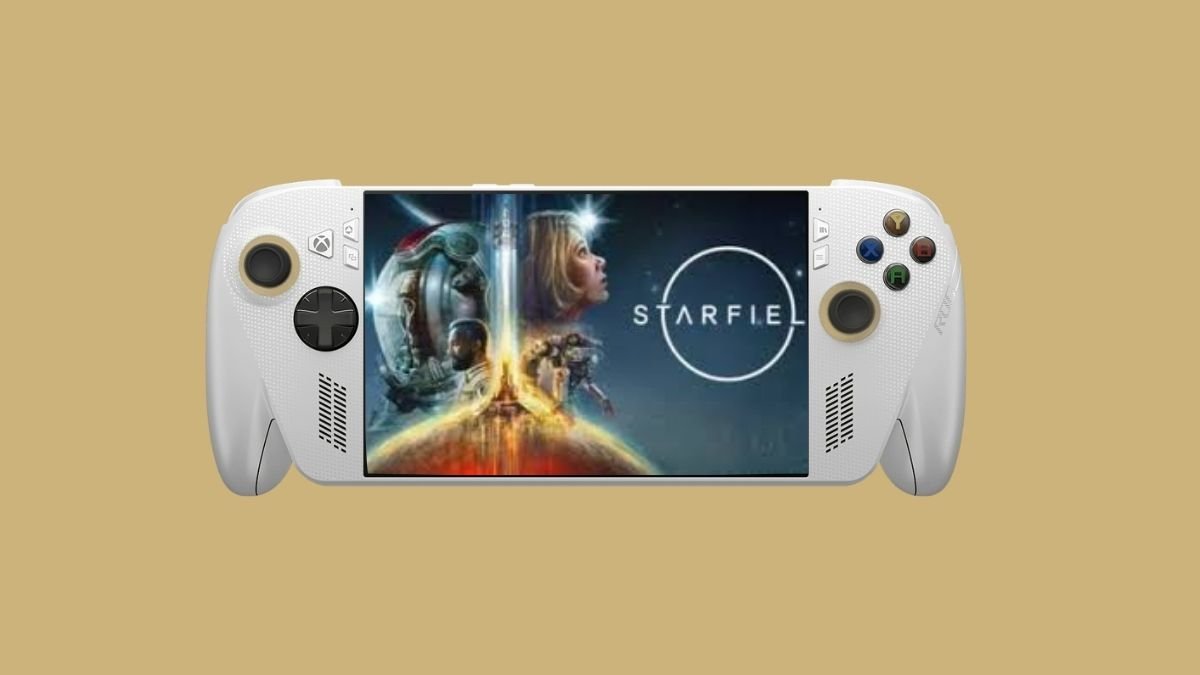
Starfield – Epic Space RPG Adventure
Bethesda's ambitious space RPG scores 88 on Metacritic with 1,000+ explorable planets, deep character customization, and 200+ hours of gameplay content.
Game Info
Verdict
Ambitious space RPG with 200+ hour potential, exceptional world-building, and NASA-punk aesthetic marred by performance inconsistencies and procedural planet reuse.
Pros
- 200+ hour campaign with multiple faction storylines offering distinct narratives and consequences
- Extensive ship customization and outpost building systems provide creative freedom
- Strong character progression, dialogue variety, and companion chemistry exceeds Bethesda's historical standards
- Traversal mechanics (jetpack) and environmental traversal feel responsive and polished
- May 2024 console updates transformed performance with 60fps modes eliminating initial 30fps criticism
Cons
- Loading screens between major areas break immersion; procedurally-generated planets offer less visual variety than handcrafted locations
- Combat encounters against bullet-sponge enemies lack tactical depth; AI pathfinding occasionally questionable
- Main story pacing sluggish; critical narrative moments frontloaded, diminishing tension toward finale
- Performance remains inconsistent across PC lineup; sub-60fps persists on recommended specs
- No multiplayer or co-op limits social engagement compared to live-service competitors
Performance Notes
PC performance scales to hardware capabilities; RTX 2080 achieves 4K 60fps. Xbox Series X: 30fps/40fps/60fps/uncapped modes post-May 2024 update. Series S: similar targets at 1440p reconstruction (900p base). City areas experience occasional framerate dips. Upscaling (DLSS/FSR) essential for high-resolution performance on mid-range GPUs.
Starfield represents Bethesda Game Studios’ boldest venture since The Elder Scrolls V: Skyrim, launching as an exclusive Xbox Series X/S and PC title. With a Metacritic score of 88 on PC and 87 on Xbox, the game establishes itself as a critically acclaimed first-person RPG that rewrites the rulebook for space exploration. Players craft custom characters, command personalized starships, build outposts across hostile worlds, and navigate an interconnected universe of over 1,000 procedurally-generated planets. This review examines Starfield’s gameplay innovations, technical performance across platforms, and how it compares to industry peers like Mass Effect and Fallout.
How to Play Starfield
Starfield operates as a first-person, dialogue-driven RPG with emphasis on exploration, character progression, and consequence-based storytelling. Movement feels responsive, with jetpacks enabling vertical traversal and combat flowing between ranged gunplay and tactical ability usage through Starborn powers.
- Controls – Mouse and keyboard or controller inputs handle movement, aiming, and interaction. Jetpack mechanics take adjustment but become intuitive after 2-3 hours of play. Learning curve is moderate, befitting players familiar with Bethesda’s earlier titles.
- Progression – Advance through main story chapters alongside faction storylines (United Colonies, Crimson Fleet, Freestar Collective, Ryujin Industries). Character leveling unlocks skills, spaceship upgrades follow modular customization paths, and outpost development provides economic sustainability.
- Combat/Mechanics – Engage enemies through first-person gunplay, power-based abilities (telekinesis, healing, gravity wells), and companion-assisted tactics. Ship combat uses turn-based firing mechanics during space encounters. Core loop alternates between planetary exploration, base-building, trading, and mission execution.
- Tips – Save frequently before major decisions; recruit diverse companions for dialogue variety and combat bonuses. Focus on one faction storyline initially to understand dialogue systems. Avoid over-investing in ships early, as better designs unlock through story progression. Use quicktravel liberally to manage extensive planetary distances.
Who Should Play Starfield
Starfield appeals to players seeking immersive first-person RPGs with extensive exploration, character customization, and systemic depth. Its 200+ hour potential attracts dedicated role-players, while 30-40 hour main quests satisfy those preferring focused narratives.
- Bethesda Veterans – Skyrim and Fallout enthusiasts will recognize the DNA: dialogue wheels, skill-based progression, consequence-bearing choices, and modular world interaction. Combat feels more refined than Fallout 4, narrative consequences more pronounced.
- Space Exploration Fans – No Man’s Sky and Elite Dangerous players appreciate procedurally-generated planets, though Starfield prioritizes handcrafted story locations over infinite procedural content, balancing discovery with narrative coherence.
- Strategic Builders – Outpost construction, ship customization, and crew management appeal to players who love Fallout 76’s settlement systems without multiplayer stress, offering single-player sandbox creativity.
- Skip if – Prefer action-heavy gameplay with minimal dialogue (combat represents ~30% of playtime). Cannot tolerate frequent loading screens between major areas. Demand photorealistic AAA graphics over stylized, NASA-punk aesthetics. Expect procedurally-generated planets to match hand-designed worlds in liveliness.
Starfield Platform Performance
Starfield demonstrates variable performance across platforms. PC scales infinitely with hardware; consoles implement tiered performance modes (30fps stability, 40fps option, 60fps performance mode, uncapped high-refresh modes). Xbox Series S compromises resolution to maintain target framerates, while Series X delivers consistent performance near target metrics.
| Platform | Resolution | FPS | Notes |
|---|---|---|---|
| PC (High-End) | 4K | 60+ | RTX 2080 and above recommended. Upscaling (DLSS/FSR) enables 4K high performance on mid-range GPUs. Frame gen reduces input responsiveness. |
| Xbox Series X | 4K/1440p | 30/40/60/Uncapped | Performance mode targets 60fps with dips in dense city areas. Visuals mode prioritizes quality at 30fps stable. May 2024 patch added 40fps and higher-refresh options. Very stable in both core modes. |
| Xbox Series S | 1440p/900p | 30/40/60/Uncapped | Reconstructed 1440p from 900p base. Similar performance patterns to Series X but with noticeable texture quality reduction. Uncapped mode reaches 60fps in outdoor areas, struggles indoors. |
| PC (Mid-Range) | 1440p | 45-60 | Ryzen 5 3600X + RTX 2080 achieves stable 1440p with FSR. Quality setting required; Ultra settings demand higher specs for 60fps consistency. |
Starfield System Requirements
Starfield demands 16GB RAM baseline across all configurations and 125GB SSD storage due to asset streaming requirements. GPU determines visual fidelity and resolution ceiling; CPU performance matters for planet loading and NPC density in major cities.
| Component | Minimum | Recommended |
|---|---|---|
| OS | Windows 10 version 22H2 | Windows 10/11 with latest updates |
| CPU | AMD Ryzen 5 2600X / Intel Core i7-6800K | AMD Ryzen 5 3600X / Intel i5-10600K |
| GPU | AMD Radeon RX 5700 / NVIDIA GTX 1070 Ti | AMD Radeon RX 6800 XT / NVIDIA RTX 2080 |
| RAM | 16GB | 16GB (no improvement beyond) |
| Storage | 125GB available space | SSD mandatory for acceptable load times |
Similar Games to Starfield
Starfield occupies a unique space between exploration-heavy space games and narrative-driven RPGs. These titles share elements but diverge significantly in focus and execution, offering varying approaches to open-world space adventure.
- The Outer Worlds – Smaller-scale Bethesda RPG with satire-heavy tone and three-character party system. Less exploration freedom, more character-driven storytelling. 20-40 hour span versus Starfield’s 200+.
- Fallout 4 – Shares quest design, dialogue wheels, and crafting systems but lacks space setting and ship combat. More focused narrative, less planetary exploration depth. Directly comparable in mechanics and mission structure.
- Mass Effect Andromeda – Third-person space exploration with narrative focus and squad-based combat. More cinematic presentation, fewer planets, stronger character relationships. Shorter campaign (40-50 hours total).
- No Man’s Sky – Procedurally-generated universe with billions of planets but minimal narrative structure. More sandbox than role-playing. Post-launch improvements transformed initial reception dramatically.
Starfield vs Competitors
Comparing Starfield against direct competitors reveals positioning strategy: deeper RPG mechanics and higher narrative ambition than procedural space games, scaled-up Bethesda formula relative to smaller studio offerings, and more story-focused than pure exploration titles. Value proposition hinges on player preference for directed quests versus emergent gameplay.
| Feature | Starfield | Fallout 4 | Mass Effect Andromeda |
|---|---|---|---|
| Price | $69.99 | $59.99 (on sale) | $19.99-$39.99 |
| Campaign Length | 30-40 hrs main | 25-30 hrs main | 40-50 hrs typical |
| Multiplayer | No | No (Fallout 76 exists) | No (multiplayer dropped) |
| Metacritic | 88 PC / 87 Xbox | 84-87 platform variant | 71 PC / 72 Console |
| Perspective | First-person | First-person | Third-person |
| Ship Customization | Extensive | None | None |
| Outpost Building | Yes | Yes | No |
Starfield Story and World
The setting depicts humanity 300 years post-establishment of space colonies, fragmented into regional power structures. Three Earth-originating factions (United Colonies, Crimson Fleet, Freestar Collective) vie for control across settled space. Players assume Star-Lord-like roles—irregular spacefarer rising into political/criminal prominence. Narrative tone balances comedic companion banter against serious existential threats from cosmic anomalies. World-building emphasizes colonist struggles, factional politics, and resource scarcity, creating backdrop for consequence-heavy decisions. Story avoids Hollywood spectacle, instead grounding sci-fi in near-future feasibility (NASA-punk aesthetic). Main narrative runs 30-40 hours; side factions add 40-80 hours of interconnected storytelling.
Starfield Multiplayer and Online
Starfield prioritizes single-player experience with no multiplayer modes, PvP functionality, or online co-op. This design choice reflects Bethesda’s focus on narrative flexibility and mod support (post-launch). Game Pass availability provides online distribution; no persistent online servers required, eliminating potential downtime risks that plagued Fallout 76.
- Single-Player Focus – All content designed for solo play. No raids, dungeons, or events requiring group coordination. Dialogue choices affect world state permanently for individual playthroughs.
- New Game Plus – Replays reset main quest while preserving character progression. Replaying main story requires only 2-3 hours with knowledge; many players launch multiple NG+ runs exploring alternate faction endings.
- Mod Support – Creation Kit and modding tools expected post-launch (Bethesda pattern). Xbox Game Pass Play Anywhere integration enables cross-device saves and mods through Microsoft ecosystem.
- Cross-Platform – None; Xbox exclusivity on consoles locks progression to Microsoft ecosystem. PC Steam version plays independently with its own mod framework.
Starfield DLC and Expansions
Starfield DLC strategy diverges from recent Bethesda precedent by offering major narrative expansions. Shattered Space launched September 30, 2024, introducing new planet Va’ruun’kai with 50+ locations, fresh enemy types, and substantial questlines. Future DLC roadmap promised but not detailed. Digital Premium Edition ($99.99) includes base game plus Shattered Space; standard edition requires separate $29.99 DLC purchase. Game Pass subscribers receive 10% DLC discount but must purchase separately (not included with subscription).
- Shattered Space Expansion – $29.99 standalone; 15-20 hours estimated content. Introduces Va’ruun religious cult antagonists, Redeemed and Vortex Horror enemy types. Over 50 explorable locations across new planet region. New weapons, armor, and Relic abilities enhance character building options.
- Digital Premium Edition Upgrade – $99.99 all-in pricing ($31.49 upgrade if owning base). Includes base game + all planned DLC expansions. Year-one content roadmap not disclosed publicly.
- Free Updates – May 2024 patch introduced higher-framerate console modes (40fps, 60fps, unlocked). Performance improvements addressed launch criticism. Bethesda historical pattern suggests regular free updates alongside paid expansions.
- Future Content – Todd Howard confirmed multiple expansion plans but provided no timeline or specific announcements. Bethesda emphasizes modding community will extend content lifespan indefinitely.
Starfield Community and Support
Starfield commands significant community engagement across multiple platforms. Official forums, subreddit (r/Starfield), and Discord servers host active player bases discussing builds, quest solutions, and lore theories. Bug reports funnel directly to Bethesda developers, evidenced by May 2024 performance patch addressing console framerates. Modding support remains cornerstone of long-term community health, with players creating overhauls addressing gameplay systems, graphics enhancements, and quest expansions. Patch frequency accelerated post-launch (typically monthly major updates), significantly improving stability and performance from September 2023 baseline.
- Official Community – Bethesda.net forums host developer posts and patch notes. Subreddit r/Starfield (1M+ members) functions as primary player hub for strategy, builds, and roleplay discussion. Engaged moderators maintain constructive environment.
- Discord Servers – Multiple community Discord servers (100K+ member servers) provide real-time discussion, LFG for potential co-play coordination, and mod recommendations. Official Bethesda Discord offers developer interaction.
- Mod Support – Creation Kit released to community post-launch. Nexus Mods platform hosts 500+ mods within weeks of launch. Xbox Game Pass enables mod discovery through in-game menu. PC Steam Workshop integration enables one-click installation.
- Update Roadmap – Bethesda published official roadmap through December 2024. Major patches monthly; hotfixes address critical bugs within days. Community feedback directly influenced console performance mode implementation in May 2024.