
 18
18
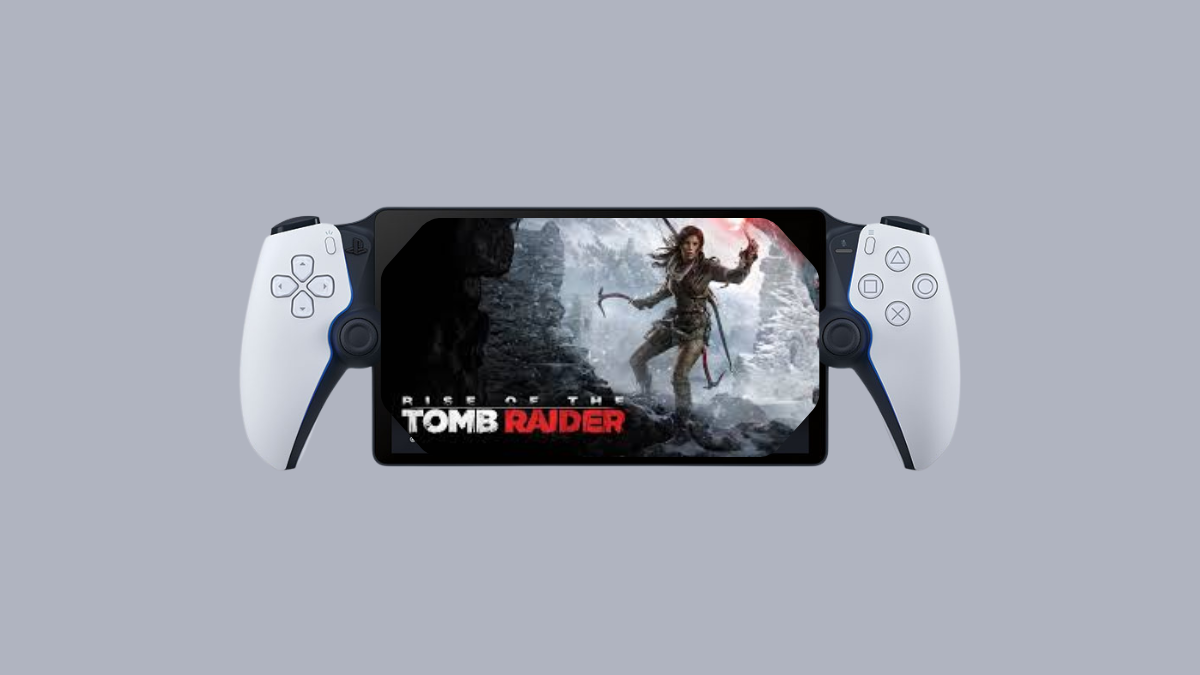
Rise of the Tomb Raider – 20 Year Celebration
Crystal Dynamics' masterful sequel reinvents the Tomb Raider formula with expanded exploration, gorgeous environments, and emotional storytelling. Rated 8.6/10.
Game Info
Verdict
A brilliantly balanced action-adventure offering exploration depth, environmental storytelling, and character growth that defines modern Tomb Raider design.
Pros
- Gorgeous, diverse environments encouraging thorough exploration
- Exceptional world design and environmental storytelling through collectibles
- Balanced difficulty accommodating novices and challenge-seeking veterans
- Solid character development deepening Lara's emotional complexity
- Challenge tombs provide rewarding puzzle-solving distinct from combat
- Excellent value with 20 Year Celebration Edition including all DLC
Cons
- Some environments visually similar despite mechanical diversity
- Forced combat encounters interrupt exploration pacing occasionally
- Multiplayer components feel disconnected from single-player focus
- Story follows familiar beats from 2013 reboot (Trinity, immortality, undead armies)
- Stealth mechanics sometimes feel clunky compared to pure action sequences
Performance Notes
Exceptional PC optimization allows performance scaling from 1080p/60fps on GTX 1060 to 4K/60fps+ on RTX 30-series GPUs. Xbox Series X delivers 4K/60fps with optional fidelity mode. PS4 Pro maintains 1440p/60fps with minimal drops. Load times improved significantly on SSD-equipped systems. Overall excellent technical implementation across platforms.
Rise of the Tomb Raider stands as the defining sequel in the modern Tomb Raider era, expanding upon 2013’s reboot with more substantial exploration, refined combat mechanics, and a narrative that deepens Lara Croft’s character development. Released in November 2015 for Xbox consoles and expanded to PC in January 2016, the game has achieved critical acclaim across platforms with a Metacritic score of 86. The 20 Year Celebration Edition (2016) bundles all DLC, cosmetics, and bonus content into a complete package valued at $39.99 retail, though frequent Steam sales position it as an exceptional value proposition. This review examines what elevates Rise of the Tomb Raider above its predecessor and why it remains essential for action-adventure enthusiasts five years after the Shadow trilogy’s conclusion.
How to Play Rise of the Tomb Raider
Rise of the Tomb Raider maintains accessibility through intuitive controls while introducing environmental traversal puzzles and resource management systems. The core gameplay loop alternates between exploration, puzzle-solving, stealth encounters, and direct combat, with players deciding how to approach each area through environmental interactions and weapon choices.
- Controls – Third-person perspective with context-sensitive climbing and rope mechanics. Combat uses cover-based shooting with melee finishers. Tomb exploration emphasizes platforming over combat, rewarding observation and pattern recognition over reflexes.
- Progression – Story missions expand toward open-ended hub areas where side tombs, collectibles, and resource nodes encourage exploration. Lara gains new equipment through crafting and combat upgrades; progression feels organic through character capability development rather than arbitrary experience points.
- Combat/Mechanics – Encounters favor stealth kills and ambushes; direct firefights become frequent but remain avoidable through positioning. Resource gathering (animal parts, salvage materials) enables weapon upgrades that impact combat effectiveness. Survival difficulty setting heightens tension by increasing enemy awareness and reducing resource availability.
- Tips – Engage survival instincts (ability highlighting nearby resources) to locate side content; challenge tombs reward technical puzzle-solving with meaningful upgrades. Hunt animals methodically rather than in combat; resources gathered outside battle provide crucial supplies. Approach enemy camps from elevated positions for stealth advantages.
Who Should Play Rise of the Tomb Raider
Rise of the Tomb Raider appeals to players valuing exploration, character development, and environmental storytelling over combat challenge. The balanced difficulty modes accommodate both newcomers discovering the franchise and veterans seeking Extreme Survivor difficulty’s unforgiving combat.
- Action-Adventure Enthusiasts – Players who enjoyed Uncharted series, Assassin’s Creed exploration, or God of War’s environmental design will appreciate Rise of the Tomb Raider’s balanced approach combining cinematic moments with player agency.
- Exploration-Focused Gamers – The game rewards thoroughness; hidden tombs, collectible documents, and secret areas contain lore deepening environmental understanding. Exploration feels purposeful rather than obligatory checklist completion.
- Story-Driven Players – Lara’s journey investigating her father’s legacy against the immortality-obsessed Trinity organization unfolds through voice acting, character development, and meaningful narrative moments. The relationship between Lara and Jonah particularly resonates emotionally.
- Skip if – You prefer pure action gameplay without exploration downtime. The game prioritizes pacing variation over constant combat; some locations feel visually similar despite meaningful mechanical variety. Stealth-focused players may find combat encounters forced at times.
Rise of the Tomb Raider Platform Performance
Rise of the Tomb Raider demonstrates excellent technical optimization across platforms, with PC versions allowing extensive graphical customization. Console versions balance visual fidelity against framerate targets; Xbox Series X enhancements provide 4K/60fps options previously impossible on original hardware. The 20 Year Celebration Edition maintains consistent performance across platforms.
| Platform | Resolution | FPS | Notes |
|---|---|---|---|
| PC (High-End RTX 3080) | 4K Ultra | 60+ | Full ray tracing, DLSS support on compatible GPUs, excellent scaling across hardware tiers |
| Xbox Series X | 4K | 60 | Performance mode; Fidelity mode at 1440p/30fps with ray tracing for select environments |
| PS5 (via backwards compatibility) | 1440p | 60 | Improved framerate from PS4 version; automatic enhancements through console optimization |
| PC (Medium Settings, GTX 1060) | 1440p | 60 | Solid 1440p/60fps at medium-high settings; excellent balance for mid-range hardware |
| PS4 Pro | 1440p | 60 | Occasional frame dips in dense foliage areas; generally maintains target framerate |
Rise of the Tomb Raider System Requirements
Rise of the Tomb Raider’s PC implementation scales efficiently across a broad hardware spectrum. The Foundation engine allows detailed visual settings customization; players with older GPUs can enjoy the game at reduced settings, while modern systems deliver cutting-edge graphical fidelity. The game supports both NVIDIA’s DLSS and AMD’s FSR upscaling on recent GPUs.
| Component | Minimum | Recommended |
|---|---|---|
| OS | Windows 7/8 64-bit | Windows 10 64-bit |
| CPU | Intel Core i3-2100 or AMD equivalent | Intel Core i7-3770K or AMD FX-9590 |
| RAM | 6 GB | 8 GB |
| GPU | NVIDIA GTX 650 2GB or AMD HD7770 2GB | NVIDIA GTX 980Ti or NVIDIA GTX 970 with 4GB VRAM |
| Storage | 25 GB available space on mechanical HDD | 25 GB SSD Recommended for faster load times |
Similar Games to Rise of the Tomb Raider
The action-adventure genre has evolved significantly since Rise of the Tomb Raider’s 2015 release, with numerous titles building upon the exploration-combat balance it perfected. However, few maintain the equilibrium between narrative, exploration, and mechanical complexity as effectively as this sequel, positioning it as a refined example newer entries emulate.
- Uncharted 4: A Thief’s End – Shares cinematic storytelling and environmental traversal; emphasizes action sequences over exploration depth and puzzle-solving.
- Shadow of the Tomb Raider – Direct sequel expanding on exploration mechanics and tomb complexity; adds underwater passages and indigenous perspective to narrative framing.
- Horizon Zero Dawn – Combines action, exploration, and resource gathering in open-world setting; prioritizes combat and environmental scanning over traditional puzzle-solving.
- God of War (2018) – Offers similar pacing between combat encounters and exploration; incorporates Norse mythology and focuses more on character relationship development than environmental storytelling.
Rise of the Tomb Raider vs Competitors
Rise of the Tomb Raider competes effectively against contemporary and modern action-adventure titles through balanced gameplay systems and exceptional world design. Its value proposition improves with the 20 Year Celebration Edition bundling comprehensive DLC, offering more content-per-dollar than many competitors while maintaining consistent quality throughout.
| Feature | Rise of Tomb Raider | Uncharted 4 | Horizon Zero Dawn |
|---|---|---|---|
| Price | $14.99-$39.99 | $39.99 | $39.99 |
| Playtime (Main Story) | 16 hours | 18 hours | 25 hours |
| Playtime (100%) | 25+ hours | 20 hours | 50+ hours |
| Exploration Emphasis | High – rewarded heavily | Medium – linear sequences | High – open-world |
| Puzzle Complexity | Medium-High | Low | Low-Medium |
| Metacritic | 86 | 93 | 88 |
Rise of the Tomb Raider Story and World
Rise of the Tomb Raider’s narrative follows Lara Croft investigating her missing father’s research into immortality while confronting the Trinity organization—a shadow cabal seeking ancient power sources. The story deepens Lara’s emotional complexity; she evolves from survivor to capable adventurer wrestling with moral ambiguity around violence and cultural appropriation. Rather than treasure hunting, she pursues knowledge and legacy, with personal growth outweighing material rewards. Environmental storytelling proves exceptional; ancient Russian bases, Siberian ruins, and Ottoman architecture each contain documentary-style collectibles revealing lore through found journals and audio recordings. Characters feel grounded despite fantastical elements; Jonah Stewart develops as meaningful companion rather than quest dispenser. The game explores themes of paternal legacy, redemption through purposeful action, and the cost of pursuing immortality. Pacing brilliantly alternates between intense action sequences and quiet moments allowing character reflection and environmental appreciation. The ending provides satisfying closure while establishing setup for subsequent entries.
Rise of the Tomb Raider Multiplayer and Online
Rise of the Tomb Raider includes cooperative and competitive multiplayer modes alongside single-player campaign. Multiplayer integrates card modifiers and progression systems, though it lacks the polish and player population of single-player components. The campaign remains the primary focus; multiplayer serves as optional replayability layer rather than central offering.
- Expedition Mode – Cooperative multiplayer allows up to four players completing custom campaign variations with randomized challenges, enemy configurations, and reward modifiers.
- Competitive Modes – Various multiplayer matches pit players against each other in standard deathmatch, objective capture, and survival scenarios; character cosmetics from campaign transfer to multiplayer.
- Card System – Expedition Cards modify gameplay rules (increased damage, special abilities, environmental hazards); creating unique challenge conditions for single-player and multiplayer runs.
- Cross-Play – Windows 10 version includes cross-platform play with Xbox One; PlayStation and PC versions remain separate, though backward-compatible PS4 version plays on PS5.
Rise of the Tomb Raider DLC and Expansions
Substantial post-launch support elevated Rise of the Tomb Raider’s value proposition significantly. The 20 Year Celebration Edition bundles story DLC, cosmetic packs, and bonus content at $39.99, providing exceptional value compared to purchasing components separately. These additions justify repurchasing for series devotees while creating entry points for new players.
- Baba Yaga: The Temple of the Witch – Story expansion exploring Russian mythology; adds hours of gameplay with new tomb, enemies, and narrative threads resolving ambient lore mysteries.
- Blood Ties – Single-player story episode exploring Croft Manor and Lara’s family history; features over one hour of additional campaign with exclusive difficulty mode.
- Cold Darkness Awakened – Cooperative multiplayer-focused expansion introducing new enemies, locations, and weapon variants; substantially extends multiplayer longevity.
- Free Updates – Regular patches addressed balance concerns and introduced seasonal cosmetics; development support continued through 2016-2017 with consistent quality improvements.
Rise of the Tomb Raider Community and Support
Rise of the Tomb Raider maintains modest but dedicated community engagement five years post-launch. Crystal Dynamics provides occasional cosmetic updates and remains responsive to technical issues; speedrunning communities continue organizing runs across various categories. The game serves as bridge between active Tomb Raider franchises, with community discussions shifting toward Shadow of the Tomb Raider while maintaining classic gameplay appreciation.
- Official Support – Square Enix forums and Crystal Dynamics social channels provide technical assistance and patch announcements; community managers engage periodically with feedback.
- Reddit/Discord – r/TombRaider maintains active discussion across all games; dedicated Discord communities organize speedruns, challenge events, and multiplayer sessions.
- Mod Support – PC version supports texture mods and cosmetic alterations through community tools; limited compared to other PC titles due to proprietary engine systems.
- Speedrunning Community – speedrun.com leaderboards track any%, 100%, and challenge run categories; occasional GDQ appearances maintain visibility within competitive gaming circles.