
 44
44
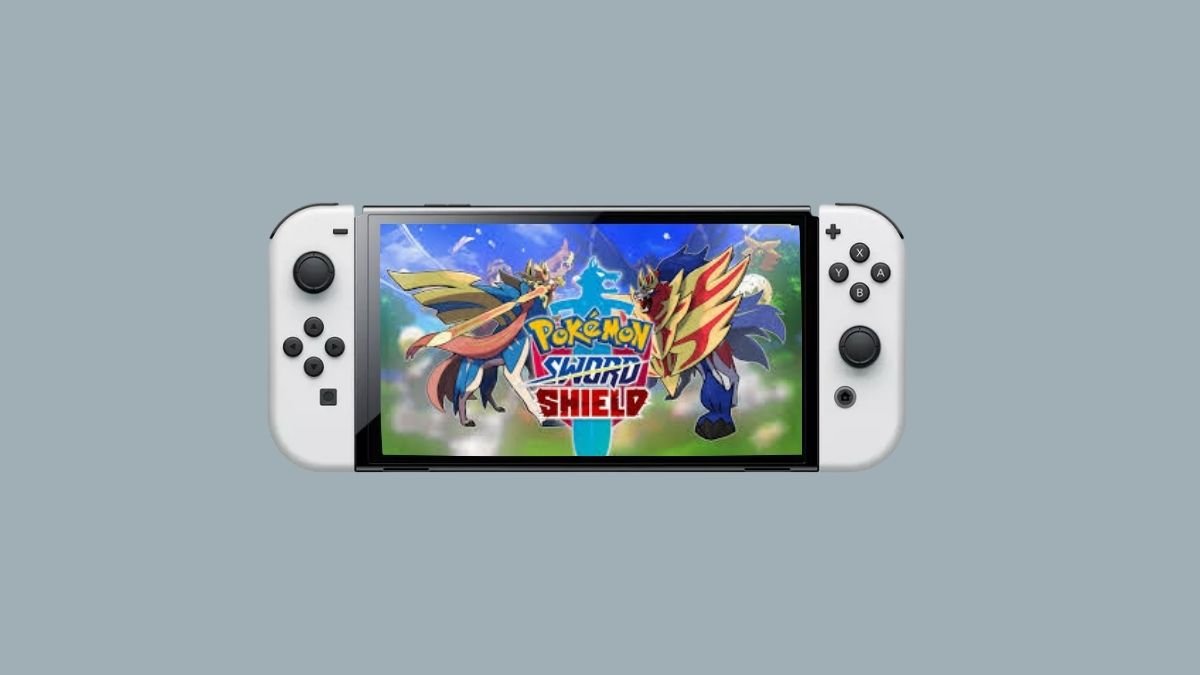
Pokémon Sword and Shield – 8th Gen Adventure Begins
Game Freak's bold leap to console delivers a solid but divisive Pokémon experience, scoring 81 on Metacritic with acclaimed multiplayer raids alongside controversial Pokédex cuts.
Game Info
Verdict
Pokémon Sword successfully brings the series to home console with engaging multiplayer raids, though controversial Pokédex cuts and graphical compromises prevent greatness.
Pros
- Accessible yet deep gameplay balances newcomers and veterans
- Max Raid Battles introduce meaningful multiplayer cooperation to core series
- Wild Area freedom contrasts nicely with traditional gym structure
- Dynamax spectacle feels genuinely exciting during pivotal encounters
- Substantial post-game via Expansion Pass DLC areas
Cons
- Significant Pokémon Pokédex cut (400+ species unavailable) angered collectors
- Recycled animation assets disappoint players expecting console-generation leap
- Wild Area suffers from pop-in and occasional performance stutters
- Story lacks emotional depth; pacing feels rushed in second half
- Graphical fidelity lags behind competing Switch RPGs like Fire Emblem
Performance Notes
Runs exclusively on Nintendo Switch at 1080p docked (720p handheld) with stable 30 FPS. Wild Area occasionally experiences frame dips during grass texture loading. No performance scaling options available; consistent across all Switch models.
Pokémon Sword and Shield mark the franchise’s first mainline entry on a home console, introducing the Galar region with new Dynamax mechanics and cooperative Max Raid Battles. Critics praised the ambitious scope and Wild Area freedom, though concerns about missing Pokémon and recycled animations tempered enthusiasm. This review examines what makes these games compelling for both series veterans and newcomers, analyzing their strengths in multiplayer design while addressing legitimate criticisms about content and visual polish that divided the fan base.
How to Play Pokémon Sword
Pokémon Sword follows the classic formula with modern twists. Catch and train Pokémon, battle gym leaders across eight major challenges, and uncover the mystery of Legendary Pokémon Zacian and Zamazenta. Your journey emphasizes strategic team building and wild encounters in an open-ended Wild Area.
- Controls – Intuitive Joy-Con controls with gyro aiming for Poké Ball throws; minimal learning curve for series fans
- Progression – Defeat eight gym leaders sequentially, then face the Champion Cup; post-game raids and DLC areas extend gameplay significantly
- Combat/Mechanics – Traditional turn-based battles using four moves per Pokémon; Dynamax transformation grants three-turn power boost with exclusive Max Moves
- Tips – Stock diverse type coverage for gyms; utilize the Wild Area early for level grinding; coordinate Dynamax timing in raids with allies
Who Should Play Pokémon Sword
Sword and Shield appeal to casual trainers seeking accessible adventure alongside series devotees wanting online raids and competitive depth. Players value real-time open exploration and fast-paced Dynamax spectacle. Story-focused gamers will enjoy the gym narrative arc and character interactions throughout Galar.
- Pokémon Fans – Series veterans embracing console evolution and new mechanics like Dynamax raids
- Multiplayer Seekers – Players craving cooperative Max Raid Battles with friends and strangers online
- Casual RPG Gamers – Those enjoying colorful worlds, light stories, and low skill floors for progression
- Skip if – You demand photorealistic graphics, prefer grid-based tactical combat, or require complete National Pokédex without compromises
Pokémon Sword Platform Performance
Pokémon Sword runs exclusively on Nintendo Switch hardware, delivering consistent 30 FPS across docked and handheld modes. The Wild Area experiences occasional frame dips when dense grass textures load, but core battles maintain stability. Docked play scales to 1080p, handheld to 720p.
| Platform | Resolution | FPS | Notes |
|---|---|---|---|
| Switch Docked | 1080p | 30 | Stable performance; Wild Area grass loading occasionally visible |
| Switch Handheld | 720p | 30 | Portable convenience; Minor texture pop-in in exploration areas |
| Switch OLED | 1080p | 30 | Enhanced screen clarity; no performance improvements over standard Switch |
| N/A | Console Exclusive | 30 | No PC, PlayStation, or Xbox versions exist |
Pokémon Sword System Requirements
As a Nintendo Switch exclusive, Pokémon Sword requires only a Switch console and active Nintendo Switch Online subscription for online raids and trading. No PC or additional hardware needed. Expansion Pass adds 30 GB combined content across two DLC areas released in 2020.
| Component | Minimum | Recommended |
|---|---|---|
| Console | Nintendo Switch | Switch OLED (sharper display) |
| Storage | 15 GB available space | 32 GB for base + DLC |
| Online Service | Nintendo Switch Online (required for online features) | NSO Expansion Pack (adds cloud saves) |
| Expansion Pass | $29.99 (optional) | Includes Isle of Armor + Crown Tundra |
| Release Build | Latest system firmware | Auto-updates recommended |
Similar Games to Pokémon Sword
Trainers seeking comparable adventures gravitate toward tactical RPGs with multiplayer elements or creature-collecting mechanics. Fire Emblem’s relationship systems and Monster Hunter’s raid scaling offer strategic depth, while Monster Hunter Stories provides similar collection progression through giant monster encounters.
- Fire Emblem: Three Houses – Turn-based tactical combat with character relationship bonds; deeper narrative but less creature variety
- Monster Hunter: Rise – Multiplayer hunts against towering monsters; harder difficulty and itemization-focused progression
- Octopath Traveler – Classic JRPG with interconnected stories and turn-based combat; exploration-heavy worldbuilding
- Monster Hunter Stories 2: Wings of Ruin – Creature-collecting with raid mechanics mirroring Dynamax Adventures; more family-friendly tone
Pokémon Sword vs Competitors
Pokémon Sword’s positioning reflects Nintendo’s first-gen console Pokémon initiative, capturing mainstream appeal despite criticism. Fire Emblem commands longer playtime through tactical depth; Monster Hunter excels in multiplayer challenge and itemization. Sword balances accessibility with online engagement, trading raw difficulty for participation scope.
| Feature | Pokémon Sword | Fire Emblem 3H | Monster Hunter Rise |
|---|---|---|---|
| Price | $23.99 (sale) | $45-59.99 | $29.99 |
| Main Campaign | 25-35 hours | 60-80 hours | 40-50 hours |
| Multiplayer | Yes (4-player raids) | No | Yes (4-player hunts) |
| Metacritic | 81 | 88 | 84 |
Pokémon Sword Story and World
The Galar region blends British countryside inspiration with modern infrastructure, from idyllic farmland to sprawling cities like Motostoke. You embark on a traditional gym challenge while uncovering a conspiracy involving Legendary Pokémon and the nefarious Chairman Rose. The narrative eschews darker themes for adventure-focused pacing, emphasizing your growth as a trainer through rivalry with other gym challengers and interactions with supportive allies. Dynamax spectacle anchors the story’s climax, making it a thematic centerpiece rather than a mechanical afterthought.
Pokémon Sword Multiplayer and Online
Pokémon Sword emphasizes cooperative multiplayer through Max Raid Battles, the franchise’s first foray into structured four-player content. Online features require Nintendo Switch Online subscription ($20/year basic, $50/year Expansion Pack). Raid difficulty scales intelligently, supporting solo play with AI-controlled trainers when partners are unavailable.
- Max Raid Battles – 4-player cooperative raids against Dynamaxed Pokémon; available online or locally; supports solo with NPC backup trainers
- Trading and Battling – Link Trade for species exchange; Ranked Battles for competitive single and double formats with global matchmaking
- Seasonal Raids – Rotating Legendary Pokémon appearing monthly; event distributions unlock rare catches and Hidden Abilities
- Cross-Play – No cross-platform support; limited to Switch players; local wireless works without online subscription
Pokémon Sword DLC and Expansions
The Pokémon Sword Expansion Pass ($29.99) includes two major content drops totaling 30+ hours of additional gameplay. Isle of Armor (June 2020) introduces a coastal dojo setting with new Pokémon forms and a legendary rival. Crown Tundra (October 2020) adds snowy highlands featuring Dynamax Adventures—randomized three-battle sequences with rental Pokémon culminating in Legendary captures.
- Isle of Armor – Coastal island expansion with new trainer, new Pokémon and Gigantamax forms, culminating in a dojo tournament
- Crown Tundra – Snowy region with Dynamax Adventures and Legendary Pokémon hunts; extends post-game indefinitely through randomized content
- Expansion Pass – $29.99 single purchase unlocks both expansions automatically upon release; no additional cost per area
- Free Updates – Quality-of-life patches, move tutor additions, and seasonal Raid rotations released throughout 2020-2021
Pokémon Sword Community and Support
Pokémon Sword maintains active communities across official and grassroots platforms. The Pokémon Company provides official forums for trading and raid coordination; Reddit’s r/pokemontrades and Discord servers facilitate player connections. The game received consistent patch support through 2021, though development ceased for major updates post-Crown Tundra launch. Mod support remains absent on Switch, limiting community customization compared to PC titles.
- Official Forums – Pokémon Company hosts trading boards and raid group formation; integrated with in-game Friend Code system
- Reddit and Discord – r/pokemontrades dominates species exchange; r/Pokémon for discussion; hundreds of Discord communities organize raids and competitive battling
- Mod Support – None available; Switch architecture prevents ROM modification or community patch integration
- Updates – Active support through October 2021; DLC areas received raid rotations every two months; no major balance patches post-launch