
 28
28
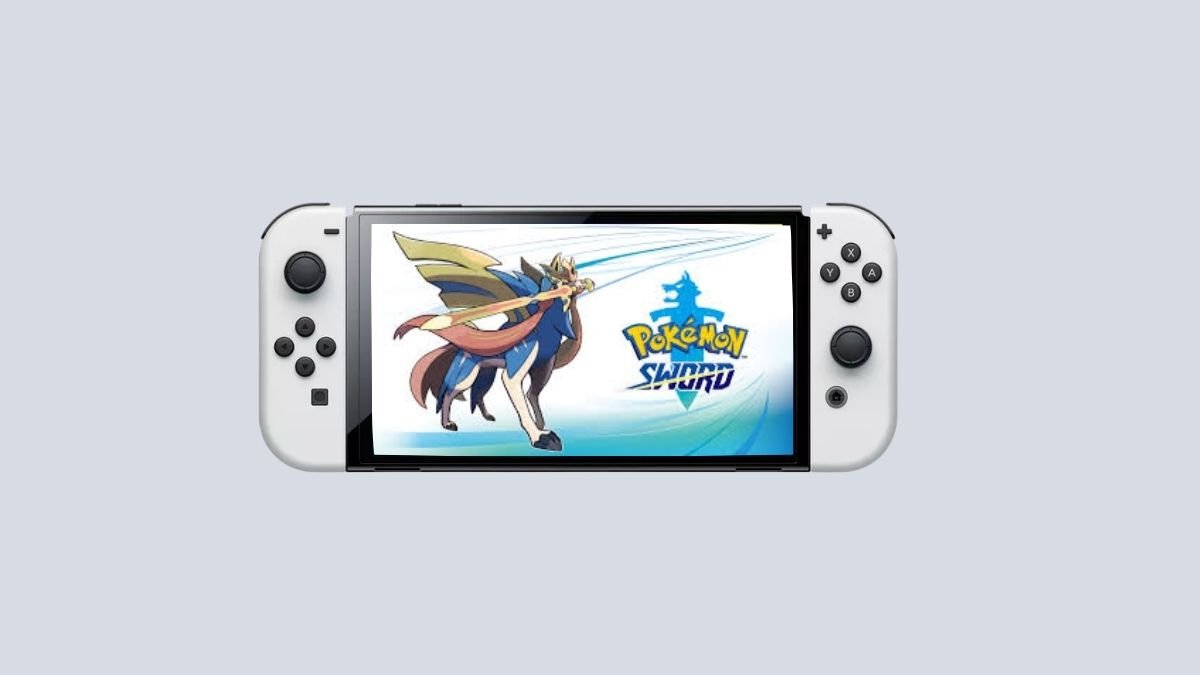
Pokémon Sword – Adventure Awaits in the Galar Region
Pokémon Sword delivers an expansive open-world RPG with the innovative Dynamax mechanic and cooperative Max Raid Battles. Critical consensus: 8.0/10.
Game Info
Verdict
Ambitious open-world evolution of the formula with innovative Dynamax battles, marred by performance inconsistencies and controversial Pokédex limitations.
Pros
- Expansive Wild Area enables organic exploration and non-linear progression
- Dynamax mechanic introduces fresh tactical layer to turn-based battles
- Max Raid Battles deliver compelling cooperative multiplayer content
- Two substantial DLC expansions (15+ hours additional gameplay)
- Robust online trading and ranked battle systems
- Accessibility features accommodate casual and hardcore players alike
- Charming Galar region with stadium-inspired gym culture
Cons
- Significant frame rate drops in Wild Area (as low as 20fps)
- Controversial Pokédex limitations (not all 890+ species available)
- Visual pop-in and inconsistent character model quality
- Overleveled Pokémon in Wild Area create balance issues
- Rushed story pacing in final chapters
- Missing Battle Frontier and post-game content compared to prior generations
Performance Notes
Locked 30fps across all Switch models. Docked: 1080p-1536p dynamic resolution with occasional dips to 20fps in Wild Area. Handheld: 720p-1024p dynamic resolution. Overall stable with minor pop-in in high-density NPC areas.
Pokémon Sword represents the franchise’s first major leap toward open-world design with the Wild Area, a sprawling region where players can catch Pokémon freely and tackle challenges in any order. The game introduces Dynamaxing, a three-turn battle transformation that fundamentally shifts tactical depth. With two substantial DLC expansions and robust online multiplayer, Sword builds on the series’ foundation while modernizing progression and accessibility. This review examines whether the technical trade-offs and controversial Pokédex limitations diminish an otherwise ambitious adventure.
How to Play Pokémon Sword
Pokémon Sword uses the classic turn-based battle system with new strategic layers. The game opens with character customization, followed by gym challenges across eight stadiums. Dynamaxing unlocks early and becomes central to strategy.
- Controls – Standard Switch controller mapping with Y button for online features; intuitive menu navigation; learning curve minimal for series veterans.
- Progression – Collect eight gym badges by defeating Gym Leaders in competitive battles; challenge the Champion Cup for rank advancement; unlock new areas through story beats.
- Combat/Mechanics – Turn-based 1v1 battles with type advantages; Dynamax for three turns per battle in specific locations; Max Moves deal area damage and alter battlefield conditions; status effects and stat modifications carry weight.
- Tips – Use Dynamax defensively early; Max Raid Battles reward rare items and experience; the Wild Area contains powerful overleveled Pokémon; stock healing items before gym battles; type coverage beats raw power.
Who Should Play Pokémon Sword
Pokémon Sword appeals to completionists seeking open-ended exploration and casual players enjoying story-driven campaigns. The accessibility options and flexible gym order suit different playstyles. Avoid if you demand exhaustive Pokédex availability or 60fps performance.
- Casual RPG Players – Non-linear progression in the Wild Area removes traditional level gates; forgiving difficulty; substantial playtime without grinding requirements.
- Online Competitive Trainers – Ranked Battle Stadium with weekly rotations; Max Raid Battles generate team-building opportunities; trading system enables competitive Pokémon assembly.
- Pokémon Collectors – Expansion Pass adds 210 Pokémon and Legendary hunts; Dynamax Adventures offer shiny hunting mechanics; cross-generation transfers via Pokémon Home.
- Skip if – You require 60fps docked performance; demand all 890+ Pokémon availability in a single title; dislike the Dynamax visual presentation; need Battle Frontier endgame content.
Pokémon Sword Platform Performance
Pokémon Sword maintains 30fps stability on Switch but shows resolution fluctuation in demanding areas. The Wild Area trades fidelity for draw distance, resulting in pop-in and variable frame pacing in high-traffic zones.
| Platform | Resolution | FPS | Notes |
|---|---|---|---|
| Switch Docked | 1080p-1536p dynamic | 30 | Drops to 20fps in Wild Area with NPCs; mostly stable during battles. |
| Switch Handheld | 720p-1024p dynamic | 30 | Consistent frame rate; resolution reduction minimal impact visually. |
| Both Modes | Dynamic resolution | 30 cap | Stadium battles locked 30fps; no performance mode available. |
| Load Times | N/A | 3-5 sec | Reasonable; minimal wait between transitions. |
Pokémon Sword System Requirements
Pokémon Sword is a Nintendo Switch exclusive with no PC version. Minimum storage of 12.4GB required; digital download strongly recommended over physical due to mandatory patches.
| Component | Requirement | Notes |
|---|---|---|
| Platform | Nintendo Switch (v2 or OLED) | Original Switch v1 performs identically; no exclusive features per model. |
| Storage | 12.4GB minimum | Physical cartridge requires additional 3GB for mandatory patch; digital faster. |
| Nintendo Switch Online | Required for online features | $4.99/month or $19.99/year; Surprise Trade, Max Raid lobbies, ranked battles require subscription. |
| Expansion Pass | $29.99 optional | Adds Isle of Armor and Crown Tundra; roughly 15 additional hours of gameplay. |
| Controller | One Joy-Con or Pro Controller | Handheld mode fully functional; no motion control requirements. |
Similar Games to Pokémon Sword
If Pokémon Sword resonates with you, these titles offer comparable blend of exploration, creature collection, and turn-based strategy with unique mechanics and settings.
- Pokémon Brilliant Diamond/Shining Pearl – Same core mechanics, smaller open world, faithful remake of classic region; 30fps stable performance; less ambitious scope.
- Fire Emblem: Three Houses – Turn-based tactics with character relationship systems; campus exploration hub; multiple story routes; tactical depth over creature collection.
- Dragon Quest XI S – Open-world turn-based RPG with party customization; 60fps performance mode; longer single-player campaign; less emphasis on collection.
- Monster Hunter: Rise – Action-focused creature hunting; gear crafting from defeated monsters; cooperative multiplayer; real-time combat versus Pokémon’s turn-based system.
Pokémon Sword vs Competitors
Pokémon Sword occupies a unique position as the generation’s flagship. Direct comparison reveals its strengths in innovation offset by technical compromises and content limitations compared to franchise history.
| Feature | Pokémon Sword | Pokémon Brilliant Diamond | Pokémon Legends: Arceus |
|---|---|---|---|
| Price | $59.99 | $59.99 | $59.99 |
| Main Story Hours | 25-45 | 21-30 | 18-25 |
| Multiplayer | Yes (raids, battles) | Yes (raids, trades) | Limited asynchronous |
| Metacritic Score | 80 | 73 | 83 |
| Open World | Yes (Wild Area) | No (linear) | Limited zones |
| DLC Available | Yes ($29.99) | No | No |
Pokémon Sword Story and World
The Galar region draws inspiration from the United Kingdom, featuring industrial sprawl alongside pastoral countryside. The narrative centers on the Dynamax phenomenon, the mysterious Legendary Pokémon Zacian and Zamazenta, and corporate malfeasance through Macro Cosmos. Team Yell serves as comic relief antagonists rather than genuine threats. The story respects player agency by allowing gym challenges in any order within the open Wild Area, though pacing suffers from uneven difficulty curves. Gym Leaders feel more like celebrity athletes than traditional rival battles, reflecting Pokémon Stadium-inspired spectacle. Major plot twists arrive late, and the ending feels rushed compared to prior generations, though the post-game Champion Cup provides closure. The narrative avoids dark tones but captures charm through character interactions and regional flavor.
Pokémon Sword Multiplayer and Online
Pokémon Sword features the franchise’s most robust online infrastructure yet. Max Raid Battles support four players cooperatively against scaled Dynamax opponents, dropping loot and rare Pokémon. The system matches random players or accepts friend link codes, making social play accessible. Ranked Battle Stadium rotates competitive tiers monthly with separate singles and doubles formats. Surprise Trade mirrors Wonder Trade, offering random trades with global trainers. Direct trading via link codes enables friend-only exchanges. Cross-generational trading requires Pokémon Home ($15.99/year for premium access). All online play mandates Nintendo Switch Online ($4.99/month or $19.99/year).
Pokémon Sword DLC and Expansions
The Expansion Pass ($29.99) provides two substantial DLC packs releasing post-launch. Isle of Armor (June 2020) introduced trainer customization, new Pokémon, and the Dynamax adventure mechanic across a tropical island region. Crown Tundra (October 2020) focuses on legendary Pokémon hunts through randomized Dynamax Adventures and adds shiny-locking mechanics. Together, DLC adds approximately 15 hours of main content, 210 Pokémon species, and cosmetic outfits. Free updates throughout 2020-2021 added competitive formats and seasonal events. No further DLC announced post-2021.
Pokémon Sword Community and Support
The Pokémon Sword community thrives on Reddit (/r/PokemonSwordAndShield) with 500k+ members sharing competitive teams, shiny hunts, and breeding guides. GameBanana hosts 1,800+ mods enhancing visual fidelity, QoL changes, and gameplay balance, though mod support remains unofficial. The Pokémon Company maintains official Discord servers with tournaments and patch notes. Developer Game Freak releases balance patches sporadically; the last significant update arrived in June 2021. Competitive ranked seasons concluded, though fan-run tournaments persist on platforms like Smogon. Community discord servers facilitate local play and trading.
Pokémon Sword Ratings and Verdict
Pokémon Sword achieves 80/100 on Metacritic among critics, balancing innovative mechanics against technical compromise and content limitations. Critic consensus: a solid entry that pushes the franchise forward despite familiar structure. User reception remains divisive due to Pokémon availability concerns and performance trade-offs in favor of scale.