
 43
43
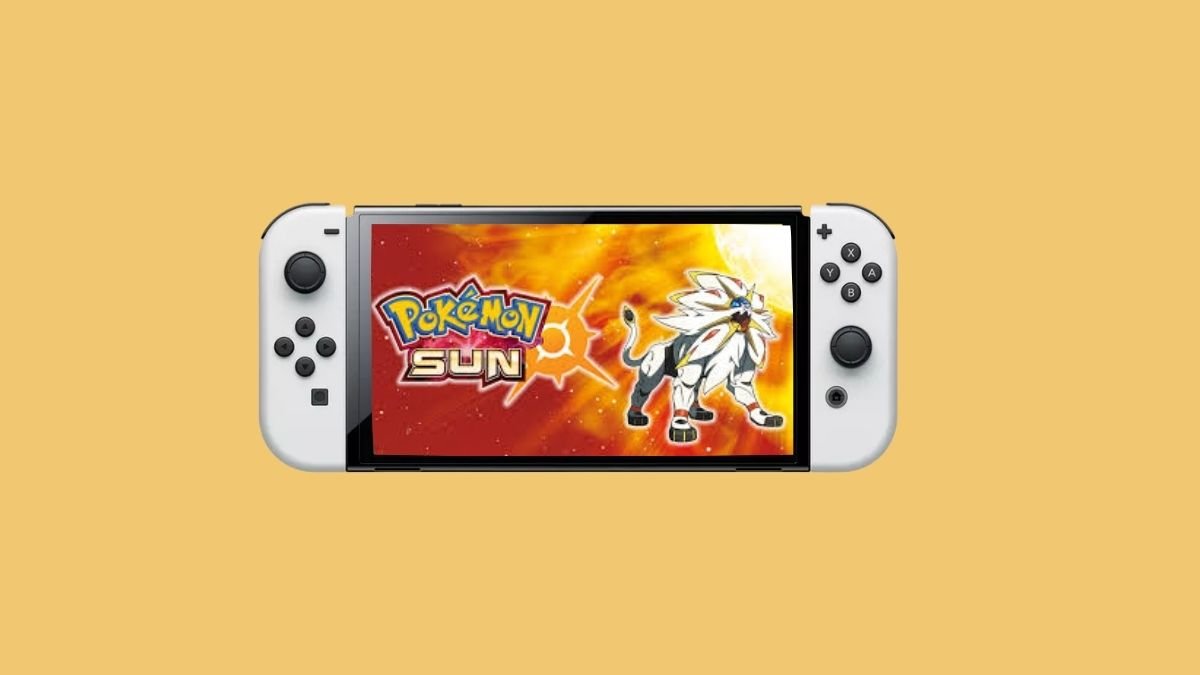
Pokémon Sun – Tropical Reinvention with Bold Narrative Changes
Island trials replace gyms, Z-Moves revolutionize combat, and HMs vanish entirely. Strongest Pokémon story since Black paired with 87 Metacritic acclaim.
Game Info
Verdict
A transformative entry replacing gyms with trials, eliminating HM slaves, and delivering the franchise's strongest narrative since Black.
Pros
- Strongest character writing and narrative depth since Black; Lillie's development emotionally resonates throughout campaign
- Island trials revolutionize progression structure; culturally respectful Hawaiian-inspired world-building
- Poke Ride system eliminates HM burden; team slots previously reserved for utility creatures enable competitive diversity
- Z-Moves introduce turn-activated superpower mechanics adding strategic depth to standard turn-based combat
- Enhanced 3D graphics and tropical soundtrack establish most aesthetically cohesive regional experience in franchise history
Cons
- Frequent story cutscenes interrupt gameplay flow; heavy narrative focus alienates action-preference players
- Alola region contains only 70 new Pokémon; limited roster depth compared to Black's 156-creature debut
- Totem Pokémon stat advantages create artificial difficulty spikes frustrating casual players
- Ultra Sun/Ultra Moon releases cannibalize player base; original Sun/Moon feel incomplete compared to enhanced versions
- Nintendo Wi-Fi Connection shutdown eliminated online trading and Battle Spot competitive matchmaking
Performance Notes
Stable 30 FPS overworld exploration on Nintendo 3DS hardware. 60 FPS during turn-based battles. Enhanced 3D graphics showcase Alola with improved environmental detail. Minor frame dips in dense Festival Plaza areas. 3D mode reduces performance to approximately 25 FPS.
Pokémon Sun released in 2016 as the seventh generation’s primary entry, celebrating the franchise’s 20th anniversary with fundamental mechanical overhauls and narrative depth rivaling only Black and White. Developed for Nintendo 3DS, Sun introduced island trials replacing traditional gym leaders, eliminated Hidden Machines through Poke Ride mechanics, and implemented Z-Moves enabling turn-activated supercharged attacks. Critical reception praised the region’s tropical design inspired by Hawaii, enhanced character writing, and exploration freedom previously absent from linear Pokémon campaigns. With 87 Metacritic score matching Black’s critical standing and ranking in OpenCritic’s 96th percentile, Sun established itself as the strongest narrative entry post-Black/White. Players seeking meaningful character relationships, exploration-driven gameplay, and mechanical innovation will discover Sun as the definitive 3DS Pokémon experience balancing accessibility with depth.
How to Play Pokémon Sun
Pokémon Sun modernizes series conventions through island-based trials replacing gym hierarchies and Poke Rides replacing hidden machine dependencies. The 33-hour narrative guides players across four islands capturing Alolan variants (regional forms) and 70 new Pokémon. The non-linear route design and accessible difficulty curve accommodate both newcomers and competitive enthusiasts seeking post-game challenging content through battle facilities.
- Controls – Nintendo 3DS circle pad and button controls enable precise overworld navigation. The improved camera system allows dynamic angle adjustments revealing previously hidden pathways. New players adapt immediately to modernized interface design within 2–3 hours.
- Progression – Four islands each present unique trial challenges culminating in totem Pokémon encounters featuring stat boosts and ally mechanics. Players advance through 33 hours of narrative before unlocking post-game Battle Tree competitive facility.
- Combat/Mechanics – Z-Moves activate once per battle, providing type-specific or stat-manipulation effects. The changed EXP Share distribution affects difficulty balancing; Poke Rides replace HMs, eliminating team space constraints during exploration.
- Tips – Disable EXP Share early if difficulty proves insufficient; experiment with Z-Move placement across team members to optimize battle strategies. Capture diverse type coverage for trial challenges; Totem Pokémon mechanics reward type advantage exploitation.
Who Should Play Pokémon Sun
Pokémon Sun appeals to narrative enthusiasts seeking character-driven storytelling exceeding typical monster-training conventions. Explorers appreciate non-linear route design rewarding curiosity and environmental engagement. Casual players benefit from the accessible difficulty, while competitive trainers utilize Battle Tree facilities for ranked progression. Franchise newcomers encounter minimal franchise history requirements, jumping directly into Alola region adventures.
- Story Lovers – Lillie, Lusamine, and secondary characters receive unprecedented character development; the narrative addresses themes of parental toxicity, personal agency, and found family through protagonists remembering interactions weeks post-release.
- Explorers – Alola’s non-grid-based pathways encourage thorough environmental exploration; hidden items, secret areas, and dynamic terrain design reward curiosity with valuable resources and rare Pokémon encounters.
- Casual Players – 33-hour narrative accommodates weekend gaming sessions; accessible difficulty and predictable level pacing ensure meaningful progression without grinding requirements.
- Skip if – Linear storytelling and frequent cutscenes frustrate players preferring minimal narrative interruptions. Turn-based battles bore action-game enthusiasts; absence of traditional gyms alienates franchise traditionalists seeking familiar structures.
Pokémon Sun Platform Performance
Pokémon Sun operates on Nintendo 3DS hardware, maintaining consistent 30 FPS during overworld exploration and 60 FPS during turn-based battles. The enhanced 3D graphics showcase Alolan region detail through improved draw distances and environmental detail compared to X/Y. Performance remains stable throughout 35+ hour playthroughs without frame rate drops during intensive multiplayer Festival Plaza interactions or post-game Battle Tree sequences.
| Platform | Resolution | FPS | Notes |
|---|---|---|---|
| Nintendo 3DS | 800×240 | 30 | Standard hardware; occasional minor frame dips in dense areas; 3D mode reduces performance to 25 FPS. |
| Nintendo 3DS XL | 800×240 | 30 | Larger screen improves visual clarity; identical performance to standard 3DS. |
| New Nintendo 3DS | 800×240 | 30 | Enhanced processor provides marginally improved load times; no frame rate improvements. |
| Emulation (PC) | 1600×480+ | 60 | Citra emulator enables upscaling to 4K; optional texture packs enhance visual fidelity beyond original hardware. |
Pokémon Sun System Requirements
Pokémon Sun functions on any Nintendo 3DS model including original, XL, and New 3DS variants. The 3.8 GB cartridge capacity accommodates enhanced graphics and pre-rendered cinematics. No internet connection required for single-player campaigns, though online trading, Battle Spot matchmaking, and Festival Plaza multiplayer features mandate active Wi-Fi connectivity. Festival Plaza integration enables asynchronous multiplayer experiences when online.
| Component | Minimum | Recommended |
|---|---|---|
| Hardware | Nintendo 3DS (Original) | New Nintendo 3DS |
| Storage | 3.8 GB cartridge | 3.8 GB cartridge |
| RAM | 128 MB system | 256 MB (New 3DS) |
| Connectivity | Local Wireless | Wi-Fi Connection (discontinued) |
| Display | 3DS Screen | New 3DS XL Screen |
Similar Games to Pokémon Sun
Monster-training RPGs offering comparable mechanical innovation and narrative depth exist across current platforms. Pokémon Ultra Sun/Ultra Moon provide enhanced Alola experiences with improved difficulty and expanded competitive options. Digimon World: Next Order delivers creature collection gameplay wrapped in exploration-driven narratives. Persona Q provides character-driven dungeon exploration on identical 3DS hardware. Yo-Kai Watch incorporates trial-like challenges within Japanese-inspired supernatural settings, appealing to audiences seeking alternative monster-training franchises.
- Pokémon Ultra Sun/Ultra Moon (3DS) – Sequel versions with alternate storylines; Necrozma forms enable competitive innovation; 84 Metacritic; identical gameplay foundation with narrative alterations.
- Pokémon X and Y (3DS) – 3D predecessors establishing base mechanics; 87–88 Metacritic; expanded Pokédex freedom versus Sun’s curated roster limitations.
- Digimon World: Next Order (PS4/Switch) – Monster raising mechanics with exploration emphasis; real-time action battles diverge from Sun’s turn-based systems.
- Yo-Kai Watch 3 (3DS) – Trial challenges and creature collection within Japanese setting; lighter narrative tone compared to Sun’s character development depth.
Pokémon Sun vs Competitors
Pokémon Sun occupies competitive territory within 3DS RPG landscape, matching critical acclaim of contemporary entries while establishing mechanical innovations distinguishing it from predecessors. Comparative analysis reveals Sun’s narrative ambition exceeding most series entries, with post-game content providing 100+ hour completionist experiences through Pokédex hunting, competitive breeding, and Battle Tree grinding. The 87 Metacritic score aligns with X/Y’s critical reception despite launching four years later, reflecting consistent franchise excellence rather than technical advancement.
| Feature | Pokémon Sun | Pokémon X/Y | Pokémon Black |
|---|---|---|---|
| Price (Launch) | $39.99 | $39.99 | $34.99 |
| Playtime (Main) | 33 hours | 30 hours | 32 hours |
| Multiplayer | Online (discontinued) | 3DS Online | Wi-Fi (discontinued) |
| Metacritic | 87 | 87–88 | 87 |
| New Pokémon | 70 | 72 | 156 |
Pokémon Sun Story and World
Pokémon Sun establishes Alola as a tropical paradise inspired by Hawaii, featuring volcanic islands, pristine beaches, and diverse biomes. The narrative diverges from franchise conventions by eliminating gym leader hierarchy through island trials—culturally-significant challenges reflecting Alola’s indigenous spiritual traditions. Lillie emerges as the emotional core, experiencing character development addressing parental toxicity and personal autonomy. Lusamine presents morally complex antagonism pursuing environmental preservation through ethically questionable methods. The 33-hour narrative explores themes of found family, cultural respect, and environmental stewardship. Musical composition features tropical instruments elevating Alola’s cultural authenticity, with compositions respecting Hawaiian musical traditions while maintaining iconic Pokémon musical identity.
Pokémon Sun Multiplayer and Online
Pokémon Sun integrated online functionality through Nintendo Network, enabling Festival Plaza social gathering spaces where players encounter random trainers for trading and battling. The GTS (Global Trade System) facilitated asynchronous Pokémon exchange with worldwide trainers. Battle Spot matchmaking systems connected competitive players through skill-based ranking. Wonder Trade provided randomized creature exchanges enabling surprise Pokémon acquisition. Multiplayer features emphasized community engagement over competitive dominance, though ranked competitive modes served hardcore battling communities seeking ELO-style progression.
- Link Trades – Direct friend or random trainer trading via Festival Plaza; GTS search functionality enables targeted species location.
- Wonder Trade – Anonymous random Pokémon exchange; community-driven charitable breeding of common species for new player distribution.
- Battle Spot – Matchmaking competitive battles with skill-based opponent selection; multiple format support (singles, doubles, triples).
- Cross-Play – Sun/Moon players interact with Ultra Sun/Ultra Moon users; no generation compatibility with generation five or earlier titles.
Pokémon Sun DLC and Expansions
Pokémon Sun received no traditional DLC due to Game Freak’s design philosophy prioritizing complete base-game experiences. Post-launch support centered on Wi-Fi distributions including event legendaries (Tapu Koko, Tapu Lele, Tapu Bulu, Tapu Fini). Pokémon Ultra Sun and Ultra Moon (2017) served as enhanced versions rather than expansions, providing alternate narratives and expanded Pokémon availability. Free software updates introduced new Z-Moves and competitive format adjustments. Battle Spot seasonal competitions provided limited-time challenge events rewarding cosmetic items and competitive progression.
- Tapu Legendary Distributions – Event-exclusive regional guardians; Wi-Fi download requirement during limited windows; enables competitive-legal Pokémon acquisition.
- Z-Move Updates – Free software patches introduced new Z-Moves for specific Pokémon pairs; no additional purchase requirements.
- Battle Spot Seasons – Ranked competitive seasons with monthly rule changes; cosmetic rewards for participation milestones.
- Free Updates – Stability patches and competitive balance adjustments throughout 2017; no feature expansion updates post-Ultra Sun/Ultra Moon release.
Pokémon Sun Community and Support
Pokémon Sun fostered dedicated communities across Serebii.net, Bulbapedia, Reddit’s r/pokemon subreddit, and Discord servers enabling collective knowledge-sharing regarding trial strategies, Pokédex completion, and competitive team building. Game Freak maintained social media communication channels disseminating event information and competitive format announcements. Fan communities produced detailed breeding guides optimizing perfect IV Pokémon generation and nature selection methodologies. Competitive players organized grass-roots tournaments and online ranking systems tracking ELO progression through Battle Spot interactions. Official Nintendo and Pokémon Company esports initiatives legitimized competitive Sun/Moon formats through regional and international championship circuits.
- Official Communities – Nintendo Network forums hosted seasonal event registration; official Pokémon website maintains legacy event archival.
- Reddit/Discord – r/pokemon contains active Sun/Moon discussion archives; dedicated r/PokeSunMoon subreddit maintains focused community; Discord servers facilitate current-generation trading.
- Mod Support – ROM hacking enabled through similar tools as Black; Alola region remakes create texture enhancements; native modding limited by cartridge architecture.
- Updates – Online services continued post-release through 2019; official Nintendo support discontinued 2020; emulation communities maintain online servers enabling continued multiplayer access.