
 24
24
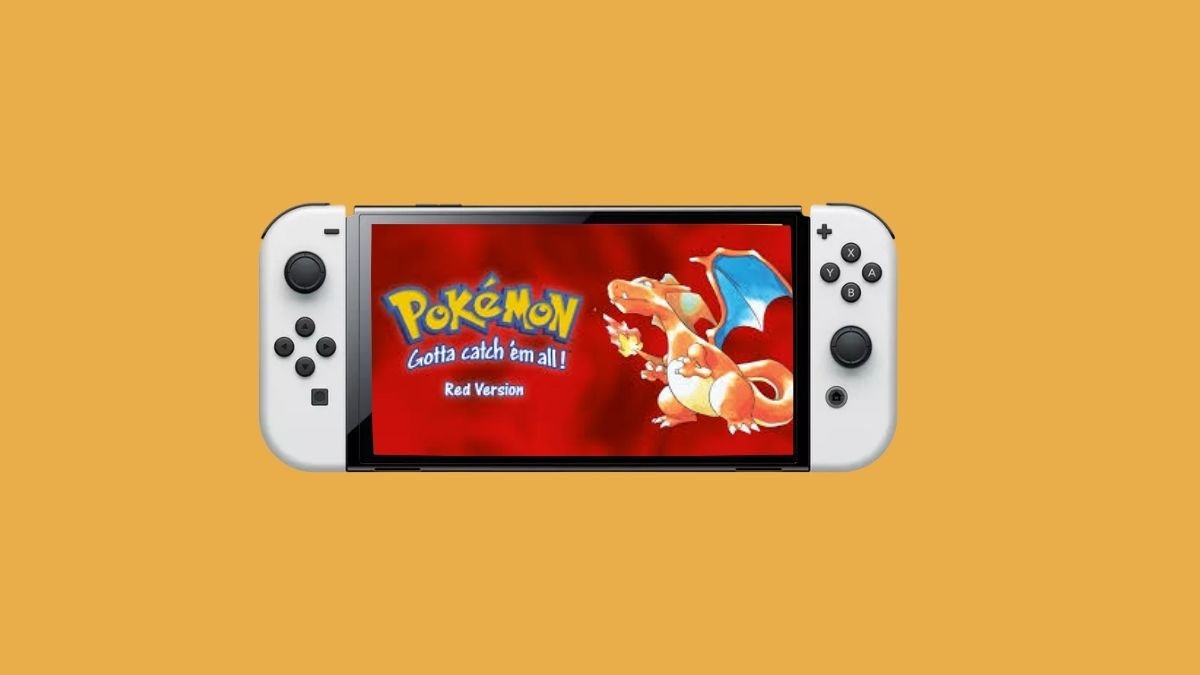
Pokémon Red – The RPG That Started It All
The game that ignited a global phenomenon. Pokémon Red holds an 88% aggregate score on GameRankings with universal praise for its revolutionary multiplayer trading system.
Game Info
Verdict
Pokémon Red's timeless design and revolutionary trading mechanics cement its legacy as the game that defined monster-collecting gameplay.
Pros
- Revolutionary trading and multiplayer mechanics that incentivized social play
- Addictive 30-40 hour campaign with compelling creature collection incentive
- Perfectly balanced progression curve across eight gyms and the Elite Four
- Exceptional value at $35 retail: replayable postgame completion challenge
- Perfect 10/10 from IGN for masterful design and lasting appeal
Cons
- Minimal narrative depth; story serves only as progression scaffold
- Sprite work repeated heavily across encounters due to ROM storage limits
- Two-shade Game Boy display limited visual clarity and charm
- Monochrome presentation dated immediately after Game Boy Color release
- Level pacing uneven: early gyms trivial, post-game grind required for completion
Performance Notes
Ran on original Game Boy (160x144 monochrome LCD) at ~60 FPS with consistent frame delivery. Game Boy Color enhanced the visual experience with full color palette. Virtual Console emulation (2016) preserved original performance characteristics. No frame drops or technical issues on any platform.
Pokémon Red represents a watershed moment in gaming history. Released in Japan as “Pocket Monsters Red” in February 1996, this Game Boy title introduced players to a new gameplay philosophy: capturing, training, and trading creatures across a linked cable connection. Critics celebrated its addictive progression loop and social multiplayer features, with IGN awarding a perfect 10/10 and praising the game’s 30-40 hour campaign length. While some reviewers questioned the repetitive sprite work and limited narrative depth, the game’s fundamental design proved so compelling that it sold over 30 million copies worldwide—becoming one of the best-selling Game Boy titles ever. This review examines Pokémon Red’s historical significance, lasting design principles, and how it defined an entire gaming generation through its ingenious mechanics and cultural impact.
How to Play Pokémon Red
Pokémon Red is a turn-based RPG where players journey through the Kanto region, catching wild creatures and training them to battle gym leaders. The core loop involves exploration, random encounters, and strategic turn-based combat. New players catch on quickly, though type advantages and move selection add meaningful depth.
- Controls – Directional pad moves your character; buttons select menu options. Very simple learning curve for an RPG of this era.
- Progression – Catch Pokémon in the wild using Pokéballs, train them by battling, and advance through eight gym battles to reach the Elite Four.
- Combat/Mechanics – Each Pokémon knows up to four moves (physical attacks, special moves, status effects). Type matchups (fire beats grass, water beats fire, etc.) create strategic depth in otherwise straightforward turn-based battles.
- Tips – Catch Pokémon early and maintain a balanced team across different types. Train a full roster rather than over-leveling one creature; use status moves (paralyze, poison, sleep) to gain advantages in tough battles.
Who Should Play Pokémon Red
Pokémon Red appeals to RPG enthusiasts, collectors, and anyone interested in gaming history. Its accessibility makes it welcoming to newcomers, while its Pokedex completion challenge satisfies completionists. The social trading feature rewards players with friends who also own the game.
- RPG Veterans – Players comfortable with turn-based combat who want to experience the franchise’s origins and understand why Pokémon became a cultural phenomenon.
- Completionists – The 151 Pokémon challenge requires trading with other players to catch them all; trading mechanics reward patience and social play.
- Handheld Gaming Fans – Portable RPGs with engaging progression loops remain Pokémon Red’s strongest appeal, even by modern standards.
- Skip if – You dislike turn-based combat, have no patience for random encounters, or expect modern graphics and storytelling depth. The narrative is minimal; level design is functional rather than artistic.
Pokémon Red Platform Performance
Pokémon Red ran on the original Game Boy monochrome hardware in Japan (1996) and Game Boy Color in international releases (1998-1999). Performance was consistent: steady frame rates with no technical hiccups, though the two-shade green display limited visual clarity by modern standards. Virtual Console re-releases (2016) preserved the original experience with no alterations.
| Platform | Resolution | Frame Rate | Display Notes |
|---|---|---|---|
| Game Boy (Original) | 160×144 | ~60 FPS | Monochrome LCD, 2.5-inch screen; olive-green tint; visible ghosting effect |
| Game Boy Pocket | 160×144 | ~60 FPS | Improved LCD with true black-and-white display, eliminated ghosting |
| Game Boy Color | 160×144 | ~60 FPS | Full color palette; enhanced sprites and rendering; international standard version |
| Nintendo 3DS Virtual Console | 160×144 | ~60 FPS | Upscaled via emulation; pixel-perfect filtering optional; released February 2016 |
Pokémon Red System Requirements
Pokémon Red required minimal hardware: a Game Boy with cartridge compatibility. ROM size was just 512 KB, making it one of the smallest major releases. Game Boy Pocket and Game Boy Color offered enhanced experiences but were not required.
| Component | Game Boy (Original) | Game Boy Color (Enhanced) |
|---|---|---|
| Hardware | Nintendo Game Boy (DMG-01) | Nintendo Game Boy Color |
| Cartridge | Game Pak (ROM-only) | Game Pak with color support |
| ROM Size | 512 KB | 512 KB |
| RAM | 8 KB SRAM | 8 KB SRAM + 32 KB banked VRAM |
| Battery | Four AA batteries (4-15 hours playtime) | Four AA batteries (10-30 hours playtime) |
Similar Games to Pokémon Red
Pokémon Red defined the monster-collecting formula, but earlier Japanese RPGs influenced its design. Dragon Quest established turn-based combat systems in handheld gaming, while Megami Tensei (1987) pioneered creature recruitment mechanics. Later generations refined Red’s template without fundamentally changing its structure.
- Dragon Quest (Game Boy, 1986) – Turn-based RPG with random encounters; simpler progression but established portable JRPG conventions that Pokémon Red perfected.
- Pokémon Blue/Green (1996 Japan) – Parallel version with different Pokémon rosters and alternate trainer encounters; functionally identical gameplay, requiring trade for full Pokédex.
- Pokémon Yellow (1998) – Third version following Red/Blue with Pikachu as starter; updated sprites, enhanced story beats, but nearly identical mechanics.
- Megami Tensei (1987, Famicom) – Spiritual predecessor introducing demon recruitment; influenced Pokémon’s collection philosophy but featured darker mythology and more complex demon evolution.
Pokémon Red vs Competitors
Pokémon Red stood unchallenged in its monster-collecting genre during the 1990s. While other RPGs like Dragon Quest and Final Fantasy offered deeper narratives on handheld systems, none combined collecting, trading, and social play into a coherent package. Red’s critical and commercial dominance was decisive.
| Feature | Pokémon Red | Dragon Quest (Game Boy) | Final Fantasy Legend II |
|---|---|---|---|
| Release Year | 1996 (Japan), 1998 (NA) | 1986 | 1992 (Japan), 1991 (NA) |
| Playtime | 30-40 hours (main), 100+ (completion) | 25-30 hours | 35-40 hours |
| Trading Mechanic | Yes (core feature) | No | No |
| Creature Collection | Yes (151 species) | No | Limited |
| GameRankings Score | 88% | ~75% | ~72% |
Pokémon Red Story and World
Pokémon Red places players in the Kanto region, a fictional world inhabited by 151 collectable creatures. The narrative is deliberately sparse: you begin in Pallet Town and journey toward eight gym leaders before challenging the Elite Four. Your rival, a brash trainer named Blue, constantly blocks your path, and the criminal organization Team Rocket plots to capture rare Pokémon. The worldbuilding emphasizes freedom and exploration rather than exposition; towns are small but distinct, populated by NPCs offering optional advice. Environmental design is functional—routes connect meaningfully without arbitrary backtracking—and the minimal story keeps focus on the core loop: catching, training, and battling. The Kanto setting became iconic not through elaborate narrative but through player memories of discovery and growth.
Pokémon Red Multiplayer and Online
Pokémon Red’s social features were revolutionary for 1996. The Game Link Cable—a physical connection between two Game Boys—enabled direct creature trading and one-on-one battles. This mechanic forced players to cooperate: certain Pokémon evolved only when traded, making the multiplayer system integral to completion rather than optional content. Trading enabled version exclusivity (Red had different creatures than Blue), ensuring players had incentive to trade with others.
- Link Cable Trading – Two players physically connected their Game Boys to exchange Pokémon; required for catching all 151 creatures and for triggering trade-evolution mechanics.
- Link Cable Battles – One-on-one competitive battles between players; encouraged team-building strategy and meta-development through community play.
- Version Exclusivity – Red and Blue versions featured different rosters of 25 creatures each, forcing players to trade with owners of the other version.
- Cross-Compatibility – Game Boy, Game Boy Pocket, and Game Boy Color cartridges were compatible; no online connectivity (Internet was unavailable on handheld devices in 1996).
Pokémon Red DLC and Expansions
Pokémon Red received no post-launch DLC in its original 1996 release. Nintendo’s distribution model relied on physical cartridge sales without digital content systems. However, the franchise released multiple spin-offs and enhanced versions over subsequent decades, providing extended content through separate products rather than traditional DLC.
- Pokémon Blue Version (1996 Japan, 1998 NA) – Standalone cartridge release with different Pokémon rosters and cosmetic changes; functionally a third-version competitor rather than expansion.
- Pokémon Yellow (1998-1999) – Enhanced third version featuring Pikachu as starter and updated visual presentation; additional story content but identical core mechanics.
- Pokémon FireRed (2004) – Complete remake on Game Boy Advance with updated graphics, mechanics, and additional creatures; required separate $35 purchase.
- Pokémon Red Virtual Console (2016) – Emulated re-release for Nintendo 3DS as part of the 20th Anniversary celebration; included pixel-filtering options but no new content.
Pokémon Red Community and Support
Pokémon Red became a generational touchstone through playground trade networks and printed strategy guides. Official Nintendo Power magazine featured regular coverage and trading guides. The community maintained strong engagement through the 1990s via mail-based Pokémon trading clubs and international competitions sponsored by Nintendo. Modern communities preserve the game through speedrunning, ROM hacking, and competitive rulesets.
- Nintendo Official Support – Nintendo Power magazine featured monthly Pokémon strategy guides, trading lists, and event announcements from 1996-2010.
- Community Sites – PokemonDatabase.net and Bulbapedia maintain comprehensive guides, Pokédex data, and historical information; Reddit communities on r/pokemon and r/retrogaming remain active.
- ROM Hacking and Fan Projects – PokéCommunity and GitHub host thousands of fan-made modifications, balanced variants, and quality-of-life improvements for the original Game Boy cartridges.
- Speedrunning – Pokémon Red Any% and Glitchless categories remain popular on speedrun.com; world records under 1:45:00 demonstrate sophisticated sequence-breaking techniques.