
 25
25
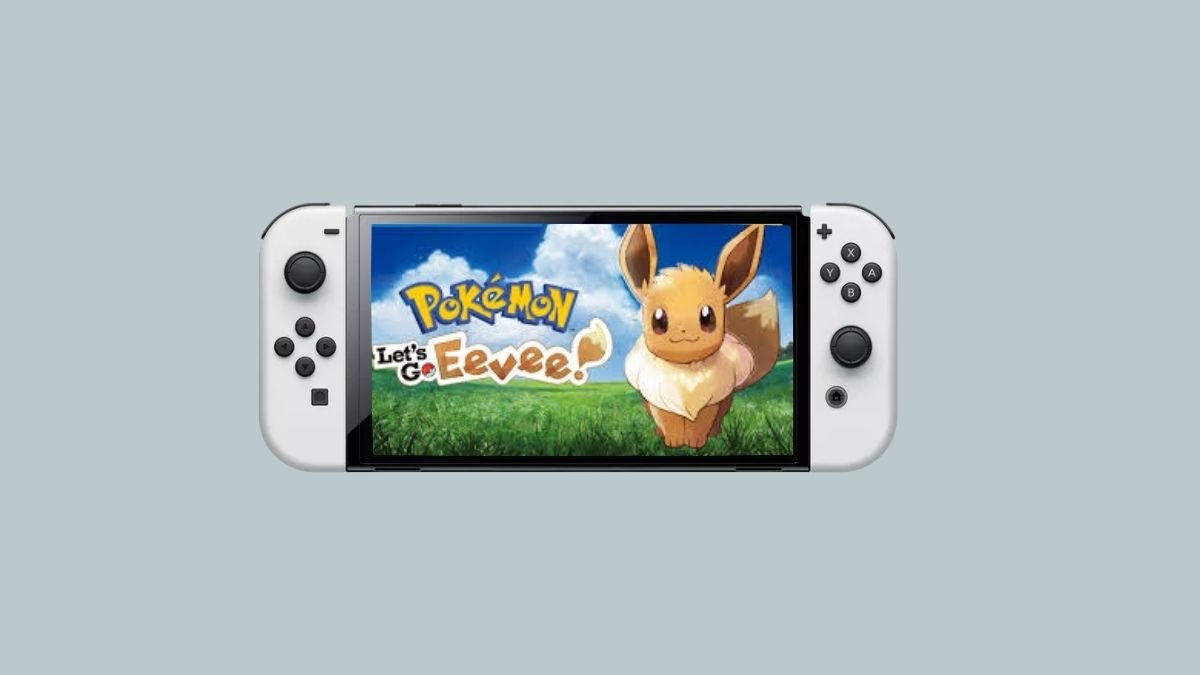
Pokémon: Let’s Go, Pikachu! and Eevee – Nostalgic Reimagining
Accessible remake of the original Red/Blue that simplifies core mechanics and integrates Pokémon GO features. Metacritic: 82/100 critics, 4.8/10 users.
Game Info
Verdict
Accessible Pokémon entry that sacrifices franchise depth for newcomer appeal, delivering nostalgia while generating fierce debate about feature removal versus streamlining.
Pros
- Excellent entry point for Pokémon newcomers and younger players
- Pokémon GO integration creates meaningful cross-platform progression
- Motion controls add tactile satisfaction to creature capture
- Local two-player co-op enables shared experience
- Nostalgic Kanto recreation with modern visual polish
- Straightforward pacing avoids traditional RPG grinding
Cons
- Removed held items, abilities, and stat optimization reduce strategic depth
- Limited Pokédex (151) compared to 800+ available creatures
- Motion controls inconsistent in handheld mode
- Mew locked behind $50 controller accessory
- Severely polarized critical versus user reception signals design philosophy divide
- Minimal post-launch support compared to contemporary Nintendo titles
Performance Notes
Maintains 60 fps docked (1080p) and handheld (720p) modes. Minor framerate inconsistencies during double trainer battles. Graphics demonstrate Switch capability at launch; visual complexity age visible by 2025 standards. Motion controls smooth with optional Pro Controller support.
Pokémon: Let’s Go represents Game Freak’s calculated gamble to bridge Pokémon GO newcomers with mainline series veterans. Released November 2018, this Kanto region reimagining strips away 20 years of mechanical complexity in favor of approachability and motion controls. Critics applauded accessibility and nostalgic charm; hardcore communities criticized removed features as content deletion disguised as simplification. Sales exceeded two million units despite polarized reception. This review navigates the divide between innovation and tradition that defines Let’s Go’s controversial legacy.
How to Play Pokémon: Let’s Go, Pikachu! and Eevee
Remake of the original 1996 Red/Blue that replaces traditional random wild battles with motion-controlled capture mechanics inspired by Pokémon GO. Trainer battles retain traditional turn-based combat while exploration emphasizes catching over grinding.
- Controls – Joy-Con motion throws or Pro Controller button presses for wild Pokémon capture; learning curve minimal for casual audiences
- Progression – Travel through Kanto defeating eight gym leaders and battling Team Rocket; capture Pokémon replaces traditional grinding
- Combat Mechanics – Trainer battles use traditional turn-based system; stat moves, held items, abilities remain unchanged from mainline titles
- Tips – Stock Poké Balls and berries for wild encounters; partner Pikachu/Eevee’s special move becomes devastating in trainer battles
Who Should Play Pokémon: Let’s Go, Pikachu! and Eevee
Designed for newcomers unfamiliar with traditional RPG mechanics and players nostalgic for generation-one Pokémon. Pokémon GO alumni transition seamlessly. Hardcore competitive players require comprehensive movesets and stat optimization less rewarding here.
- Pokémon GO Players – Familiar mechanics and same 151 generation-one roster translate directly
- New RPG Players – Streamlined systems eliminate traditional barriers to entry
- Nostalgic Veterans – Reimagined Kanto with modern graphics and quality-of-life improvements
- Skip if – You demand extensive Pokédex (153 of 807+ available), competitive multiplayer depth, or traditional random encounters
Pokémon: Let’s Go, Pikachu! and Eevee Platform Performance
Optimized for Nintendo Switch with solid performance across docked and handheld modes. The game maintains 60 fps during standard gameplay, though slight inconsistencies emerge during camera transitions and double trainer battles. Graphics demonstrate Switch capability with detailed character models and environment rendering that impressed at launch but show age by 2025 standards.
| Platform | Resolution | FPS | Notes |
|---|---|---|---|
| Nintendo Switch (Docked) | 1080p | 60 | Consistent performance; rare frame dips during doubles battles |
| Nintendo Switch (Handheld) | 720p | 60 | Maintains parity with docked; acceptable battery drain |
| Nintendo Switch (Tabletop) | 720p | 60 | Motion controls fully supported; Joy-Con detached recommended |
Pokémon: Let’s Go, Pikachu! and Eevee System Requirements
Nintendo Switch exclusive with no PC or alternative platform versions. Standard storage requirements modest by modern standards; 32 GB internal storage accommodates digital purchases comfortably. Poké Ball Plus controller optional but recommended for motion control enthusiasts; standard Joy-Cons or Pro Controller fully functional alternatives.
| Component | Nintendo Switch Requirement |
|---|---|
| Console | Nintendo Switch (any model including Switch Lite) |
| Storage Required | 3-5 GB (digital version) |
| RAM (Internal) | 4 GB (console-level, user cannot modify) |
| Control Options | Joy-Con (included), Pro Controller, Poké Ball Plus (sold separately) |
| Internet Connection | Optional for link battles and Pokémon GO connectivity |
Similar Games to Pokémon: Let’s Go, Pikachu! and Eevee
Few titles combine casual RPG accessibility with motion controls and creature-collecting mechanics. Let’s Go occupies unique market positioning. Alternative mainstream RPGs demand higher mechanical complexity. Pokémon spin-offs diverge into entirely different genres. Nintendo-exclusive positioning limits direct competition.
- Pokémon Sword and Shield – Traditional mainline entries with comprehensive Pokédex and competitive depth
- Pokémon Legends: Arceus – Action-focused spin-off experimenting with real-time capture mechanics
- Temtem – Indie creature-collector emphasizing strategic multiplayer over casual accessibility
- Yo-Kai Watch – Similar creature-collecting formula with distinct mechanics and IP
Pokémon: Let’s Go, Pikachu! and Eevee vs Competitors
Let’s Go dominates mainstream casual RPG market through Pokémon IP dominance. Competitive titles either emphasize hardcore mechanics (Sword/Shield) or diverge into entirely different genres (Legends: Arceus). Price parity reflects standard Nintendo Switch game positioning. Substantially higher user review disconnect signals design philosophy disagreement rather than technical failure.
| Feature | Let’s Go Pikachu/Eevee | Pokémon Sword and Shield | Legends: Arceus |
|---|---|---|---|
| Price | $59.99 | $59.99 | $59.99 |
| Playtime (Story) | 25-30 hours | 30-35 hours | 25-30 hours |
| Pokémon Available | 151 | 400+ | 242 |
| Motion Controls | Yes | No | No |
| Critic Score | 82 | 80 | 77 |
| User Score | 4.8 | 6.1 | 6.4 |
Pokémon: Let’s Go, Pikachu! and Eevee Story and World
Faithful Kanto region recreation interpolates anime aesthetic into game form. Narrative follows generation-one formula: collect eight badges, defeat Elite Four, confront Team Rocket’s sinister ambitions. Environmental storytelling emphasizes locations over plot exposition. The story serves as framework for exploration and collection rather than character-driven narrative. Companion Pikachu or Eevee displays personality through animations and status effects. Iconic locations like Viridian Forest and Mount Moon receive visual overhaul while maintaining original geography. The tone prioritizes childhood nostalgia over sophisticated storytelling, targeting players who consumed 1990s anime content.
Pokémon: Let’s Go, Pikachu! and Eevee Multiplayer and Online
Two-player simultaneous local play enables partner-based progression. Online link battles available for competitive engagement. Pokémon GO connectivity allows transferring creatures from mobile version into Let’s Go, creating cross-platform progression bridge. Nintendo Switch Online subscription required for online functionality but not mandatory for offline play.
- Local Co-op – Second player joins mid-campaign using detached Joy-Con; shared progression and experience gains
- Link Battles – Online trainer battles against other players using custom teams
- Pokémon GO Integration – Transfer Pokémon GO catches directly into Let’s Go inventory
- Trade System – Local and online trading between players for Pokédex completion
Pokémon: Let’s Go, Pikachu! and Eevee DLC and Expansions
No traditional DLC released. Mythical Pokémon (Mew) available exclusively through Poké Ball Plus controller purchase at separate $49.99 cost. No season pass, expansion packs, or additional story content released post-launch. Game represents complete content offering at base purchase price aside from controller-gated mythical unlock.
- Poké Ball Plus Controller – Includes mythical Pokémon Mew; sold separately for $49.99
- Mew Availability – Controller-locked; cannot be obtained through in-game methods
- No Expansion Pass – Contrasts sharply with later mainline titles implementing paid DLC
- Post-Launch Support – Stability patches and bug fixes continued minimally
Pokémon: Let’s Go, Pikachu! and Eevee Community and Support
Active subreddit communities maintain engagement despite post-launch developer neglect. Competitive multiplayer community established leaderboards and tournament circuits. Official Nintendo forums less active than player-managed Discord servers. Streaming community substantial; Let’s Go speedrunning competitions attract thousands of concurrent viewers annually. Trading communities remain vibrant due to Pokédex completion incentives.
- Official Channels – Nintendo forums provide patch notes; developer communication minimal post-2019
- Reddit Community – r/PokemonLetsGo hosts 50,000+ members discussing strategy and collection
- Competitive Community – Organized tournaments with prize pools in online battle circuits
- Speedrunning Community – Active speedrunning category with sub-2-hour any% runs