
 56
56
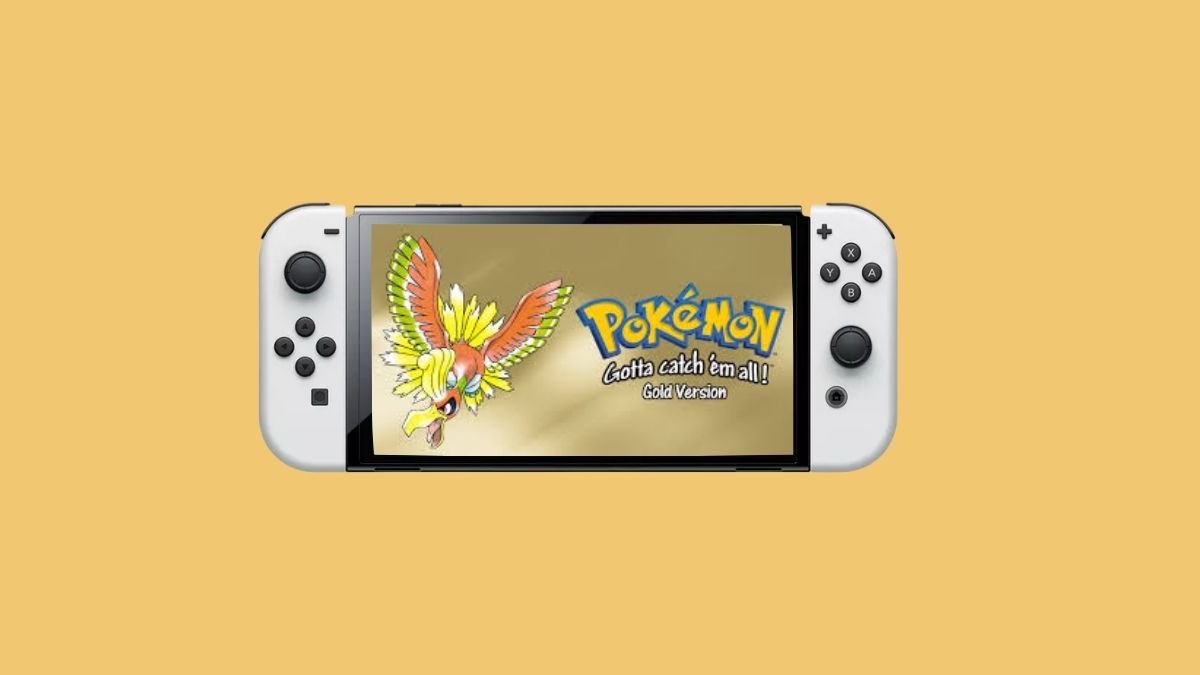
Pokémon Gold – Generation II’s Ambitious Sequel
The bold sequel that doubled the Pokédex and introduced time-of-day mechanics. Pokémon Gold holds an 89% GameRankings score and remains a landmark JRPG achievement.
Game Info
Verdict
Pokémon Gold masterfully expands its predecessor, doubling creatures and regions while introducing time-of-day mechanics that felt revolutionary for turn-based RPGs.
Pros
- Ambitious scope: 100 new creatures, dual regions, breeding mechanics—nearly double Red's content
- Time-of-day system changed encounter rates significantly, rewarding temporal awareness
- Breeding systems introduced deep competitive meta; move inheritance created strategic family planning
- Backward compatibility with Red/Blue via Time Capsule; generational connectivity felt unprecedented
- World design respects player agency; entire regions can be bypassed without breaking progression
Cons
- Mid-game level curve extremely punishing; Kanto region's low-level Pokémon create difficulty cliff after Johto
- Monochrome Game Boy compatibility forced visual compromise; Game Boy Color recommended feature, not included
- Dungeons with persistent random encounters create pacing problems in late-game grinding
- Story remains minimal despite expanded world; character motivations often unclear
- 1 MB ROM capacity created technical bottleneck limiting move animations and background variety
Performance Notes
Ran on Game Boy Color at consistent ~60 FPS; backward compatible with monochrome Game Boy (reduced visual fidelity). 1 MB ROM doubled Red's capacity, allowing 100 new creatures and refined mechanics. Virtual Console emulation (2017) preserved original performance with time-cycle adjustments for system compatibility.
Pokémon Gold represents ambition at the limit of 1990s handheld technology. Released in Japan in November 1999 and North America in October 2000, this Game Boy Color title introduced 100 new creatures, time-of-day cycles affecting encounters, and the Johto region—seamlessly connected to the original Kanto. Development took nearly four years due to Game Freak’s simultaneous work on Pokémon Stadium and Red/Blue localization, but the extended timeline produced a game that IGN scored 10/10 and critics praised as the franchise’s artistic peak. With 89% aggregation on GameRankings (Gold) and 91% (Silver), Pokémon Gold balanced mechanical innovation against scope—the Game Boy Color’s 32 KB VRAM allowed richer visuals than Red, yet cartridge limits forced difficult design decisions. This review explores Gold’s design philosophy, technical achievement, and lasting influence on open-ended JRPG design.
How to Play Pokémon Gold
Pokémon Gold follows Red’s turn-based framework but expands significantly. Players capture 251 total creatures across two connected regions, facing gym leaders twice, and the time-of-day system determines encounter rates and available Pokémon—night encounters yield different species than day. The game respects player choice: you can skip entire optional regions and still complete the campaign, but the Pokédex demands exploration.
- Controls – Identical to Red: directional pad for movement, buttons for menu selection. Learning curve is trivial for players familiar with the original.
- Progression – Start in New Bark Town (Johto), defeat eight gym leaders in new locations, travel to the original Kanto region, and challenge eight more gyms before the Elite Four.
- Combat/Mechanics – Expanded move pool (261 moves vs. 165 in Red); held items modify battle outcomes; new type effectiveness (Dark, Steel types); breeding mechanics introduce family evolution lines requiring strategic planning.
- Tips – Monitor time-of-day for Pokémon availability; breeding creates higher-IV creatures for competitive advantage. Items held by Pokémon provide stat boosts—prioritize catching Pokémon with useful held items during wild encounters.
Who Should Play Pokémon Gold
Pokémon Gold appeals to players seeking deep Pokédex completion challenges, JRPG fans comfortable with 30-40 hour campaigns, and anyone interested in how sequels expand genre conventions. The dual-region structure and time-of-day system offer complexity without sacrificing accessibility. Collectors and competitive players found significant depth.
- Pokémon Red Veterans – This is the definitive sequel, offering double the creatures and refined mechanics; essential for fans seeking narrative continuation in Kanto.
- Completionists – Catching all 251 Pokémon requires trading, breeding, time-of-day awareness, and access to version exclusives; the challenge rewards systematic planning.
- JRPG Enthusiasts – Gold’s 40-50 hour completion time rivals Final Fantasy and Dragon Quest, with better pacing and more flexible progression than most turn-based RPGs.
- Skip if – You expect tight narrative storytelling (Gold’s plot remains minimal), dislike random encounters in the 40% of dungeons that regenerate them, or lack patience for trading-dependent completion.
Pokémon Gold Platform Performance
Pokémon Gold was optimized for Game Boy Color’s enhanced hardware, releasing simultaneously on both Game Boy Color and backward-compatible Game Boy cartridges. The Game Boy Color version displayed full color sprites and backgrounds; the monochrome Game Boy version presented identical gameplay in four shades of gray. Performance remained solid: consistent ~60 FPS frame rates across both platforms with no stuttering during encounters or battles.
| Platform | Resolution | Frame Rate | Display Notes |
|---|---|---|---|
| Game Boy (Color Cartridge) | 160×144 | ~60 FPS | Full color display on Game Boy Color; backward-compatible with monochrome Game Boy (four-shade rendering) |
| Game Boy Pocket | 160×144 | ~60 FPS | Monochrome palette forced palette remapping; cartridge assumed Pocket’s black-and-white display |
| Game Boy Color | 160×144 | ~60 FPS | Dedicated color palette; enhanced sprites and backgrounds; visual fidelity improved significantly from Red |
| Nintendo 3DS Virtual Console | 160×144 | ~60 FPS | Emulated release September 2017; pixel-filtering optional; removed time-based features due to 3DS date/time incompatibility |
Pokémon Gold System Requirements
Pokémon Gold occupied 1 MB ROM (double Red’s 512 KB), nearly maxing Game Boy Color’s standard cartridge capacity. The expanded Pokédex and move database justified the doubled storage. Game Boy Color had 32 KB dedicated VRAM (vs. 8 KB original Game Boy) allowing richer tile palettes and animated backgrounds—Gold utilized this fully. Battery life remained 10-30 hours depending on cartridge revision.
| Component | Game Boy (Monochrome) | Game Boy Color |
|---|---|---|
| Hardware Requirement | Nintendo Game Boy or Game Boy Pocket | Nintendo Game Boy Color (recommended) |
| Cartridge Type | Color cartridge (backward compatible) | Game Boy Color optimized cartridge |
| ROM Size | 1 MB (1024 KB) | 1 MB (1024 KB) |
| RAM | 8 KB SRAM + 8 KB VRAM (monochrome mode) | 8 KB SRAM + 32 KB banked VRAM (color mode) |
| Battery Life | 10-20 hours (monochrome Game Boy) | 10-30 hours (Game Boy Color) |
Similar Games to Pokémon Gold
Pokémon Gold’s dual-region design and sequel scope mirrored expanded RPG sequels, though few handheld predecessors attempted such ambition. Final Fantasy II added job system complexity to the original’s framework; Dragon Quest II introduced a second continent. Gold synthesized these approaches while introducing time-of-day dynamics—a feature borrowed from Harvest Moon (1996).
- Pokémon Red/Blue (1996) – The direct predecessor; Gold refines all mechanics while doubling content. Mechanically similar but notably expanded in scope and depth.
- Final Fantasy II (1988, SNES) – Expanded sequel with new mechanics; established template for significant mechanical improvements over originals without losing core identity.
- Dragon Quest II (1987, Famicom) – Introduced dual-protagonist structure and expanded world scope; similarly attempted to justify sequel existence through meaningful mechanical addition.
- Harvest Moon (1996, SNES) – Pioneered real-time day/night cycles in console gaming; Gold adapted this concept to turn-based encounter mechanics.
Pokémon Gold vs Competitors
Pokémon Gold faced no direct monster-collecting competitors by 2000. Dragon Quest’s family-based sequel was narrative-focused rather than collection-driven; Mega Tensei offered darker aesthetics but less accessibility. Gold’s market position was essentially unopposed, allowing aggressive scope expansion without competitive pressure.
| Feature | Pokémon Gold | Dragon Quest III (GBC port) | Final Fantasy Legend III |
|---|---|---|---|
| Release (Original) | 1999 (Japan), 2000 (NA) | 1987 (original), 1999 (GBC port) | 1991 (Japan), 1993 (NA) |
| Playtime | 40-50 hours (main), 150+ (completion) | 35-40 hours | 40-45 hours |
| Creature/Monster Collection | Yes (251 total, 100 new) | Limited monster taming | Limited |
| Dual Regions/Extended World | Yes (Johto + Kanto) | Single large overworld | Time travel system (3 eras) |
| Time-of-Day Mechanics | Yes (affects encounters) | No | No |
| GameRankings Score | 89-91% | ~81% (GBC port) | ~79% |
Pokémon Gold Story and World
Pokémon Gold doubles down on exploration and player agency, abandoning Red’s minimal narrative. The Johto region—inspired by the Kanto Prefecture but with distinct cities—introduces a more coherent ecosystem: legendary beasts roam the overworld, Team Rocket has splintered into regional cells, and returning to Kanto creates narrative symmetry (defeating your rival Blue as champion). The time-of-day system adds environmental storytelling: night encounters feature nocturnal creatures; daytime routes differ substantially. Dungeon design respects player choice: most areas can be bypassed entirely, yet optional routes contain powerful creatures and rare items. The Burned Tower in Ecruteak City tells story through environment—a ruined structure with lore implications that the game never explicitly states. This philosophy—show don’t tell—characterizes Gold’s worldbuilding: Johto feels lived-in, populated, and reactive to player exploration.
Pokémon Gold Multiplayer and Online
Pokémon Gold expanded Link Cable functionality with the Time Capsule feature—a backward-compatible connection allowing Game Boy Color players to trade with original Game Boy Red/Blue owners without forced evolution. This technical achievement enabled generational compatibility while maintaining version exclusivity. New breeding mechanics created player-to-player economic incentives; parents could catch Pokémon with rare held items for their children.
- Link Cable Trading – Enhanced Time Capsule allows trading between Generation I and II games; species and level compatibility verification prevents softlock scenarios.
- Link Cable Battles – Competitive battles with level scaling options; item mechanics introduced new strategic depth unavailable in Red/Blue era.
- Breeding Mechanics – Ditto breed with any creature; family lines inherit moves from both parents. This created incentive for players to trade specifically for breeding partners with move sets unavailable naturally.
- Version Exclusivity – Gold and Silver featured different rosters (similar to Red/Blue); Pokémon available at different times of day created pseudo-version exclusivity for diurnal species.
Pokémon Gold DLC and Expansions
Pokémon Gold received no post-launch downloadable content. Nintendo’s cartridge-based distribution model precluded digital expansions. However, multiple enhanced versions and full remakes extended the game’s lifespan through separate retail releases—a common monetization strategy for Game Boy titles.
- Pokémon Silver Version (1999-2000) – Parallel release with different Pokémon availability and Lugia legendary focus; functionally identical but cosmetically distinct.
- Pokémon Crystal (2000-2001) – Enhanced third version with updated sprites, animated backgrounds, improved encounter rates, and female trainer protagonist option.
- Pokémon HeartGold and SoulSilver (2009) – Nintendo DS full remakes with updated graphics, mechanics, and 493-Pokémon Pokédex; separate $35 purchase replacing original Game Boy versions.
- Nintendo 3DS Virtual Console (2017) – Emulated re-release September 22, 2017; preserved all original content but disabled real-time day/night cycle (3DS date-dependent).
Pokémon Gold Community and Support
Pokémon Gold sustained one of gaming’s most active communities throughout the 2000s. Nintendo Power continued comprehensive coverage; Nintendo organized official trading tournaments in 26 countries. International competitive play flourished despite lacking online infrastructure—players mailed cartridges to tournament organizers or competed at Nintendo-sponsored retail events. Modern communities maintain legacy support through speedrunning, competitive ruleset development, and extensive documentation.
- Nintendo Official Tournaments – Organized international trading competitions (1999-2002); players mailed cartridges to regional centers; winners received exclusive Pokémon distributions via link cable.
- Nintendo Power Magazine – Dedicated monthly strategy guides and trading charts; community mailbag answered breeding questions and optimization strategies; circulation peaked at 400,000+ during Gold/Silver era.
- Speedrunning Communities – Pokémon Gold Any% category remains active on speedrun.com; world records under 3:00:00 demonstrate sophisticated sequence-breaking and route optimization; “glitchless” category emphasizes puzzle-solving over exploit speed.
- Modern Documentation – Bulbapedia maintains exhaustive guides including hidden mechanics (breeding ratios, encounter rates, move tutors); Reddit’s r/pokemon remains primary discussion hub with 3+ million members.