
 35
35
Little Nightmares II – Atmospheric Horror Platformer with Puzzle Mastery
Tarsier Studios' unsettling puzzle platformer delivers artistic horror through environmental design and cooperative storytelling. Metacritic: 83/100 across platforms with consistent critical praise.
Game Info
Verdict
Little Nightmares II perfects the horror-platformer template through artistic excellence, atmospheric design, and mechanical polish that elevates indie horror to critical parity with AAA entries.
Pros
- Artistic direction creates genuine unease through environmental grotesqueness rather than jump-scares
- Sound design establishes dread and suspense through audio cues and atmospheric ambient elements
- Puzzle design balances accessibility with occasional complexity requiring creative environmental interaction
- Brief 4-5 hour campaign eliminates padding while maintaining pacing momentum
- Character animation and artistic style create memorable visual language distinct from competitors
- Narrative structure rewards attentive interpretation through environmental storytelling
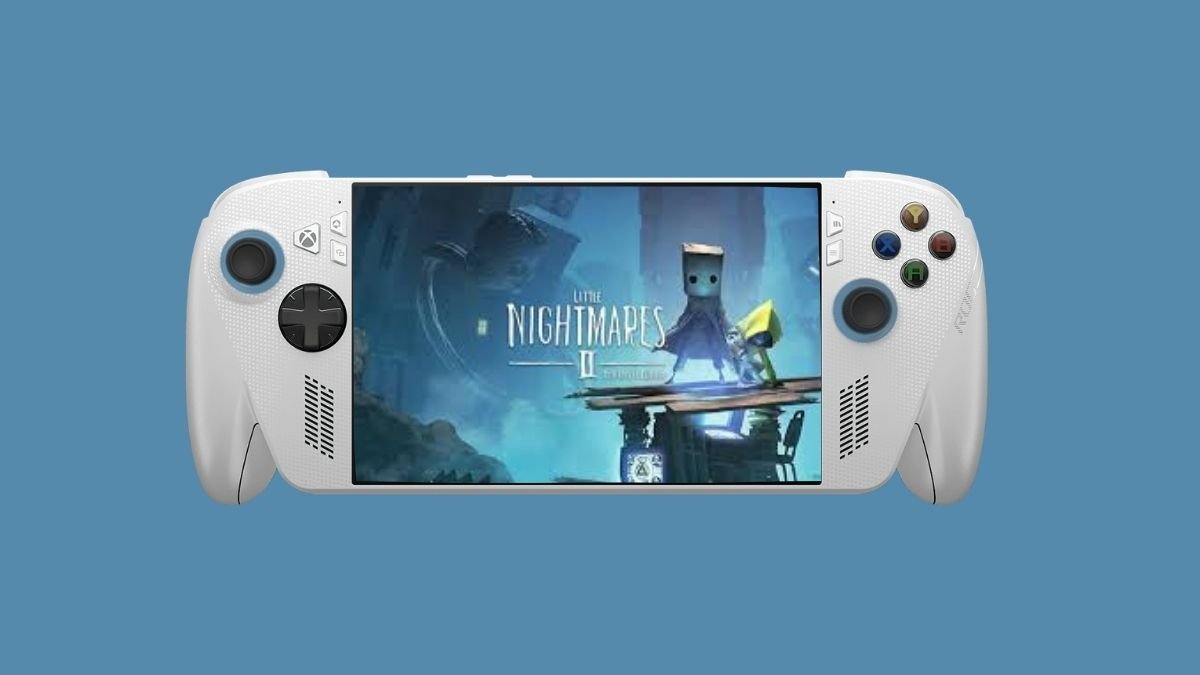
- Technical optimization maintains smooth performance across all platforms including Switch handheld mode
Cons
- Some platforming sequences demand precise timing that can frustrate less patient players
- Control sensitivity occasionally causes unintended character responses in frantic moments
- Story ambiguity, while artistically intentional, alienates players preferring explicit narrative
- Limited DLC content compared to other franchises; cosmetic-only additions provide minimal gameplay value
- Campaign brevity may disappoint players seeking 15+ hour experiences
- Arachnophobia warning: spider encounter sequence presents graphically disturbing content
Performance Notes
PS5 and Xbox Series X maintain 1440p/60fps with Enhanced Edition improvements; Nintendo Switch handles 1080p docked (30fps) or 720p handheld (30fps); PC scales to 4K/60fps+ on recommended hardware. Ray-tracing implementation on current-gen consoles improves shadow fidelity without performance impact.
Little Nightmares II positions players as Mono, a young boy trapped in a distorted world transmitting nightmarish imagery through television screens. Tarsier Studios crafted a claustrophobic 4-5 hour experience balancing puzzles, platforming, and stealth against grotesque antagonists including the Pale City’s Teacher and Hunter. The game achieved critical consensus with Metacritic scores of 82-83 across platforms, praised for artistic direction, atmosphere, and mechanical polish while occasionally criticized for control sensitivity in timing-critical sequences. The game’s narrative structure emphasizes environmental storytelling over exposition, allowing players to interpret the dark Pale City and Signal Tower mythology through observation and careful platforming. This guide examines gameplay fundamentals, platform-specific optimizations, and what elevates Little Nightmares II within the horror-platformer genre.
How to Play Little Nightmares II
Little Nightmares II emphasizes platforming precision, environmental puzzle-solving, and stealth awareness within confined spaces. Players control Mono through increasingly dangerous scenarios, collaborating with Six (appearing in cut-scenes and critical moments) to overcome obstacles while evading grotesque antagonists and environmental hazards.
- Controls – Left-stick movement with context-sensitive button prompts for interactions and climbing. The control scheme prioritizes responsiveness over complexity, though platforming demands precise input timing. Double-jump mechanics appear in specific sequences, requiring muscle memory investment.
- Progression – Players advance through distinct regions: the Wilderness, School, Hospital, and Signal Tower, each introducing environmental mechanics and new antagonists. Progress comes through solving environmental puzzles, timing platforming sequences correctly, and occasionally outsmarting pursuing enemies through hiding.
- Combat and Mechanics – No traditional combat exists; instead, players must evade, hide, and puzzle-solve. Mono occasionally acquires items like hammers for puzzle activation or defensive use, but combat relies on environmental weapons rather than equipped arsenals. Cooperation moments with Six involve synchronized actions or puzzle solutions requiring both characters’ positioning.
- Tips – Study enemy patrol patterns before committing to movement; rushing leads to detection. Examine all interactive environmental elements before moving forward; hidden solutions frequently involve manipulating background objects or discovering unconventional passage routes.
Who Should Play Little Nightmares II
Little Nightmares II targets players valuing artistic presentation and puzzle-platformer mechanics over action sequences. The game’s tight pacing and brief campaign appeal to players seeking concentrated experiences without genre padding, though demanding platforming segments challenge conventional “casual” positioning.
- Art-Focused Horror Enthusiasts – If visual storytelling, sound design, and atmospheric immersion matter more than jump-scare mechanics, Little Nightmares II delivers uncompromising artistic vision. The grotesque character designs and oppressive environments create horror through aesthetic discomfort rather than threat proximity.
- Puzzle Platformer Veterans – Players cut their teeth on Limbo, Inside, or Playdead’s aesthetics will recognize Little Nightmares II’s lineage. Tarsier Studios modernized those foundational mechanics while establishing distinct visual identity and narrative depth.
- Story-Curious Indie Gamers – The narrative structure emphasizes interpretation and environmental clues over exposition. Attentive players discover franchise mythology connecting to the original Little Nightmares while experiencing Mono and Six’s story as standalone narrative arc.
- Skip if – Players requiring combat agency or extensive character progression should reconsider. Little Nightmares II prioritizes evasion, and some platforming sequences demand genuine skill investment. Arachnophobia concerns should note the horrifying spider encounter sequence.
Little Nightmares II Platform Performance
Little Nightmares II demonstrates excellent technical optimization across platforms, from Nintendo Switch’s portable compromises to PlayStation 5’s dynamic performance options. The game prioritizes consistent framerates over pushing graphical fidelity, resulting in smooth platforming on all hardware while allowing PC configurations to exceed console capabilities significantly.
| Platform | Resolution | FPS | Notes |
|---|---|---|---|
| PC (Recommended) | 1440p-4K | 60+ | Scales to hardware; unlocked framerates with moderate GPU requirements; Enhanced Edition features ray-traced shadows and reflections |
| PlayStation 5 | 1440p | 60 | Enhanced Edition improves draw distance and graphical fidelity; free upgrade from PS4 version; dynamic resolution maintains 60fps consistency |
| Xbox Series X | 1440p | 60 | Performance parity with PS5; Enhanced Edition optimizations applied identically; fast SSD load times under 5 seconds |
| Nintendo Switch | 1080p/720p | 30 | Handheld mode locks 720p/30fps; docked mode targets 1080p/30fps with occasional dips during intense sequences; acceptable for platforming pacing |
Little Nightmares II System Requirements
Little Nightmares II maintains modest PC requirements, demonstrating efficient optimization that allows gameplay on 2015-era integrated graphics while scaling dramatically on modern hardware. The game’s artistic style prioritizes visual clarity over photorealism, allowing lower-end systems to maintain visual quality despite performance constraints.
| Component | Minimum | Recommended |
|---|---|---|
| OS | Windows 10 64-bit | Windows 10/11 64-bit |
| CPU | Intel Core i5-2300 or AMD FX-4350 | Intel Core i7-3770 or AMD FX-8350 |
| GPU | NVIDIA GTX 570 (1GB) or AMD HD 7850 | NVIDIA GTX 760 (2GB) or AMD HD 7870 |
| RAM | 4 GB | 4 GB (8 GB for Enhanced Edition ray-tracing) |
| Storage | 5 GB HDD | 5 GB SSD (recommended for load time optimization) |
Similar Games to Little Nightmares II
Little Nightmares II established a sub-genre combining horror aesthetics with puzzle-platformer mechanics. Games sharing similar DNA emphasize environmental storytelling, artistic presentation, and evasion-based gameplay while achieving horror through atmosphere rather than conventional threat mechanics.
- Inside (2016) – Monochromatic puzzle-platformer featuring similar evasion mechanics and environmental narrative structure. Inside emphasizes puzzle complexity and grotesque imagery comparable to Little Nightmares II’s aesthetic choices, though maintaining visual minimalism contrast.
- Limbo (2010) – Foundational dark silhouette platformer establishing the visual language Little Nightmares II extended. Limbo focuses exclusively on environmental puzzles with minimal narrative structure, whereas Little Nightmares II emphasizes character relationships and story depth.
- Dead Souls (2013) – Psychological platformer with horror atmosphere and childhood trauma narrative. Shares Little Nightmares II’s attention to sound design and environmental storytelling but maintains different mechanical pacing and puzzle approaches.
- Amnesia: The Dark Descent (2010) – First-person psychological horror emphasizing atmosphere and psychological vulnerability. Both titles prioritize artistic horror over jump-scares, though Amnesia pursues first-person immersion versus Little Nightmares II’s side-scrolling perspective.
Little Nightmares II vs Competitors
Little Nightmares II occupied unique marketplace territory between indie puzzle-platformers and AAA horror titles, competing against established franchises through artistic merit and critical consensus rather than marketing budgets. Its Metacritic performance surpassed many contemporary horror releases despite lower visibility.
| Feature | Little Nightmares II | Inside | Limbo |
|---|---|---|---|
| Release Date | February 11, 2021 | July 7, 2016 | July 21, 2010 |
| Price | $29.99 | $19.99 | $9.99 |
| Campaign Length | 4-5 hours | 3-4 hours | 2-3 hours |
| Narrative Focus | Story-Driven Character Arc | Environmental Storytelling | Minimal Narrative |
| Multiplayer | No | No | No |
| Metacritic Score | 83/100 (PC) | 86/100 (PC) | 84/100 (PC) |
Little Nightmares II Story and World
Little Nightmares II constructs a nightmarish world distorted by mysterious transmission emanating from the Signal Tower. Protagonist Mono awakens in the Wilderness without memory, guided by Six (returning from the original game) toward the Signal Tower to discover the transmission’s source. The journey traverses the Pale City’s distinct regions: a school with predatory Teachers and porcelain-headed pupils, a hospital containing grotesque medical horrors, and increasingly surreal environments as players approach the tower. The narrative deliberately obscures its final revelation, presenting environmental clues scattered throughout rather than explicit exposition. Gameplay moments with Six establish emotional connection despite minimal dialogue, creating vulnerability through reliance on cooperative problem-solving. The story ultimately addresses themes of control, transmission, and psychological imprisonment through gameplay metaphor, rewarding attentive interpretation without demanding it.
Little Nightmares II Multiplayer and Online
Little Nightmares II maintains single-player focus throughout, though cooperative story moments establish emotional resonance through assistance mechanics rather than traditional multiplayer. Post-launch content and platform variations offer cosmetic options and DLC expansions but no competitive or cooperative gameplay modes.
- Campaign Mode – Exclusively single-player with no option for cooperative play, though narrative emphasizes partnership between Mono and Six through gameplay cooperation and story moments
- Cooperative Puzzle Moments – Specific segments require Six’s assistance for puzzle activation or platforming progression, though AI controls Six’s actions autonomously rather than allowing player control
- Cosmetic DLC – “The Nomes’ Attic” DLC ($4.99) adds collectible items and cosmetic variations but features no gameplay mechanics or story content
- Cross-Play – Not applicable; no multiplayer infrastructure exists, eliminating platform-specific considerations
Little Nightmares II DLC and Expansions
Little Nightmares II’s post-launch strategy emphasized cosmetic additions and collectible content rather than substantial story expansions. The primary DLC content consists of collectible items and the Nome’s Attic cosmetic pack, with no narrative-driven expansions comparable to other horror franchises.
- The Nomes’ Attic DLC – Released alongside base game ($4.99); collectible item pack featuring themed cosmetics and secret collectibles hidden throughout the campaign
- Enhanced Edition (PS5/Xbox Series X) – Free upgrade for existing owners; improved graphical fidelity, ray-traced shadows, enhanced draw distance, and faster load times without narrative additions
- Deluxe Edition Content – Digital soundtrack (full game score), 56-page artbook featuring concept art and developer commentary, wallpaper sets, and character avatars included with deluxe purchase
- Free Updates – Tarsier Studios released optimization patches throughout 2021-2025, including performance improvements for Nintendo Switch and graphics optimization for PC players
Little Nightmares II Community and Support
Little Nightmares II maintains active community engagement through official channels and player-driven communities. Bandai Namco demonstrates ongoing franchise commitment through patch support, DLC coordination, and community spotlight initiatives, fostering sustained player investment in 2026.
- Official Forums – Bandai Namco hosts Little Nightmares community portal with developer announcements, technical support, and community feedback channels directly integrated into franchise development discussions
- Reddit/Discord – r/LittleNightmares community exceeds 150,000 members discussing lore interpretation, speedruns, and fan theories; Discord servers coordinate challenge playthroughs and speedrun competitions
- Mod Support – Steam Workshop support limited; community-created cosmetic mods and texture replacements available through third-party hosting but officially unsupported
- Updates – Tarsier Studios released technical optimization patches throughout 2021-2025, including ray-tracing implementation for PS5/Xbox Series X and performance refinements for Nintendo Switch compatibility through 2026