
 3
3
Lego Voyagers – A Masterpiece of Minimalist Co-op
Light Brick Studio delivers a stunning, emotional co-op adventure that proves you don't need arms or legs to hold hands. (Rating: 8.5/10)
Game Info
Verdict
A stunning, heartwarming co-op gem that proves you don't need words (or arms) to tell a great story, even if the journey is a bit short.
Pros
- Gorgeous photorealistic visual style
- Innovative one-button co-op mechanics
- Deeply emotional wordless storytelling
- Friend Pass included for free online play
- Excellent atmospheric soundtrack
Cons
- Short runtime (approx 5-6 hours)
- Controls can feel finicky on narrow ledges
- Zero replay value for solo players
Performance Notes
Runs flawlessly at 4K/60fps on PS5 and Series X. PC version is well-optimized but requires an SSD. Switch holds a steady 30fps but loses some ray-traced reflections.
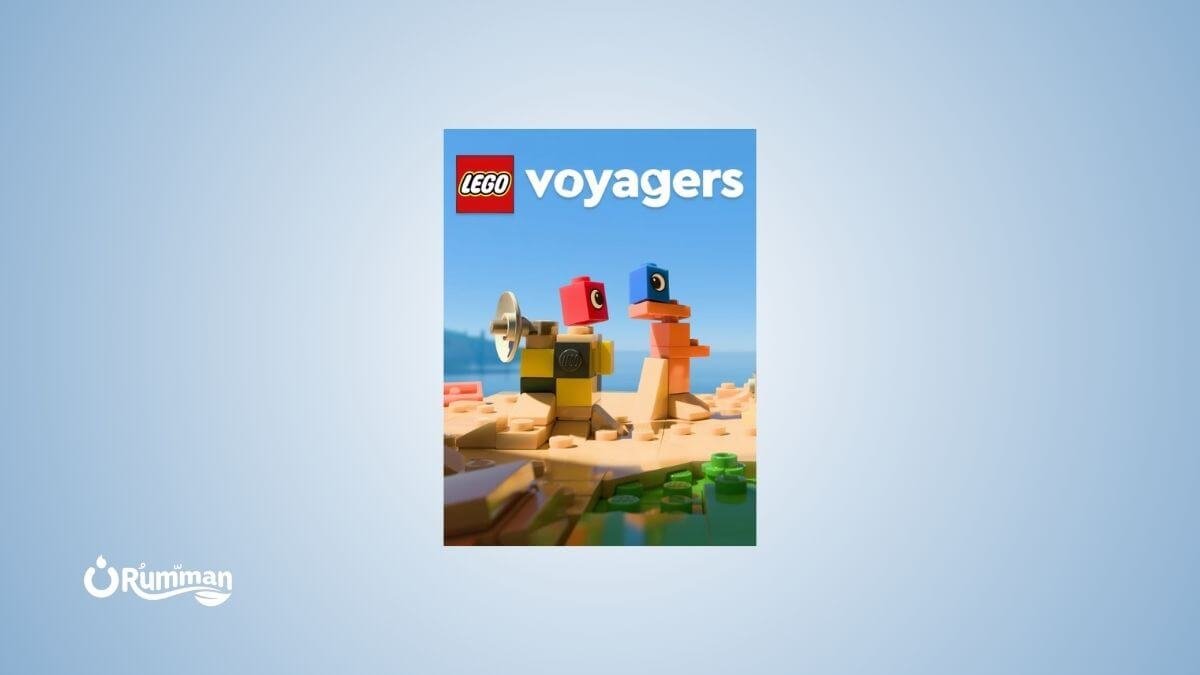
In an industry obsessed with hyper-realism and sprawling open worlds, Lego Voyagers arrives as a quiet, beautifully polished breath of fresh air. Developed by Light Brick Studio—the team behind the critically acclaimed Lego Builder’s Journey—and published by Annapurna Interactive, this cooperative puzzle-platformer strips the Lego video game formula down to its purest elements: the bricks themselves. Released in September 2025, it abandons the frantic combat and collecting of traditional TT Games titles for a grounded, physics-based diorama world where two players control single 1×1 bricks on a grand odyssey. It is a game that understands the tactile joy of clicking two pieces together, weaving a wordless narrative of friendship that resonates deeply with players of all ages.
How to Play Lego Voyagers
At its core, Lego Voyagers is a physics-based puzzle-platformer played exclusively in two-player cooperative mode (local or online). You don’t control a minifigure; you are the brick.
- Controls – The scheme is deceptively simple but heavy with physics. You use the left stick to roll your 1×1 brick (Red or Blue) and a single button to hop. Holding the action button allows you to “stick” to other Lego surfaces or your partner, which is essential for climbing vertical walls or swinging across gaps. The learning curve is gentle, focusing on momentum and coordination rather than complex inputs.
- Progression – The game is linear, divided into distinct biomes (an island, a forest, a desert, and a sci-fi facility). Each level presents a series of environmental obstacles that require you to build bridges, counterbalance seesaws, or operate heavy machinery by literally becoming the missing cog in the mechanism.
- Mechanics – Unlike Builder’s Journey, which was more meditative, Voyagers is active. You must physically move bricks to solve puzzles. A key mechanic involves “stacking,” where players stack on top of each other to reach higher ledges or combine with loose bricks to create makeshift vehicles. There is no combat; the challenge lies entirely in navigation and logic.
- Tips – Communication is non-negotiable. Because your characters are small and the world is large, you often need to scout ahead for your partner. Use the “ping” button to highlight studs you want to move to. Also, remember that you are made of plastic—falling from great heights won’t kill you, but it will reset your progress on a tricky climb.
Who Should Play Lego Voyagers
This is an experience tailored for duos who enjoy shared “eureka” moments and relaxed pacing.
- Couples – With its “Friend Pass” system and focus on cooperation over competition, it’s the perfect date-night game, similar to It Takes Two but with a more chill vibe.
- Parents and Kids – The lack of violence and intuitive visual language makes it accessible for children (7+), while the puzzle logic keeps adults engaged.
- Design Lovers – Fans of diorama aesthetics and high-fidelity rendering will adore the ray-traced plastic textures.
- Skip if – You play games exclusively solo (AI companions are not supported) or if you demand high-octane action and combat in your Lego games.
Lego Voyagers Platform Performance
Light Brick Studio has optimized the Unity-based engine to deliver photorealistic lighting while maintaining responsive performance across most hardware.
| Platform | Resolution | FPS | Notes |
|---|---|---|---|
| PC (High) | 4K | Uncapped | Ray-tracing support for stunning reflections |
| PS5 | 4K (Dynamic) | 60 | Excellent DualSense haptics for surface textures |
| Xbox Series X | 4K (Dynamic) | 60 | Quick Resume works flawlessly |
| Switch | 1080p/720p | 30 | Some visual downgrades in lighting quality |
Lego Voyagers System Requirements
While the art style is minimalist, the lighting effects and physics calculations demand a decent mid-range rig for 4K play.
| Component | Minimum | Recommended |
|---|---|---|
| OS | Windows 10 64-bit | Windows 11 64-bit |
| CPU | Intel Core i5-6600K | Intel Core i7-9700K |
| GPU | NVIDIA GTX 1060 6GB | NVIDIA RTX 3060 Ti |
| RAM | 8 GB | 16 GB |
| Storage | 15 GB | SSD Required |
Similar Games to Lego Voyagers
If you enjoyed the brick-based bonding of Voyagers, these titles offer comparable collaborative magic.
- Lego Builder’s Journey – The spiritual predecessor; single-player and more puzzle-focused, but shares the same beautiful aesthetic and emotional storytelling.
- It Takes Two – The gold standard for co-op adventure. Much longer and more varied, but arguably more stressful and demanding than Voyagers.
- Unravel Two – Another puzzle-platformer featuring tiny protagonists in a big world, emphasizing physics and flow.
- Sackboy: A Big Adventure – Offers 3D platforming whimsy with a similar handcrafted look, though with more combat and collecting.
Lego Voyagers vs Competitors
Positioned as a premium indie title, Voyagers offers high production value at a mid-tier price point.
| Feature | Lego Voyagers | It Takes Two | Lego Horizon Adventures |
|---|---|---|---|
| Price | $29.99 | $39.99 | $59.99 |
| Playtime | 5-6 Hours | 12-14 Hours | 7-8 Hours |
| Multiplayer | Co-op Only | Co-op Only | Single/Co-op |
| Metacritic | 84 | 88 | 73 |
Lego Voyagers Story & World
The narrative is a masterclass in “show, don’t tell.” You play as two sentient bricks who witness a colossal spaceship crash-land in the distance. Without a word of dialogue, you embark on a quest to reach the crash site, repair the ship, and perhaps find your way home. The world is built entirely from recognizable Lego elements—from the 2×4 grass plates to the Technic pins that form industrial machinery. The tone shifts gracefully from whimsical exploration in sunny meadows to genuine melancholy in rain-slicked industrial zones. It’s a story about the bonds we build (literally) and the support we give each other when the path is blocked.
Lego Voyagers Multiplayer & Online
The entire game is designed around the “two heads are better than one” philosophy.
- Co-op Campaign – The full 6-hour story must be played with two players. Puzzles are asymmetrical, meaning Player A often needs to hold a lever so Player B can cross a bridge.
- Friend Pass – Just like It Takes Two, only one person needs to own the game. You can invite a friend to play the entire game for free online.
- Local Play – Supports couch co-op with dynamic split-screen that merges into one screen when players are close.
- Cross-Play – Fully supported between PC, Xbox, and PlayStation, ensuring you can play with friends regardless of their hardware.
Lego Voyagers DLC & Expansions
Light Brick Studio has kept the experience focused, with no paid expansions announced at launch.
- Creative Mode Update – A free post-launch update is planned for late 2025, adding a sandbox area where players can build freeform structures together.
- Cosmetic Packs – There are no microtransactions; new “skins” (different print patterns for your brick) are unlocked solely through gameplay.
- Season Pass – None. The game is a complete package.
- Patches – Day 1 patch improved camera stability in tight corridors.
Lego Voyagers Community & Support
The community has quickly rallied around the game’s wholesome vibe and creative potential.
- Official Discord – Active hub for finding co-op partners and sharing screenshots of hidden easter eggs.
- Speedrunning – A niche but growing community is optimizing routes, as the physics engine allows for some wild momentum tricks.
- Mod Support – Limited on consoles, but PC players are already experimenting with texture swaps to make the bricks look like wood or metal.
- Updates – Developers are active on X (Twitter) and provide monthly status reports on bug fixes and the upcoming Creative Mode.