
 34
34
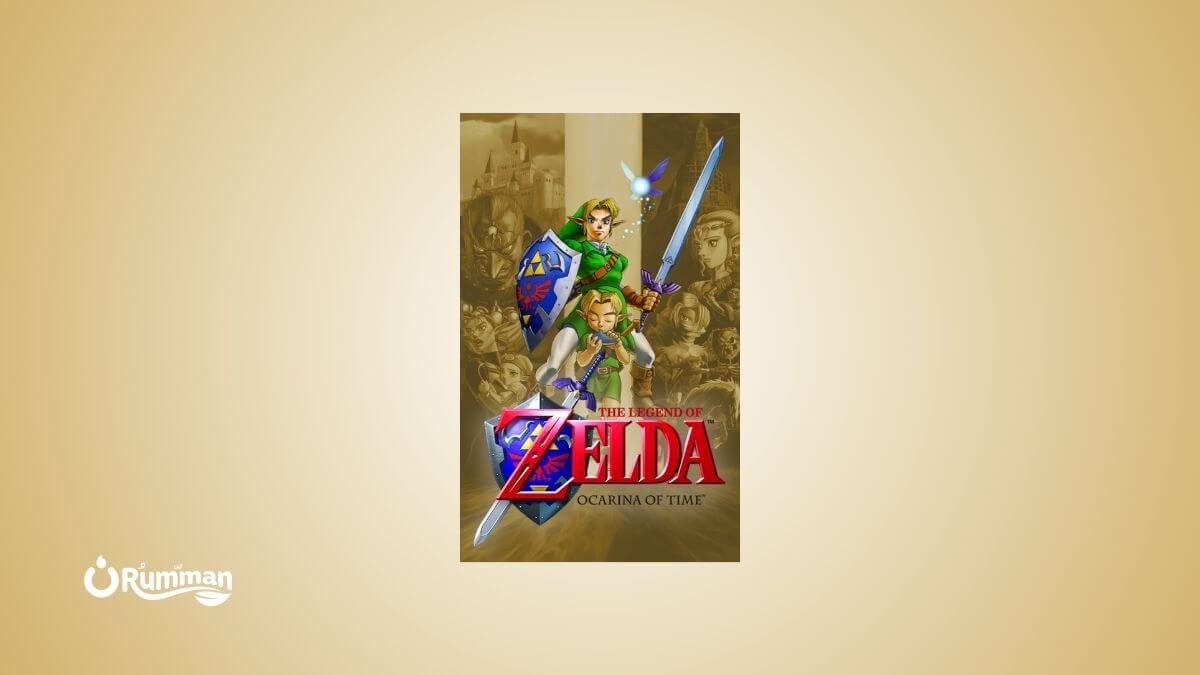
The Legend of Zelda: Ocarina of Time – Gaming’s Most Influential Masterpiece
The highest-rated game ever on Metacritic with a perfect 99, Ocarina of Time revolutionized 3D gaming with groundbreaking dungeon design and the legendary Z-targeting system.
Game Info
Verdict
The most influential 3D adventure game ever created, achieving gaming's highest Metacritic score with unmatched design principles.
Pros
- Perfected Z-targeting revolutionized third-person camera and combat design across the entire industry
- Brilliant dungeon progression with intuitive yet challenging puzzle design rewarding observation
- Seamless time-travel narrative structure creating emotional depth without overt storytelling
- Every region feels distinct and alive with environmental secrets and NPCs with genuine personality
- Pacing masterclass balances exploration, combat, and story moments without filler or exposition
- Timeless art direction and music composition remain evocative 27 years later
- Multiple re-releases allow new generations to experience the foundation of modern adventure games
Cons
- N64 original suffers from erratic framerate (20 FPS) and camera lag that feels dated by modern standards
- Water Temple features infamous design flaw requiring players to remember unguarded key location
- Some puzzles rely on obtuse solutions unreasonable without guide or prior series knowledge
- Lengthy dungeon sequences create fatigue for players preferring action-heavy gameplay
- Story remains minimal; players seeking narrative depth may find characterization underdeveloped
Performance Notes
N64 original: 20 FPS at 640x480. 3DS remake: 30 FPS with enhanced textures and models. Switch NSO: 60 FPS emulation at 1080p. PC emulation (Ship of Harkinian): 60+ FPS up to 360 FPS with custom enhancements.
The Legend of Zelda: Ocarina of Time stands as a watershed moment in video game history, not merely for its 99 Metacritic score but for fundamentally reshaping how developers approach 3D adventure game design. Released on Nintendo 64 in 1998, this game introduced 3D perspective and time-travel mechanics to the series, setting standards that influenced countless games across three decades. Players discover why this title remains unmatched through its intricate dungeon architecture, precise controls, and narrative pacing that flows effortlessly between exploration and puzzle-solving. This review explores how Ocarina of Time achieves critical perfection and its lasting relevance despite its age.
How to Play The Legend of Zelda: Ocarina of Time
Ocarina of Time presents a real-time combat system where players move Link through expansive 3D environments, targeting enemies with the Z-lock mechanic and combining sword attacks with learned combat moves. Players progress by solving environmental puzzles, collecting keys within dungeons, and vanquishing bosses guarding the path forward.
- Controls – The N64 controller’s innovative three-pronged design with the unique Z-trigger enables precise camera control and lock-on targeting, though modern remakes offer traditional controls.
- Progression – Link transforms between child and adult forms across a 7-year time gap, accessing different areas and solving era-specific puzzles before facing Ganon’s castle.
- Combat and Mechanics – Z-targeting revolutionized third-person combat by allowing players to circle enemies while maintaining focus; blocking, dodging, and item usage form the core loop.
- Tips – Exploration yields heart pieces and secret items; talking to NPCs reveals puzzle solutions and story context that newer players might overlook.
Who Should Play The Legend of Zelda: Ocarina of Time
This game appeals to action-adventure enthusiasts seeking foundational gaming experiences, puzzle solvers who appreciate environmental design, and completionists wanting to understand modern game design DNA. Its controls feel dated to contemporary players raised on analog sticks, though the 3DS remake modernizes this significantly.
- Action-Adventure Fans – Those who appreciate real-time combat with tactical depth will recognize Ocarina’s influence on every third-person adventure released afterward.
- Puzzle Enthusiasts – Intricate dungeon puzzles reward observation and experimentation; environmental storytelling guides players without excessive hand-holding.
- Game Designers and Historians – Understanding why this game achieved a 99 Metacritic score provides crucial context for modern design philosophy.
- Skip if – You prefer story-driven narratives over gameplay loops, dislike fixed camera angles (N64 version), or expect modern graphics quality; the game’s age shows technically.
The Legend of Zelda: Ocarina of Time Platform Performance
Ocarina of Time has been ported across every Nintendo platform since its 1998 release. The N64 original runs at 20 FPS with 640×480 resolution maximum. The 3DS remake increases frame rate to 30 FPS and overhauls graphics significantly. Virtual Console emulations on modern systems achieve 1080p+ at 60 FPS through optimization.
| Platform | Resolution | FPS | Notes |
|---|---|---|---|
| Nintendo 64 (Original) | 640×480 | 20 | Authentic experience, limited framerate causes camera lag |
| Nintendo 3DS Remake | 800×240 | 30 | Enhanced graphics, touch-screen controls, Master Quest included |
| GameCube (Emulation) | 640×480 | 20 | Part of Collector’s Edition, quadruple resolution of N64 |
| Nintendo Switch (NSO) | 1080p | 60 | Online subscription required, stable emulation |
The Legend of Zelda: Ocarina of Time System Requirements
The original Nintendo 64 cartridge requires only the console and controller, with no complex PC specifications. Modern PC emulation through Ship of Harkinian demands modest hardware. The game originally shipped on a 32 MB cartridge, the largest Nintendo had produced at that time, utilizing every bit efficiently.
| Component | Minimum (N64) | Recommended (PC Emulation) |
|---|---|---|
| System | Nintendo 64 | Windows 10+, macOS 10.15+ |
| Processor | 93.75 MHz VR4300 | Intel Core i5-equivalent or better |
| RAM | 4-8 MB | 8 GB |
| GPU | Integrated Reality Coprocessor | NVIDIA GTX 1060 or equivalent |
| Storage | 32 MB Cartridge | 500 MB (emulation) |
Similar Games to The Legend of Zelda: Ocarina of Time
Few games match Ocarina’s specific blend of dungeon design, Z-targeting precision, and atmospheric storytelling. However, several titles capture different facets of the experience. Majora’s Mask provides narrative complexity with the time-loop mechanic. Wind Waker modernizes the formula with sailing exploration. Twilight Princess and Skyward Sword continue the traditional progression-based design. Beyond Nintendo, Okami on Switch stands as the closest spiritual successor, featuring similar puzzle design and boss encounters.
- The Legend of Zelda: Majora’s Mask – Direct N64 sequel introducing transformation masks and three-day cycle; maintains dungeon excellence but emphasizes side quests over main narrative.
- The Legend of Zelda: Twilight Princess – Spiritual successor featuring similar dungeon structures and combat refinements; more mature tone and darker atmosphere appeal to players seeking progression beyond OOT.
- The Legend of Zelda: Wind Waker HD – Reimagines the formula with sailing-based exploration and cel-shaded graphics; maintains core dungeon design principles with unique environmental puzzles.
- Okami HD (Switch) – Features 40+ hours of adventure with paint-brush mechanics replacing items; offers dungeon-like structures with equally memorable boss encounters and artistic presentation.
The Legend of Zelda: Ocarina of Time vs Competitors
Ocarina of Time’s 99 Metacritic score remains unmatched 27 years after release. To contextualize this achievement, compare it against the highest-scoring games of its era and modern masterpieces. Soulcalibur achieved 98 on Dreamcast. Breath of the Wild scored 97, despite vastly more critical reviews informing the aggregate. This comparison illustrates how Ocarina’s smaller review pool all converged on near-perfect scoring, reflecting revolutionary design rather than iterative excellence.
| Feature | Ocarina of Time | Majora’s Mask | Twilight Princess |
|---|---|---|---|
| Price (Original Release) | $59.99 | $64.99 | $49.99 |
| Main Story Hours | 26-30 | 25-30 | 40 |
| Dungeons | 8 | 4 | 8 |
| Metacritic Score | 99 | 95 | 95 |
The Legend of Zelda: Ocarina of Time Story and World
The game’s narrative simplicity belies its emotional depth. Link awakens as a forest boy and eventually confronts Ganondorf in an apocalyptic future, learning that his hero’s journey itself created the very catastrophe he seeks to prevent. The time-travel structure divides the adventure into childhood exploration and adult consequences, teaching players that actions echo across time. Hyrule feels alive through its distinct regions from Lost Woods to Zora’s Fountain, each area containing secrets rewarding patient exploration. The story unfolds through environmental storytelling rather than exposition, trusting players to piece together mythology through gameplay and NPC dialogue.
The Legend of Zelda: Ocarina of Time Multiplayer and Online
Ocarina of Time is exclusively single-player, focusing entirely on solo adventure and environmental puzzle-solving. No competitive or cooperative modes exist in the original design. The game’s pacing respects single-player rhythm without interruption, creating unbroken immersion through its 26-35 hour campaign. Later Zelda games would experiment with multiplayer elements, but Ocarina prioritizes individual player agency and discovery.
- Campaign Mode – Pure single-player adventure spanning childhood and adulthood with no online components or interruptions.
- Master Quest – Unlockable alternative campaign with rearranged dungeons and doubled enemy difficulty available on GameCube and 3DS versions.
- No Co-op or Competitive Modes – The game maintains focus on solo exploration and personal progression without multiplayer distractions.
- Cross-Save – Each platform maintains independent save files; no cloud synchronization exists in classic versions.
The Legend of Zelda: Ocarina of Time DLC and Expansions
Ocarina of Time included Master Quest as an alternative campaign option rather than purchased DLC. GameCube and 3DS versions bundle this expanded content. No additional story expansions, cosmetic packs, or seasonal content were ever released, maintaining the complete experience within the original package. This pre-DLC era design philosophy contrasts sharply with modern game publishing practices, offering full value immediately.
- Master Quest Campaign – Remixed dungeons with alternate puzzle solutions and doubled enemy damage; included free with GameCube and 3DS versions.
- No Paid Expansions – The game shipped as a complete product without post-launch monetization, a standard practice for that era.
- No Cosmetics or Skins – Link’s appearance remains unchanged; no alternate character costumes were ever released.
- Free Updates – No post-launch patches existed; N64 cartridges shipped in final form without update capability.
The Legend of Zelda: Ocarina of Time Community and Support
Decades after launch, Ocarina of Time maintains an active global community through speedrunning competitions, modding communities, and dedicated fan sites. The 3DS version enabled new generations to discover the game, while Switch Online brought it to contemporary audiences. Nintendo’s ongoing support through multiple re-releases demonstrates sustained commercial interest. Fan-made projects like Ship of Harkinian port the game to modern platforms through open-source development, though these require original ROM files for legal operation.
- Official Forums – Zelda.com and Nintendo Switch Online community discussions maintain active player bases discussing speedruns and challenge strategies.
- Reddit Communities – r/zelda and r/n64 host extensive discussion of strategy, lore analysis, and technical comparison between versions.
- Speedrunning Community – Ocarina holds world records in glitch-less and glitch-assisted categories on Speedrun.com, with active weekly tournaments.
- Mod Support – Ship of Harkinian enables texture packs, widescreen mods, and control customization through community contributions; original cartridge has no official mod support.