
 58
58
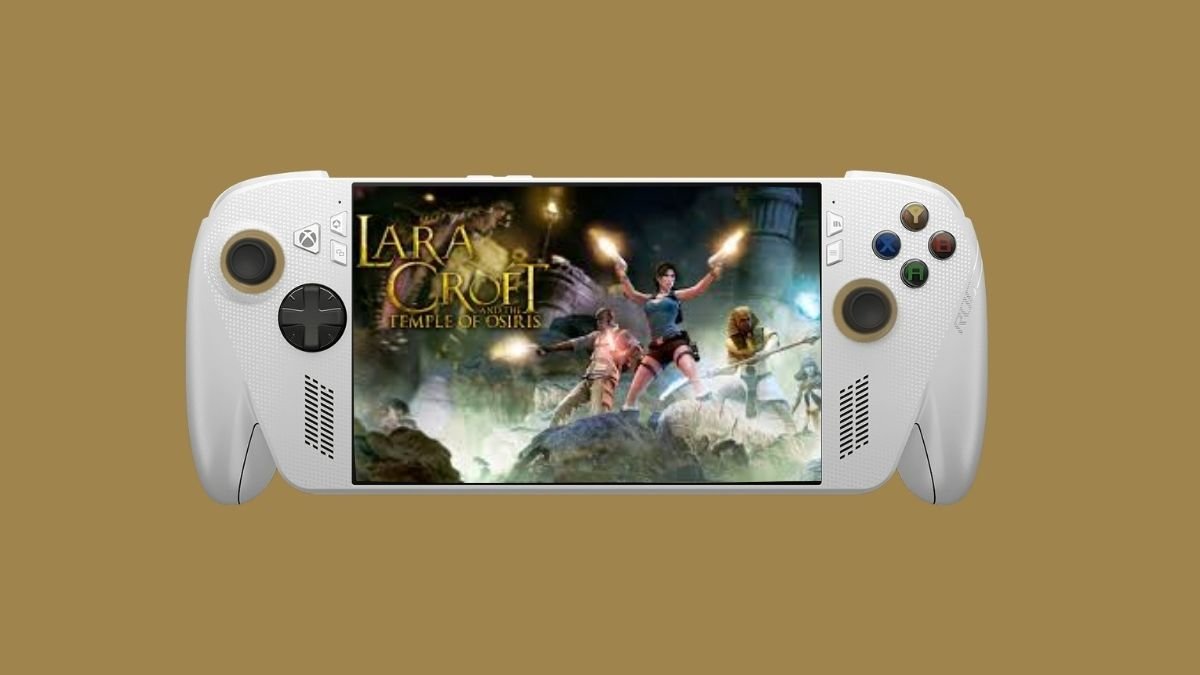
Lara Croft and the Temple of Osiris – Four-Player Co-op Adventure
A 2014 isometric action-adventure sequel offering four-player local co-op with satisfying puzzle design, though limited playtime and camera issues hold it back at 74 Metacritic.
Game Info
Verdict
An excellent couch co-op experience with engaging environmental puzzles, though brief five-to-eight-hour playtime and camera issues prevent it from reaching greatness.
Pros
- Four-player local co-op remains industry-leading for puzzle-focused experiences
- Intricate environmental puzzles require genuine teamwork and communication
- Responsive twin-stick controls feel satisfying for combat and movement
- Flexible difficulty options accommodate mixed skill levels
- Egyptian setting provides distinctive visual atmosphere
- Affordable price point for hours of co-op entertainment
Cons
- Extremely brief 5-8 hour campaign leaves solo players wanting more
- Loot system feels superfluous with minimal impact on character viability
- Camera positioning occasionally obscures vision during crucial puzzle moments
- No online cross-platform play limits matchmaking pool across versions
- Limited solo appeal; game designed exclusively for multiplayer engagement
Performance Notes
Stable 1080p/60 FPS on PlayStation 4 and Xbox One. PC highly scalable supporting 1440p-4K at high refresh rates on modern hardware. Nintendo Switch targets 720p handheld and 1080p docked at 30 FPS. Four-player local co-op maintains consistent performance across all versions without degradation.
Lara Croft and the Temple of Osiris represents the second installment in the Lara Croft spin-off series developed by Crystal Dynamics and published by Square Enix. Released December 2014, this four-player co-op adventure diverges significantly from mainline Tomb Raider titles, embracing puzzle-focused isometric action instead of exploration-based campaigns. The game achieved a respectable 74 Metacritic score, praised particularly for co-op mechanics and environmental puzzle design while criticized for brief playtime and insufficient solo appeal. It remains one of gaming’s finest couch co-op experiences despite its age.
How to Play Lara Croft and the Temple of Osiris
Temple of Osiris employs an isometric perspective with twin-stick shooter controls adapted for puzzle solving and collaborative teamwork. The game emphasizes environmental problem-solving where each character’s unique abilities unlock different puzzle solutions, rewarding cooperation and communication.
- Controls – Standard twin-stick layout with left analog for movement, right for aiming. Button mapping allows switching between melee and ranged weapons. Controller support is essential; keyboard-mouse plays awkwardly. Learning curve is minimal but button combinations require brief practice.
- Progression – Players select one of four characters (Lara Croft, Carter Bell, Horus, Isis) with identical mechanics but unique visual designs. Ten main tombs must be explored in sequence, each presenting distinct environmental challenges and boss encounters.
- Co-op Mechanics – Puzzles often require simultaneous player actions or leveraging character positions. One player might hold a platform switch while another navigates elevated terrain. Communication becomes essential for complex sequences.
- Tips – Start on normal difficulty in single-player to understand mechanics before introducing co-op chaos. Equip rings and amulets offering complementary bonuses; don’t hoard all powerful gear on one character. Patience with puzzles prevents frustration that spoils co-op enjoyment.
Who Should Play Lara Croft and the Temple of Osiris
Temple of Osiris targets multiplayer-focused audiences seeking collaborative puzzle-solving experiences. Solo players should temper expectations; the game shines brightest with trusted friends coordinating actions toward shared objectives.
- Co-op puzzle enthusiasts – Games emphasizing teamwork and communication over individual skill appeal strongly; expect intricate environmental puzzles requiring multiple simultaneous actions.
- Treasure hunters – Fans of isometric action titles like Guardian of Light and Diablo-style looter mechanics will appreciate gem collection and equipment progression.
- Casual action fans – Responsive controls and straightforward combat prevent frustration; the game welcomes less experienced players joining co-op sessions.
- Skip if – You prefer solo experiences, require 40+ hour campaigns, demand cutting-edge graphics, or have no friends available for local co-op sessions.
Lara Croft and the Temple of Osiris Platform Performance
Temple of Osiris displays stable performance across console generations with minimal technical issues. The isometric presentation and 2014 development timeline mean performance never reaches modern standards, but consistency remains strong across platforms.
| Platform | Resolution | FPS | Notes |
|---|---|---|---|
| PC | 1080p-4K (scalable) | 60+ | Highly scalable; runs on modest specifications from 2014 |
| PlayStation 4 | 1080p | 60 | Stable performance throughout; local co-op unaffected |
| Xbox One | 1080p | 60 | Matching PS4 performance with identical resolution and frame rate |
| Nintendo Switch | 720p (handheld) / 1080p (docked) | 30 | Adequate for casual co-op; performance stable but noticeably reduced |
Lara Croft and the Temple of Osiris System Requirements
Temple of Osiris sports surprisingly modest system requirements reflecting its 2014 release. Even budget gaming PCs handle the title comfortably, making it accessible to older hardware.
| Component | Minimum | Recommended |
|---|---|---|
| OS | Windows Vista/7/8 | Windows 7/8/10 |
| CPU | 2.0 GHz Dual-Core (high-end) | Quad-Core: AMD Phenom II X4 955 or Intel Core i5-750 |
| GPU | AMD Radeon HD 6000+ or NVIDIA GeForce 500+ | AMD Radeon HD R7 or NVIDIA GTX 650 |
| RAM | 4 GB | 8 GB |
| Storage | 5 GB available space | 5 GB (SSD recommended for faster loads) |
Similar Games to Lara Croft and the Temple of Osiris
Temple of Osiris occupies the isometric co-op action-adventure space where few modern titles compete. These alternatives capture elements of cooperative gameplay, puzzle-solving, or the Tomb Raider franchise itself.
- Lara Croft and the Guardian of Light – The spiritual predecessor with identical two-player mechanics; excellent entry point for Guardian fans exploring the sequel.
- Warhammer: Chaosbane – Four-player isometric action RPG with loot progression and cooperative dungeon crawling in Warhammer 40K setting.
- Sacred 3 – Isometric action with four-player local co-op, featuring fantasy action heavier on combat than puzzle-solving.
- Alienation – Twin-stick shooter with intense action emphasis; cooperative title from Housemarque appealing to four-player groups seeking gunplay over puzzles.
Lara Croft and the Temple of Osiris vs Competitors
Temple of Osiris remains competitively priced for console releases despite age. Its four-player capacity distinguishes it from most modern co-op titles, though playtime pales against 40+ hour expectations for action-adventure standards.
| Feature | Temple of Osiris | Guardian of Light | Warhammer: Chaosbane |
|---|---|---|---|
| Price (USD) | $19.99 | $14.99 | $59.99 |
| Playtime | 5-8 hours | 4-6 hours | 15-20 hours |
| Max Players | 4 (local/online co-op) | 2 (local/online co-op) | 4 (online only) |
| Metacritic | 74 | 78 | 61 |
Lara Croft and the Temple of Osiris Story and World
The narrative follows Lara Croft arriving at a hidden Egyptian temple seeking the mythical Staff of Osiris. Rival archaeologist Carter Bell arrives first, inadvertently triggering a curse that traps both inside and awakening the evil god Set. To defeat Set and escape, players must resurrect Osiris with help from imprisoned deities Horus and Isis. The Egyptian setting provides atmospheric environments ranging from elaborate tombs to sand-swept ruins, each distinct from companions by visual theming and environmental hazards. While the story remains straightforward action-adventure fare, it contextualizes puzzles and combat encounters effectively. Character interactions develop through idle animations and environmental storytelling rather than elaborate cutscenes, keeping focus on gameplay and puzzle-solving.
Lara Croft and the Temple of Osiris Multiplayer and Online
Temple of Osiris excels with its robust four-player co-op integration, supporting both local and online multiplayer simultaneously on compatible platforms. The game prioritizes accessibility without penalizing mixed skill levels through cooperative design.
- Local Co-op – Full four-player support on PC, PlayStation 4, and Xbox One. Nintendo Switch accommodates four controllers simultaneously using Joy-Con pairs.
- Online Co-op – Up to four players connect via standard matchmaking or friend invitations. Online and local players can join sessions together on supportive platforms.
- No Cross-Play – Players cannot connect across different platforms; separate ecosystems limit pool size on less popular versions.
- Drop-in Support – Players can join ongoing campaigns without restarting, though connection losses boot all participants to main menu without host migration.
Lara Croft and the Temple of Osiris DLC and Expansions
Crystal Dynamics released several DLC packs featuring cosmetics and additional tomb challenges. Season Pass holders access premium tomb content, while individual Gear Packs offer themed cosmetics from other Square Enix franchises.
- Season Pass – Includes Icy Death Pack and Twisted Gears Pack with bonus tombs, costumes, weapons, and equipment discovery. Price varies by platform.
- Icy Death Pack – Additional tomb with ice-themed puzzles, Ice Climber costume, and exclusive rings and amulets for purchase or unlock.
- Twisted Gears Pack – Second bonus tomb featuring mechanical challenges, original 1996 Lara Croft costume, and additional collectibles.
- Crossover Gear Packs – Deus Ex, Hitman, and Legend packs offer cosmetics and themed weapons from Square Enix’s portfolio without gameplay-changing mechanics.
Lara Croft and the Temple of Osiris Community and Support
The community, while smaller than mainline Tomb Raider titles, remains active within co-op gaming circles. Players regularly share speedruns, challenge completion footage, and treasure hunting guides on community platforms.
- Official Resources – Square Enix and Crystal Dynamics maintain patch notes and DLC information through official channels, though development has concluded.
- Community Hub – Steam discussions, Reddit communities (r/TombRaider), and Discord servers connect players seeking co-op partners and strategy guides.
- Speedrunning Scene – Active speedrunning community pursues optimal puzzle solutions and movement techniques, creating content for YouTube and Twitch.
- Patch Status – Development concluded post-launch; no active updates, though the game remains stable and fully playable on modern systems.