
 25
25
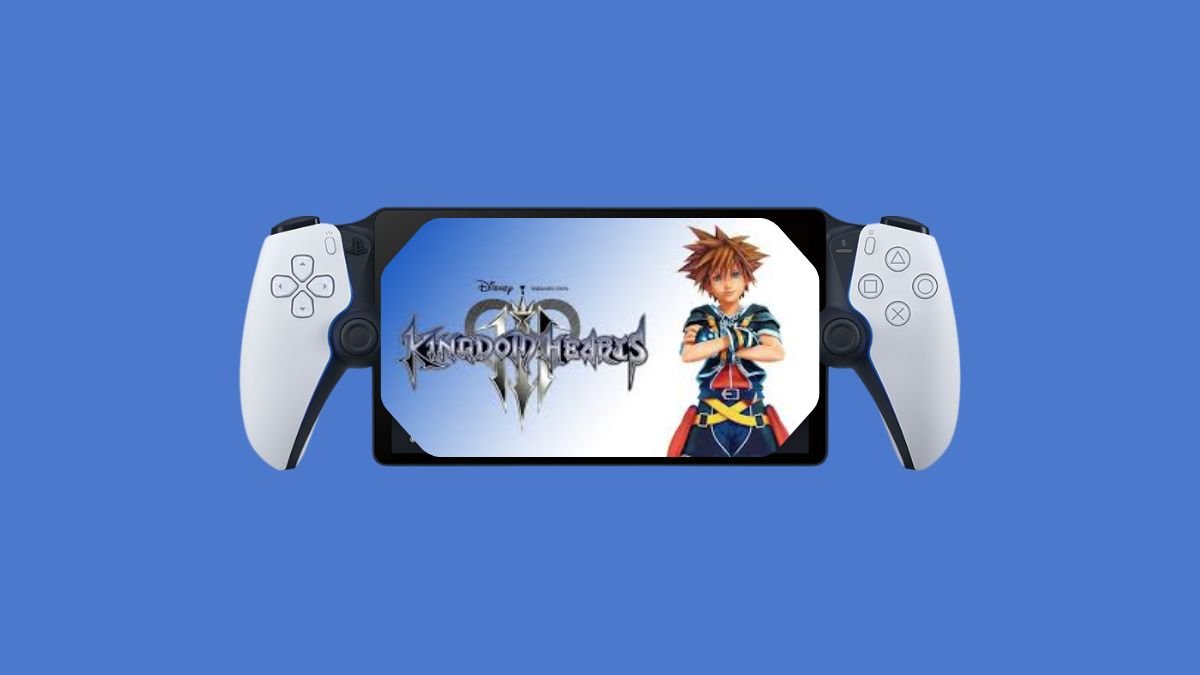
Kingdom Hearts III – Action-RPG Conclusion
A 40-hour action-RPG adventure concluding the Dark Seeker saga across Disney and Pixar worlds. Scoring 83/100 on Metacritic, features dynamic real-time combat, multiple Keyblades with unique abilities, and integration with beloved character franchises.
Game Info
Verdict
A visually spectacular action-RPG successfully concluding complex Dark Seeker mythology despite narrative complexity from prerequisite lore entries.
Pros
- Exceptional visual variety across distinct Disney world implementations
- Engaging real-time combat with multiple Keyblade transformation options
- Comprehensive 40-hour campaign delivering narrative closure to long-running saga
- Strong soundtrack composition enhancing emotional storytelling moments
- Attractive accessibility to Disney property enthusiasts regardless of Kingdom Hearts familiarity
Cons
- Complex narrative requires extensive prerequisite knowledge from prior entries
- Gummi Ship gameplay segments feel disconnected from core experience
- Boss difficulty balancing creates occasional frustrating difficulty spikes
- Some story pacing drags unexpectedly in certain world segments
- Limited post-game content without Re:Mind DLC purchase
Performance Notes
PlayStation 4 and Xbox One maintain variable framerate between 30-60fps depending on scene complexity and selected mode. PC version released June 2024 offers superior performance scaling up to 4K with unlocked framerates. Nintendo Switch compromises graphical fidelity substantially while maintaining 30fps stability. Loading times vary by platform with SSD configurations providing noticeable improvements.
Kingdom Hearts III represents the culmination of the 13-year Dark Seeker storyline, delivering a comprehensive action-RPG experience that bridges Kingdom Hearts lore with Disney and Pixar intellectual properties. Developed by Square Enix under director Tetsuya Nomura’s vision, the game synthesizes themes of light, darkness, friendship, and destiny across visually distinct worlds. Critics praised the combat variety and visual presentation while noting narrative complexity from preceding side titles could overwhelm newcomers. With over five million copies sold within the first week, Kingdom Hearts III achieved the fastest-selling status in the franchise’s history, confirming audience enthusiasm for this ambitious conclusion. Understanding this game requires recognizing its dual identity as both newcomer-accessible action-RPG and culmination of complex interconnected narratives spanning multiple platforms and entries.
How to Play Kingdom Hearts III
Kingdom Hearts III employs real-time action combat where protagonist Sora navigates environments in full three-dimensional space, engaging enemies through direct combat encounters. Players manage resource pools including Magic, Abilities, and Special Attractions, selecting appropriate responses to dynamic enemy patterns. The Keyblade weapon system provides multiple damage options, while summoned Disney allies introduce context-specific assistance during intense battles.
- Controls – Dual-stick controller layout with context-sensitive button prompts; Keyblade transformations bind to dedicated buttons; Magic and Abilities accessible through menu systems with real-time selection
- Progression – Experience points from enemy encounters fuel stat growth; equipment drops from defeated enemies provide incremental stat increases; Ability unlocks occur through story progression and specific challenge completions
- Combat/Mechanics – Real-time action featuring dodge mechanics, guard blocks, and counter-attacks; Keyblade switches mid-combat enable tactical response adjustments; Attraction system converts Disney park rides into powerful offensive maneuvers triggered through gameplay conditions
- Tips – Learn enemy attack patterns before committing to offense; maintain balanced Magic usage between offensive spells and healing; utilize summoned allies strategically rather than continuously
Who Should Play Kingdom Hearts III
This title appeals to action-RPG enthusiasts, Disney devotees, and franchise veterans seeking narrative closure. Its accessibility enables standalone play despite complex prerequisite lore, though appreciating the Dark Seeker conclusion requires familiarity with previous entries. The real-time combat satisfies players preferring engagement over strategic deliberation.
- Action RPG Fans – Players enjoying dynamic real-time combat and fast-paced encounter mechanics will appreciate the variety across multiple Keyblade transformations and offensive options
- Disney Enthusiasts – Those cherishing Disney and Pixar franchises will find authentic world implementations featuring recognizable characters and thematic elements from source materials
- Kingdom Hearts Veterans – Long-time franchise followers will experience narrative payoff for the Dark Seeker arc with character resolutions and thematic conclusions
- Skip if – Turn-based RPG devotees may find constant real-time engagement fatiguing; players unfamiliar with Kingdom Hearts lore might struggle with complex narrative foundations
Kingdom Hearts III Platform Performance
Performance varies across platforms with PC offering superior graphical options post-2024 release. Console versions maintain stable 60fps during standard gameplay with occasional dips during intensive particle-heavy battles. The game demonstrates competent optimization without pushing technical boundaries, prioritizing gameplay consistency over visual showcase.
| Platform | Resolution | FPS | Notes |
|---|---|---|---|
| PC (High) | 4K | 60+ | Unlocked framerates available; scales substantially across hardware tiers |
| PlayStation 4 | 1080p-1440p dynamic | 30-60 | Performance mode targets 60fps with resolution sacrifice; quality mode prioritizes 1440p at 30fps |
| Xbox One | 1080p-1440p dynamic | 30-60 | Similar to PS4 with comparable graphical settings; marginally superior performance consistency |
| Nintendo Switch | 720p handheld/1080p docked | 30 | Substantial visual compromises; gameplay remains intact; portable option with caveats |
Kingdom Hearts III System Requirements
PC specifications target mid-range hardware from 2013 onwards for minimum settings, with recommended specifications aligned toward 2015+ systems. The game runs satisfactorily across diverse configurations without aggressive demands, though dedicated graphics cards improve visual quality substantially over integrated solutions.
| Component | Minimum | Recommended |
|---|---|---|
| OS | Windows 10 64-bit (version 1909+) | Windows 10 64-bit (latest) |
| CPU | Intel Core i5-3330 or AMD Ryzen 3 1200 | Intel Core i5-7500 or AMD Ryzen 3 3100 |
| GPU | Nvidia GeForce GTX 760 (2GB) or AMD Radeon R7 260X (2GB) | Nvidia GeForce GTX 1070 (8GB) or AMD Radeon RX Vega 56 (8GB) |
| RAM | 8 GB | 8 GB |
| Storage | 75 GB SSD space | 75 GB SSD strongly recommended |
Similar Games to Kingdom Hearts III
Action-RPG alternatives offering comparable experiences through varied mechanical implementation provide alternatives for players seeking similar themes, pacing, or engagement patterns. These recommendations balance approachability with complexity, enabling substitution based on preference divergences.
- Final Fantasy VII Remake – Hybrid real-time/turn-based action-RPG featuring ensemble cast, character-driven narrative, and substantial campaign length with polished visual presentation
- Tales of Arise – Action-focused JRPG with party-based real-time combat, anime aesthetics, and 50+ hour campaign offering emotional character development
- Persona 5 Royal – Character-centric JRPG blending social simulation with turn-based tactical combat, themed around self-discovery and rebellion against oppressive systems
- Devil May Cry 5 – Pure action-RPG prioritizing real-time combat depth, style-based reward systems, and multiple playable characters with distinct mechanical identities
Kingdom Hearts III vs Competitors
Comparative assessment against contemporary action-RPGs reveals Kingdom Hearts III’s strengths in narrative integration and visual variety while acknowledging specialized mechanical excellence in competitor titles. Critical reception demonstrates consistent appreciation for atmospheric world-building despite mixed reviews of narrative pacing and puzzle design.
| Feature | Kingdom Hearts III | Final Fantasy VII Remake | Tales of Arise |
|---|---|---|---|
| Price | $59.99 | $69.99 | $59.99 |
| Campaign Length | 40 hours | 30-40 hours | 50+ hours |
| Combat Style | Real-Time Action | Hybrid Real-Time/Turn | Real-Time Party-Based |
| Metacritic Score | 83/100 (PS4) | 87/100 | 73/100 |
Kingdom Hearts III Story and World
The narrative concludes the Dark Seeker saga initiated in the original Kingdom Hearts, bringing together threads spanning over a decade across multiple platforms and installments. Sora journeys through reimagined Disney worlds including Toy Story, Frozen, Pirates of the Caribbean, Tangled, Hercules, and Monsters Inc., each world featuring original storylines intersecting with franchise arcs. Master Xehanort emerges as a complex antagonist driven by philosophical opposition to light rather than simple villainy. The game balances Disney charm with serious thematic exploration regarding destiny, sacrifice, and redemption. However, prerequisite knowledge from side titles substantially enhances narrative comprehension; newcomers may find certain plot points confusing without exposure to prior entries like Birth by Sleep and Re:coded.
Kingdom Hearts III Multiplayer and Online
Kingdom Hearts III features no traditional multiplayer or online features, maintaining focus on single-player narrative progression. The game prioritizes solo story completion without cooperative options, online player interactions, or competitive modes. This design choice emphasizes narrative delivery and pacing control rather than social engagement mechanics.
- Single-Player Campaign – Exclusively designed for individual play with no multiplayer integration
- No Online Features – Absence of online modes, seasonal content, or player-versus-player mechanics
- Story Focus – Narrative emphasis necessitated solo design to maintain pacing and character development
- Asynchronous Features – Data Greeting slideshow feature provides limited community functionality through collected images and messages
Kingdom Hearts III DLC and Expansions
Kingdom Hearts III Re:Mind expansion provides substantial additional content expanding narrative scope and challenge options. This premium DLC delivered narrative continuation, boss battle collections, and accessibility features significantly extending post-game engagement. The expansion represents industry-standard DLC pricing with meaningful content justification, though the base game provides complete narrative closure without DLC requirements.
- Kingdom Hearts III Re:Mind ($29.99) – Additional story campaign, 13 optional boss battles, secret episode, premium difficulty modes, and data greeting slideshow feature
- Concert Video Bundle ($39.99) – Re:Mind content plus orchestral concert video featuring 19 remastered soundtrack compositions
- Update 1.07 Additions (Free) – Main story update, new abilities, Oathkeeper and Oblivion Keyblades, and quality-of-life improvements
- Post-Launch Support – Limited free updates provided through 2020 with focus on bug fixes and balance adjustments
Kingdom Hearts III Community and Support
Community engagement remains active through official channels and social platforms despite limited in-game multiplayer systems. The franchise maintains dedicated followings across Reddit, Discord, and specialized forums with comprehensive lore documentation and strategy guides. Developer communication occurred regularly during the first post-launch year with patch updates and roadmap information.
- Official Discord – Square Enix community servers maintain active moderation and developer communication regarding updates and content roadmaps
- Reddit Communities – r/KingdomHearts hosts 200,000+ subscribers discussing lore, sharing fan creations, and analyzing complex narrative threads
- Mod Support – Limited native modding available; PC version supports cosmetic enhancements and accessibility modifications through third-party tools
- Patch Support – Regular updates through 2020 addressed community feedback; minimal active development occurred after Re:Mind release