
 27
27
Into the Breach – Tactical Perfection in 2–4 Hour Runs
Subset Games' roguelike turn-based tactics masterpiece delivers puzzle-like combat where every enemy move telegraphs, rewarding perfect planning. Metacritic 90.
Game Info
Verdict
Indie masterpiece that distills tactical complexity into elegant puzzle-like roguelike runs—the most perfectly designed turn-based strategy game ever made.
Pros
- Deterministic turn-based combat eliminates RNG frustration; all enemy moves telegraphed transparently
- Perfectly balanced roguelike structure delivers endless replayability through 10 mech squads and 39+ weapons
- 2–4 hour run length accommodates busy schedules while supporting 50+ hour engagement trajectories
- Advanced Edition free update (2022) added major content: 5 squads, 39 weapons, 7 enemies, new difficulty mode
- Exceptional value at $14.99; zero paid cosmetics, battle pass, or premium content
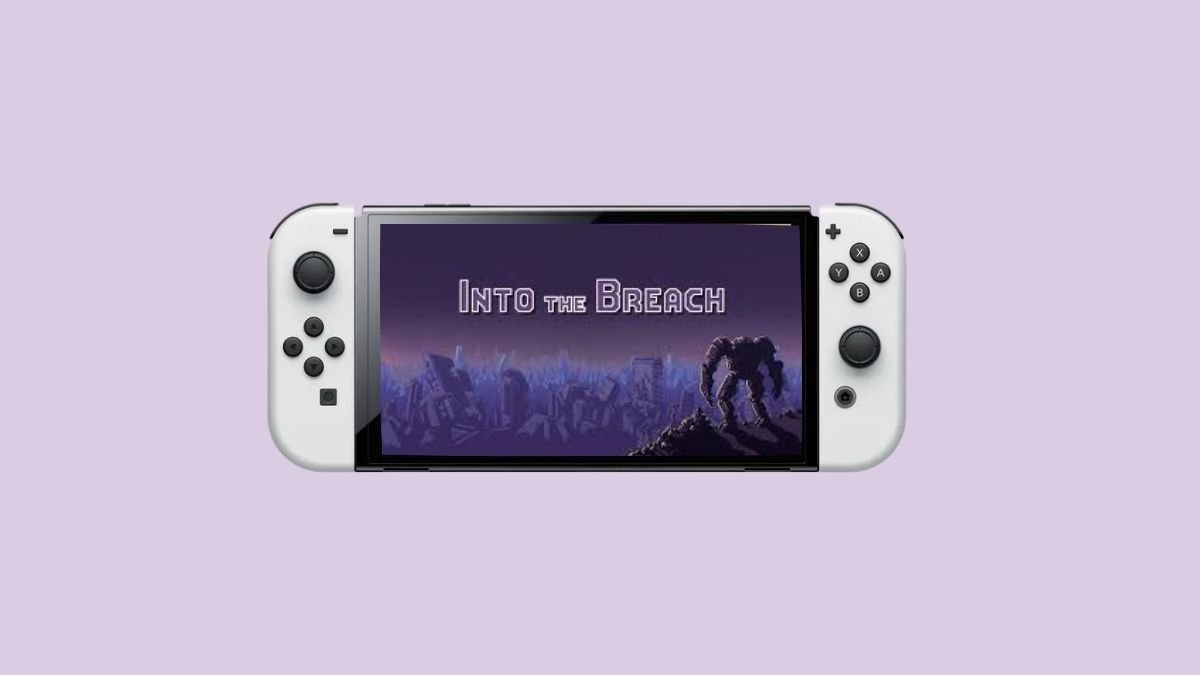
- Cross-platform availability (PC, macOS, Linux, Switch, iOS/Android) suits all player preferences
Cons
- Single-player only; no multiplayer, leaderboards, or competitive infrastructure
- Roguelike permadeath may frustrate narrative-driven players seeking story continuity
- Sprite-based minimalist aesthetics alienate players expecting AAA production values
- Short individual runs (2–4 hours) may not satisfy players craving 40+ hour single campaigns
- Mobile version (Netflix exclusive) requires subscription; standalone mobile purchase unavailable
Performance Notes
Highly optimized across platforms. PC runs at 60+ fps on modest hardware. Switch maintains 60 fps in handheld and docked modes. Mobile (iOS/Android via Netflix) runs at 60 fps with touch optimization. Load times negligible across all versions.
Into the Breach stands as one of gaming’s most perfectly distilled tactical experiences. The indie roguelike from Subset Games (creators of FTL: Faster Than Light) condenses complex strategic decision-making into 2–4 hour runs where predictability replaces randomness, and every turn presents a solvable puzzle. Each enemy attack telegraphs fully, eliminating fog of war frustration. Players field three mechs with distinct weapon loadouts, maneuver across grid-based island maps, and optimize civilian casualty counts to earn reputation for equipment upgrades. The July 2022 Advanced Edition free update added five squads, 39 weapons, seven enemies, and an “Unfair” difficulty mode, cementing the game’s longevity seven years post-launch. This review examines why critics unanimously praised Into the Breach as 2018’s best reviewed PC title and which players should prioritize this gem.
How to Play Into the Breach
Combat resolves through simultaneous turn execution: you issue commands to your three mechs, enemy Vek (insectoid creatures) telegraph attacks, then simultaneous resolution occurs. Each turn, you reposition mechs, deploy weapons, and manipulate terrain to prevent civilian casualties. The turn limit (typically 5–7 turns) forces quick decisive action; failure to clear the island spawns the Vek in civilian zones, costing reputation points needed for equipment purchases. Victory across three islands unlocks the final boss encounter.
- Controls – Grid-based cursor navigation; point-and-click targeting. Keyboard and controller both fully supported. Minimal learning curve; tutorial island teaches core mechanics in 10 minutes.
- Progression – Defeat Vek to earn coins and kill bonuses. Purchase weapons, mechs, and pilots between islands using reputation currency. Each squad (five initial, five added post-2022) plays distinctly; loadout combinations multiply strategic variance exponentially.
- Combat/Mechanics – Your mechs attack in chosen order; Vek counter-attack in telegraphed patterns visible at turn start. Terrain deformation (water, ice, fire, cracking tiles) becomes tactical tool. Environment management (shooting dams to flood, using electricity on conductive tiles) rivals mech abilities in strategic importance.
- Tips – Study Vek spawn patterns and attack telegraphs; prioritize civilian protection over damage; manipulate terrain before engaging directly; purchase defensive upgrades (armor, repair) early; experiment with squad synergies to find playstyles matching your decision-making pace.
Who Should Play Into the Breach
Into the Breach appeals to puzzle game enthusiasts disguised as strategy title buyers, board game fans seeking mechanical elegance, and players frustrated by randomness-driven tactics. The short run length (2–4 hours) accommodates busy schedules; roguelike structure ensures no two playthroughs feel identical despite predictable enemy behavior. High difficulty scaling from “Easy” to “Unfair” suits everyone from casual tacticians to hardcore optimizers chasing perfect runs.
- Puzzle Enthusiasts – Each turn functions as a discrete solvable puzzle with limited information gaps. Telegraphed enemies remove guesswork entirely—failure stems from suboptimal strategy, not RNG punishment.
- Efficiency Optimizers – Leaderboards track perfect run completions (zero civilian casualties). Speedrunners and optimization enthusiasts compete for sub-90-minute records across all squad combinations.
- Board Game Admirers – Deterministic turn sequences, clear victory conditions, and zero hidden information mirror excellent board game design. Roguelike structure adds narrative progression absent from pure board games.
- Skip if – You require narrative depth, prefer real-time tactical action, dislike permadeath mechanics, or expect lengthy single playthroughs; Into the Breach’s 2–4 hour format may feel too brief.
Into the Breach Platform Performance
Subset Games optimized the title across five platforms without compromises. PC versions (Steam, GOG, Epic Games Store) max out framerates and resolution. Nintendo Switch operates identically to PC mechanically but at reduced visual fidelity. Mobile versions (iOS/Android via Netflix, July 2022+) use touch-optimized UI. All versions support cloud saves and cross-platform progression on desktop platforms.
| Platform | Resolution | FPS | Notes |
|---|---|---|---|
| PC (High-End) | 4K | 144+ | Ultra settings; uncapped framerates; minimal loading times |
| PC (Medium) | 1440p | 60+ | High settings; optimal balance of visuals and performance |
| Nintendo Switch | 1080p (Docked) / 720p (Handheld) | 60 | Portable optimization; identical gameplay to PC |
| macOS | 1440p | 60+ | Full support; M-series chips run at ultra settings |
| iOS/Android (Netflix) | 1080p | 60 | Touch-optimized controls; Netflix subscription required; cloud save support |
Into the Breach System Requirements
Into the Breach’s modest system requirements reflect its sprite-based minimalist aesthetic and indie pedigree. Even budget laptops and aging desktops exceed minimum thresholds by significant margins. The game occupies 400 MB disk space—downloadable on 4G mobile in minutes.
| Component | Minimum | Recommended |
|---|---|---|
| OS | Windows Vista/7/8/10 (32-bit or 64-bit) | Windows 10/11 (64-bit) |
| CPU | 1.7+ GHz processor | Intel Core i5 or AMD Ryzen 5 |
| GPU | Intel HD 3000 or equivalent integrated graphics | NVIDIA GTX 1060 or AMD RX 580 |
| RAM | 1 GB | 4 GB |
| Storage | 400 MB free space (SSD preferred) | SSD with 1 GB free space |
| Additional | OpenGL 2.1 support | DirectX 12 compatible |
Similar Games to Into the Breach
Into the Breach occupies a narrow tactical niche: puzzle-adjacent roguelike turn-based systems where enemy transparency replaces fog of war drama. These alternatives share roguelike progression, deterministic resolution, or puzzle-solving approaches while introducing distinct mechanics.
- Advance Wars 1+2: Re-Boot Camp – Longer campaigns (40+ hours) but identical grid-based unit management. AW lacks roguelike structure and permadeath; Into the Breach’s repeated three-island runs contrast with AW’s linear narrative progression.
- Slay the Spire – Roguelike deck-building with perfect information and turn-based resolution. Shorter runs (1–2 hours) versus Into the Breach’s 2–4 hours. Both eliminate randomness through strategic layering rather than luck mitigation.
- XCOM 2 – Procedural difficulty scaling and permadeath create tension absent in Into the Breach’s deterministic systems. Longer campaigns (30–40 hours) and base management add complexity beyond pure tactical combat.
- Phantom Doctrine – Cold War espionage tactics with procedurally generated missions. Darker tone than Into the Breach; permadeath consequences similar but set in spy thriller narrative.
Into the Breach vs Competitors
Into the Breach’s value proposition hinges on mechanical elegance and run-length brevity rather than content volume. At $14.99, it undercuts competitors by 75%–85% while delivering equivalent playtime-per-dollar through extreme replayability. The Advanced Edition (2022) narrowed gaps against larger roguelike offerings through free content expansion.
| Feature | Into the Breach | Slay the Spire | XCOM 2 |
|---|---|---|---|
| Price (USD) | $14.99 | $24.99 | $59.99 |
| Average Run Length | 2–4 hours | 1–2 hours | 30–40 hours |
| Roguelike Structure | Yes (procedural maps, pilot variety) | Yes (deck building, relics) | Hybrid (story campaign + permadeath) |
| Replayability Factor | Extreme (10 squads × 39 weapons × 4 pilots) | Very High (300+ cards, 4 characters) | High (procedural mission generation) |
| Metacritic Score | 90 | 93 | 82 |
| Perfect Information | Yes (all enemy moves telegraphed) | Yes (card draw predictable) | No (fog of war, hit chance RNG) |
Into the Breach Story and World
Narrative remains deliberately minimal; the core premise suffices: dimensional rifts allow time-traveling humanity to combat Vek infestations across alternate timelines. Each failed run spawns new timeline attempts, justifying roguelike structure narratively. Boss encounters introduce specific Vek variants and environmental hazards escalating difficulty. Pilot dialogue and personality shine through flavor text rather than cutscenes; the game respects player time investment. Art direction compensates for sparse storytelling: sprite-based aesthetic aged gracefully; neon color schemes and isometric angles create cyberpunk-meets-retro visual identity. Ben Prunty’s soundtrack (synthesizer-heavy, sci-fi influenced) elevates atmosphere without overwhelming strategic focus.
Into the Breach Multiplayer and Online
Into the Breach lacks competitive or cooperative multiplayer. The design philosophy prioritizes single-player tactical optimization and puzzle-solving. No leaderboards or asynchronous competition exist within the base game. Community engagement revolves around self-imposed challenges: perfect-run speedruns, restricted squad limitations, and high-score documentation on fan wikis and Discord communities. The game remains fundamentally single-player, though its deterministic mechanics facilitate spectator enjoyment—streamers and content creators showcase squad synergies and optimization strategies, generating organic competitive discourse without built-in infrastructure.
- No Online Modes – Single-player roguelike structure prioritizes personal optimization over networked competition.
- Community Challenges – Fan communities organize self-imposed restrictions: solo-squad runs, pacifist civilian-protection challenges, and speedrun categories spanning archived attempts.
- Cross-Platform Progression – Steam Cloud integration allows save transfer between PC and macOS; mobile version (iOS/Android) maintains separate save state via Netflix account.
- Spectator Accessibility – Deterministic turn resolution and transparent information make Into the Breach ideal for streaming and observer participation without observer-dependent mechanics.
Into the Breach DLC and Expansions
The Advanced Edition (July 2022) represents the most substantial post-launch update, delivered entirely free to existing players. Subset Games’ commitment to indefinite free updates distinguishes it from industry norm. No paid cosmetics, battle pass, or premium content exists; the base $14.99 purchase grants perpetual access to all current and future free content. Mobile Netflix version includes Advanced Edition features by default.
- Advanced Edition (2022) – Five new squads, 39 weapons, seven enemies, three new psion types, 12 missions, four pilots, “Unfair” difficulty mode, 2 new music tracks, 7 new languages (Arabic, Thai, Swedish, Korean, Traditional Chinese, Turkish, Latin American Spanish). Entirely free.
- Optional Content Toggles – Players may disable Advanced Edition additions to experience base-game content exclusively; all new enemies, weapons, and pilots toggle independently.
- Free Updates Philosophy – Subset Games published a statement committing to indefinite free balancing and content additions; no paywall content planned as of January 2026.
- Mobile Version Parity – Netflix iOS and Android releases (2022) include Advanced Edition by default; no separate updates required for mobile players.
Into the Breach Community and Support
The community remains vibrant seven years post-launch, sustained by minimal content fatigue and high skill ceiling for optimization. Subset Games maintains active communication through development blogs, post-mortems, and transparent design discussions. Fan communities on Reddit, Discord, and specialized forums document strategies, speedrun routes, and challenge categories. The game’s small file size (~400 MB) and universal accessibility foster global participation spanning age demographics and experience levels.
- Official Developer Communication – Subset Games publishes quarterly development updates; blog posts explain balance changes and feature additions. Community feedback drives priority; developers explicitly solicit suggestions on Discord.
- Community Hubs – r/IntoTheBreach (~50,000 subscribers) hosts beginner guides, advanced strategy breakdowns, and fan art. Discord servers organize community challenges and speedrun verification.
- Modding Support – PC version supports community mods via Steam Workshop; 200+ mods modify squad abilities, add custom weapons, and enable hardcore permadeath variants. Developers permit and encourage modding.
- Update Frequency – Balance patches released quarterly; feature updates (squads, weapons, enemies) published annually. No subscription-based content gates or mandatory updates disrupting offline play.