
 53
53
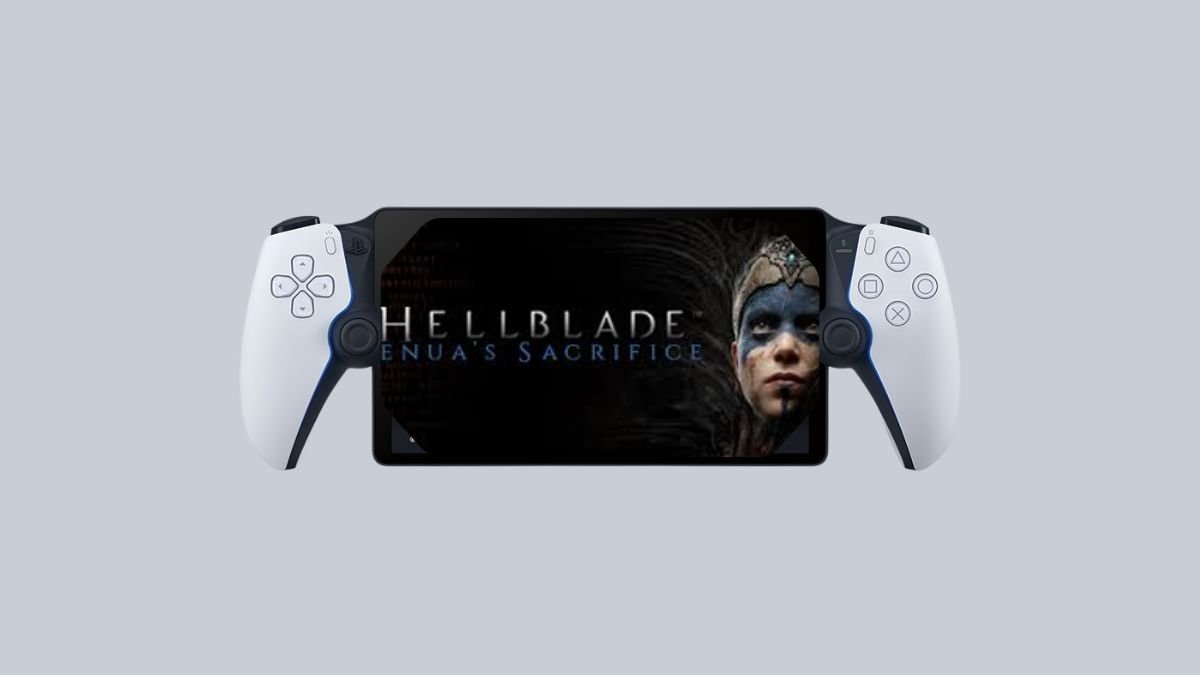
Hellblade: Senua’s Sacrifice – Psychological Norse Adventure
A haunting journey through Norse mythology and psychological turmoil. Hellblade rating 8.3/10 combines brutal combat with unprecedented mental health representation.
Game Info
Verdict
A masterful blend of art and interactive storytelling that redefines psychological horror through authentic mental health representation.
Pros
- Unprecedented psychological depth exploring mental illness with respect and accuracy
- Atmospheric audio design with binaural 3D sound creates psychological immersion
- Melina Juergens' performance rivals Oscar-caliber acting in traditional media
- Visual storytelling through Norse mythology creates haunting, memorable imagery
- Affordable $29.99 price point for production values typically seen at $60+
- Multiple platform accessibility from PS5 to Nintendo Switch
Cons
- Combat becomes repetitive with limited enemy variety across 6-8 hour campaign
- Puzzle design sometimes obscures solutions behind vague audio cues requiring trial-and-error
- Linear narrative structure eliminates replay value; story cannot be altered by player choices
- Slower pacing demands emotional patience; not suited for action-focused gameplay preferences
- DLC absence means no additional story content to extend engagement
Performance Notes
PS5/Xbox Series X deliver 4K at 30fps. PC supports up to 4K+ resolution with 60+ fps on high-end hardware. Xbox One scales to 1440p at 30fps. All versions prioritize cinematic visuals over raw frame rate.
Hellblade: Senua’s Sacrifice stands as a watershed moment in gaming, where artistic ambition meets psychological depth. Originally released in August 2017, this independent AAA title reimagines the action-adventure genre by centering the narrative around Senua’s struggle with psychosis, blending Norse mythology with an intimate portrait of mental illness. Critics praised it as a work of interactive art, and with the PS5 upgrade arriving in August 2025, newcomers can experience this groundbreaking title with enhanced visuals and performance. This review explores what makes Hellblade essential for those seeking games that challenge both mind and reflexes.
How to Play Hellblade: Senua’s Sacrifice
Hellblade combines melee combat with environmental puzzle-solving and exploration. The game employs single-plane combat where enemies approach from the front, creating a focused, intimate battle system. Progression unfolds through a linear narrative that cannot be replayed with alternate choices, keeping the focus on Senua’s singular psychological journey.
- Controls – Melee attacks use light and heavy strikes; the learning curve is gentle, with minimal tutorials allowing players to discover mechanics organically
- Progression – Players advance through story chapters, unlocking new combat combos and abilities while collecting hidden items that unlock developer commentary
- Combat/Mechanics – Real-time 3D combat requires stamina management and timing; puzzles involve audio cues and environmental shapes that must align with perspective to unlock passages
- Tips – Use binaural audio with headphones for the intended experience; the voices in Senua’s head provide hints during puzzles and combat warnings
Who Should Play Hellblade: Senua’s Sacrifice
Hellblade appeals to narrative-driven players seeking artistic experiences and those interested in mental health representation in games. It demands patience for slower pacing but rewards with emotional resonance few games achieve.
- Story enthusiasts – Players who value psychological narratives and visual storytelling will find Senua’s journey profoundly moving and unforgettable
- Combat fans – Those enjoying focused, skill-based melee encounters without overwhelming enemy variety will appreciate the streamlined battle system
- VR players – The game supports HTC Vive and Oculus Rift, offering an immersive version of Senua’s perspective that intensifies the psychological experience
- Skip if – Action game veterans seeking fast-paced combat or players uncomfortable with themes of mental illness, self-harm, and dark subject matter should reconsider
Hellblade: Senua’s Sacrifice Platform Performance
Hellblade runs natively across multiple platforms with optimizations for each hardware generation. The PS5 upgrade (August 2025) delivers enhanced visuals, while PC maintains the highest fidelity at 4K resolution. All versions prioritize cinematic presentation over performance metrics.
| Platform | Resolution | FPS | Notes |
|---|---|---|---|
| PC (High) | 4K | 60+ | Highest visual fidelity; scalable based on GPU capability |
| PS5 | 4K | 30 | Free upgrade from PS4 version available; optimized for PS5 Pro |
| Xbox Series X | 4K | 30 | Enhanced performance mode delivers consistent frame rates |
| Xbox One | 1440p | 30 | Slight resolution scaling on older hardware |
Hellblade: Senua’s Sacrifice System Requirements
PC requirements remain modest for a 2017 release, with recommended specs targeting 1440p gaming. The game scales well across configurations, making it accessible to mid-range systems while supporting high-end configurations.
| Component | Minimum | Recommended |
|---|---|---|
| OS | Windows 7, 8, 10 (64-bit) | Windows 10 64-bit |
| CPU | Intel Core i5-3570K or AMD FX-8350 | Intel Core i7-4770K or AMD Ryzen 5 1600 |
| GPU | NVIDIA GTX 770 2GB or AMD R9 280X 3GB | NVIDIA GTX 1060 6GB or AMD RX 480 8GB |
| RAM | 8 GB | 16 GB |
| Storage | 30 GB SSD | SSD Recommended |
Similar Games to Hellblade: Senua’s Sacrifice
Games sharing Hellblade’s emphasis on narrative, atmosphere, and artistic presentation create an alternative landscape for players seeking similar emotional experiences combined with engaging mechanics.
- SOMA – A psychological thriller with similar narrative depth but replaces combat with puzzle-solving and exploration, emphasizing existential horror over action
- What Remains of Edith Finch – A walking simulator that prioritizes storytelling through environmental narrative; shorter but equally impactful emotional journey
- Bramble: The Mountain King – Nordic-inspired horror adventure blending mythological themes, puzzle-focused gameplay, and psychological tension without traditional combat
- Senua’s Saga: Hellblade II – The 2024 sequel expands narrative scope and visual ambition while maintaining the psychological horror roots and innovative audio design
Hellblade: Senua’s Sacrifice vs Competitors
Hellblade occupies a unique niche between indie and AAA productions, balancing artistic ambition with production values. Direct comparisons reveal distinct design philosophies and target audiences.
| Feature | Hellblade | Dying Light 2 | God of War (2018) |
|---|---|---|---|
| Price | $29.99 | $49.99 | $39.99 |
| Playtime (Story) | 6-8 Hours | 20-25 Hours | 35-45 Hours |
| Multiplayer | No | Yes (4-player co-op) | No |
| Metacritic | 83 (PC) | 72 (Multi) | 94 (PS4) |
Hellblade: Senua’s Sacrifice Story and World
Set in a dark reimagining of Viking-era Norse mythology, Hellblade follows Senua’s quest into Hel, the realm of the dead, to rescue her lover’s soul. The narrative interweaves Norse myth with Senua’s internal struggle against psychosis, portrayed through auditory hallucinations and visual distortions. Collaborating with neuroscientists and people with lived experience of psychosis, Ninja Theory crafted an authentic portrayal that validates rather than exploits mental illness. The world is less a traditional fantasy realm and more a manifestation of Senua’s fractured psyche, where reality bends to accommodate her perception. The 5-7 hour story delivers emotional weight rarely found in games, tackling themes of grief, trauma, and acceptance without offering easy resolution.
Hellblade: Senua’s Sacrifice Multiplayer and Online
Hellblade is exclusively single-player with no online or local multiplayer features. The game prioritizes intimate storytelling within Senua’s perspective, making multiplayer mechanically incompatible with its design philosophy.
- Single-Player Campaign – Linear 6-8 hour narrative journey with no branching paths or player choices affecting story direction
- VR Support – Optional virtual reality implementation via HTC Vive and Oculus Rift enhances psychological immersion
- Collectibles – Hidden items unlock developer commentary tracks providing insight into creative process and mental health consultation
- No Multiplayer – Game design centers on singular first-person psychological experience incompatible with cooperative or competitive modes
Hellblade: Senua’s Sacrifice DLC and Expansions
Hellblade released as a complete experience with no season pass, DLC content, or post-launch expansions. Ninja Theory committed to delivering the full vision at launch, with only technical updates and bug fixes released post-release.
- No Paid DLC – The complete experience ships with initial purchase; no additional story content or cosmetics are monetized
- Free Updates – Occasional patches address stability and performance improvements across all platforms
- Developer Commentary – Unlockable 4+ hours of audio commentary from Ninja Theory team discussing creative decisions and mental health research
- VR Expansion – VR support added post-launch via free update (2018) without additional purchase requirement
Hellblade: Senua’s Sacrifice Community and Support
Ninja Theory actively maintains community engagement through forums and social channels. The game’s cultural significance has spawned educational discussions around mental health representation, making it a touchstone for industry conversations.
- Official Forums – Ninja Theory maintains active community spaces where developers respond to feedback and discuss creative process
- Reddit/Discord – Thriving player communities discuss gameplay, mental health aspects, and Norse mythology elements integrated into the narrative
- Mental Health Resources – Game includes integrated mental health awareness information and partnerships with organizations supporting psychosis research
- Updates – Patches released irregularly as needed; no announced roadmap but community engagement remains consistent through social media