
 44
44
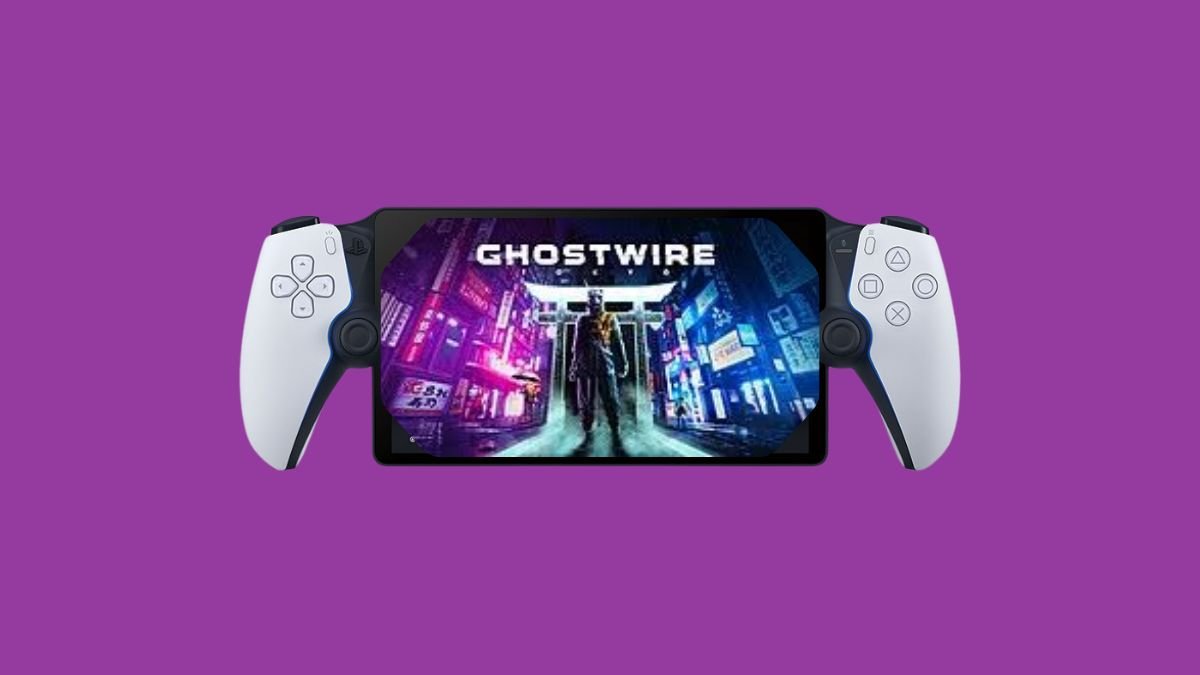
Ghostwire: Tokyo – Supernatural Tokyo Horror Adventure
Ghostwire: Tokyo delivers a haunting exploration of a supernatural-infused Tokyo with fluid first-person combat and stunning atmospheric design. Metacritic 75.
Game Info
Verdict
Haunting Tokyo exploration with fluid supernatural combat undermined by generic narrative and performance inconsistencies across platforms.
Pros
- Stunning recreation of Tokyo with incredible architectural detail and lighting
- Unique gesture-based psychic combat system feels fluid and intuitive
- Atmospheric world-building successfully integrates Japanese folklore into modern setting
- Free Spider's Thread update adds substantial roguelite content and story expansion
- Photo mode enables creative environmental capture with extensive customization
- Excellent use of 3D audio enhancing supernatural tension and immersion
Cons
- Frame-pacing issues across all platforms despite high target framerates
- Limited combat ability variety until mid-game creates repetitive engagement
- Generic revenge narrative with underdeveloped character arcs
- Excessive collectible hunting becomes tedious despite optional nature
- Side missions lack narrative depth compared to mainline progression
- Performance optimization problems persist despite post-launch patches
Performance Notes
PS5 delivers stable 60fps quality mode with ray tracing and 120fps performance mode at 1440p. PC scales from 720p minimum to 4K ultra with ray tracing on high-end GPUs. Xbox Series X matches PS5 targets but exhibits frame-pacing inconsistencies during combat. Series S experiences significant performance degradation with 30fps quality mode.
Ghostwire: Tokyo stands as a unique entry in the action-adventure genre, blending Japanese folklore with modern urban exploration. Released in March 2022 by Tango Gameworks under Bethesda Softworks, this first-person supernatural action game carves its own identity within horror gaming. The game achieved a solid Metacritic score of 75, praised for its imaginative world design and atmospheric rendering of Tokyo, though critics noted limited combat depth. This review explores how Ghostwire balances exploration, combat mechanics, and narrative storytelling in a hauntingly beautiful recreation of Tokyo’s most iconic districts.
How to Play Ghostwire: Tokyo
Ghostwire: Tokyo channels combat director Shinichiro Hara’s vision of martial arts-inspired supernatural powers, creating an intuitive yet unconventional combat system. Players assume the role of Akito, a man possessed by a mysterious spirit called KK, exploring a Tokyo overrun by vengeful Yokai entities. The gameplay loop centers on discovering spirit lairs, performing finishing moves on weakened enemies, and collecting resources to upgrade abilities.
- Controls – Hand gesture mechanics drive the core combat; players perform intuitive directional inputs to cast elemental abilities (fire, water, wind, electricity). Controller support feels responsive and natural, with optional touchpad controls for gesture casting adding variety.
- Progression – Advancing through six chapters unlocks new psychic abilities and skill trees. Collecting Meika currency from defeated spirits and side activities funds upgrades; traversing Tokyo’s five districts progresses the main narrative while optional collectibles and side quests extend engagement.
- Combat/Mechanics – Combat emphasizes skill-based timing; players weaken enemies through charged attacks, trigger finishing moves when cores expose, and manage multiple enemy engagements simultaneously. The ethereal wire system enables mid-distance finishing moves and provides tactical depth beyond simple button mashing.
- Tips – Cleanse Torii gates early to unlock side content and earn substantial experience; prioritize ability upgrades over weapon unlocks; collect cosmetic items and lore entries scattered throughout the open world to deepen immersion and unlock photo mode features.
Who Should Play Ghostwire: Tokyo
Ghostwire targets players seeking atmospheric exploration with action-oriented gameplay, benefiting supernatural horror fans unfamiliar with genre conventions. The game scales difficulty effectively, accommodating both action-game veterans and casual players exploring Tokyo’s mysteries without crushing difficulty spikes.
- Supernatural Exploration Fans – Players drawn to atmospheric world-building and Japanese culture will appreciate the meticulous Tokyo recreation paired with Japanese folklore integration; the game excels at environmental storytelling and cultural authenticity.
- Action Players – Combat-focused gamers seeking something beyond traditional shooters or sword-and-shield systems will find satisfaction in the gesture-based magic system’s fluid, responsive mechanics despite limited mid-game combat variety.
- Open-World Enthusiasts – Those who value discovery-driven gameplay over linear progression will relish cleansing districts, hunting collectibles, and uncovering lore fragments scattered throughout expansive environments.
- Skip if – Demand pure horror experiences or story-heavy narratives may find Ghostwire’s straightforward revenge narrative and generic character development underwhelming compared to celebrated horror franchises.
Ghostwire: Tokyo Platform Performance
Ghostwire: Tokyo delivers visually impressive rendering across platforms, though frame-pacing inconsistencies persist despite high target frame rates. PlayStation 5 maintains the most stable performance, while PC offers customizable quality tiers for diverse hardware configurations. Xbox Series X/S versions match PS5 graphically but exhibit more frequent frame-timing issues during intensive sequences.
| Platform | Resolution | FPS | Notes |
|---|---|---|---|
| PC (High) | 1440p | 60+ | Ray tracing optional; DLSS/FSR support available for higher framerates; stuttering reported in some configurations |
| PS5 | 4K/1440p | 60/120 | Quality mode targets 60fps with ray tracing; Performance mode prioritizes 120fps at 1440p with reduced ray tracing |
| Xbox Series X | 4K/1440p | 60/120 | Matches PS5 targets but exhibits frame-pacing problems; Performance mode less stable than PS5 equivalent |
| Xbox Series S | 1440p/1080p | 30/60 | Significant compromises; Quality mode targets 30fps with severe frame-pacing issues; performance degradation expected |
Ghostwire: Tokyo System Requirements
PC specifications span from modest entry-level requirements supporting 720p low-setting gameplay to demanding high-end configurations enabling 4K ray-tracing experiences. Bethesda’s tiered approach allows broader hardware compatibility; SSD installation substantially reduces loading times on all configurations. Ray-tracing implementation scales well across GPU generations.
| Component | Minimum (720p) | Recommended (1080p High) | Highest (1440p Ultra + RT) |
|---|---|---|---|
| OS | Windows 10 64-bit v1909+ | Windows 10 64-bit v1909+ | Windows 10 64-bit v1909+ |
| CPU | Core i7 4770K @ 3.5GHz / Ryzen 5 2600 | Core i7 6700K @ 3.4GHz / Ryzen 5 2600 | Core i7 8700K / Ryzen 5 5600X |
| GPU | GTX 1060 (6GB) / RX 5500 XT | GTX 1080 (6GB) / RX 5600 XT | RTX 2080 Super / RX 6800 XT (8GB+) |
| RAM | 12GB | 16GB | 16GB |
| Storage | 20GB SSD recommended | 20GB SSD recommended | 20GB SSD recommended |
Similar Games to Ghostwire: Tokyo
Ghostwire: Tokyo occupies a distinctive niche blending first-person action with supernatural exploration. These alternatives offer comparable experiences through different mechanical or thematic lenses. Control emphasizes environmental interaction; Resident Evil Village provides horror-action balance; Sekiro delivers punishing combat mastery; Prey explores science-fiction mystery in contained environments.
- Control – Supernatural protagonist discovers paranormal abilities within modern corporate architecture; shares ethereal combat system and environmental puzzle-solving but delivers denser story complexity and reality-bending mechanics.
- Resident Evil Village – First-person horror-action exploring European gothic atmosphere; comparable combat fundamentals but prioritizes survival horror pacing and resource management over gesture-based abilities.
- Sekiro: Shadows Die Twice – Japanese-inspired action with martial arts combat philosophy; offers significantly higher difficulty ceiling and boss-encounter emphasis while sacrificing open-world exploration for linear progression.
- Alan Wake 2 – Psychological horror with supernatural combat; shares atmospheric storytelling and urban exploration but emphasizes narrative complexity over combat fluidity.
Ghostwire: Tokyo vs Competitors
The competitive landscape reveals Ghostwire: Tokyo’s positioning as a mid-tier action-adventure offering accessibility and visual spectacle. Control surpasses it in narrative complexity and combat system innovation, while Resident Evil Village delivers more cohesive horror-action integration. Price-per-playtime analysis favors longer-form experiences like Sekiro, though Ghostwire’s visual achievement and Japanese setting justify its positioning for culturally-interested audiences.
| Feature | Ghostwire: Tokyo | Control | Resident Evil Village |
|---|---|---|---|
| Price | $59.99 | $39.99 (now) | $59.99 |
| Playtime (Main) | 11-12 hours | 10-12 hours | 9-11 hours |
| Multiplayer | No | No | No |
| Metacritic | 75 | 76 | 84 |
Ghostwire: Tokyo Story and World
Ghostwire: Tokyo constructs its narrative around Tokyo’s sudden population disappearance, leaving only supernatural entities haunting districts where 99 percent of inhabitants vanish instantly. The protagonist Akito awakens as an unwilling host to KK, a spirit with mysterious ties to the catastrophe. The six-chapter story follows investigative progression through iconic locations—Shibuya Crossing, Tokyo Tower, traditional temples—creating a hauntingly atmospheric reconstruction of familiar landmarks rendered eerie through supernatural corruption. The world-building integrates authentic Japanese folklore, transforming Yokai legends into contemporary threats. Tone oscillates between awe-inspired exploration and visceral action sequences, grounding cosmic horror within culturally-grounded mythology rather than Western supernatural conventions. Story arcs develop predictably, prioritizing atmosphere and setting over character complexity or narrative twists.
Ghostwire: Tokyo Multiplayer and Online
Ghostwire: Tokyo operates exclusively as a single-player experience with no multiplayer modes, competitive components, or online cooperative features. Server connectivity focuses entirely on asynchronous player-generated content through in-game photo sharing and cosmetic unlock systems. The game lacks live-service mechanics, seasonal events, or battle pass systems, positioning it as a traditional narrative-driven title rather than live-service phenomenon.
- Single-Player Campaign – Complete narrative experience spanning 11-37 hours depending on engagement with optional content; no player competition or cooperation mechanics affect progression.
- Photo Mode Sharing – Players capture and share screenshots through built-in photo mode featuring customizable filters, overlays, and cosmetic unlocks; passive community engagement without direct interaction.
- Cosmetic Progression – Unlock cosmetic outfits and weapon skins through gameplay achievements and optional paid DLC; no gameplay advantages from cosmetic purchases.
- Cross-Play – Not applicable; single-player title with no online connectivity features or cross-platform requirements.
Ghostwire: Tokyo DLC and Expansions
Bethesda and Tango Gameworks delivered substantial post-launch support through the free Spider’s Thread update released April 2023, introducing roguelite gameplay, new story areas, additional enemies, and combat abilities. Paid cosmetic DLC offers limited customization options without affecting mechanical balance or story content. The developers committed to ongoing support with quality-of-life improvements rather than narrative expansions.
- Spider’s Thread Update – Free expansion featuring roguelite challenge mode with 30 stages drawn from 120+ tailored encounters; includes Middle School area exploration, new Visitor types (Retribution, Silent Gaze, Sanguine Dancer), extended main story cinematics, and upgraded combat mechanics (Perfect Guard Counter, Quick Dodge, Charge Rush).
- Cosmetic DLC Packs – Paid outfit bundles including Streetwear Outfit, Shinobi Outfit, and Kunai Weapon variants; purely cosmetic with no gameplay implications or mechanical advantages.
- Photo Mode Expansion – Updated photo mode with expanded filters, reduced horror effects option (replaced spirits with adorable cat stickers), and capsule machine collectibles providing cosmetic rewards.
- Free Quality-of-Life Updates – Ongoing patch support addressing performance optimization, control scheme refinements, and accessibility features; active development roadmap through 2024.
Ghostwire: Tokyo Community and Support
The Ghostwire: Tokyo community maintains active engagement through official channels and grassroots platforms despite single-player-only design. Tango Gameworks maintains responsive developer communication addressing technical issues and feature requests. Modding support exists on PC through community-created cosmetic mods, though the game lacks official Steam Workshop integration.
- Official Forums – Bethesda and Tango Gameworks host community forums addressing technical support, feedback collection, and development updates; developers engage regularly with player questions.
- Reddit and Discord – Subreddits r/GhostwireTokyo and unofficial Discord servers facilitate player discussion, challenge sharing, and community events; active moderation maintains constructive discourse.
- Mod Support – Community-created cosmetic mods available through Nexus Mods and similar platforms; developers permit cosmetic modifications but restrict mechanical alterations protecting game balance.
- Updates and Roadmap – Developers publish quarterly roadmaps detailing upcoming patches, performance improvements, and content additions; average patch frequency every 4-6 weeks addressing reported issues.