
 38
38
The Division 2 – Elite Tactical Looter-Shooter
The Division 2 delivers large-scale tactical combat with 100+ hours of endgame content. Rated 8.4/10 by critics, this looter-shooter excels in Washington D.C. exploration and seasonal storytelling for team-focused players.
Game Info
Verdict
The Division 2 evolves looter-shooter design through tactical third-person combat and robust seasonal storytelling, delivering 100+ hours of cooperative endgame content.
Pros
- Improved gunplay mechanics and cover-based positioning depth over original Division
- Expansive Washington D.C. setting with environmental variety and exploration incentives
- Robust cooperative four-player campaign with optional difficulty scaling for solo play
- Comprehensive endgame ecosystem: raids, Dark Zones, PvP, seasonal challenges
- Six years of continuous seasonal content with transparent roadmap communication
- Dynamic build-crafting through gear sets, talents, and exotic weapons enabling diverse playstyles
Cons
- Endgame progression becomes grind-heavy; optimal gear acquisition demands 100+ hours
- Dark Zone entry barriers for undergeared solo players; risk-reward mechanics favor organized teams
- Requires Ubisoft Connect account even on Steam; authentication layer adds friction
- Narrative substance weaker than campaign suggests; characters remain underdeveloped
- PvP balance issues in early gearscore tiers; normalization inadequate addressing skill variance
- Seasonal model gatekeeping creates FOMO pressure for cosmetics despite non-competitive nature
Performance Notes
Console performance prioritizes stability through dynamic resolution: PS5/Series X deliver 4K/60fps quality or 1440p/120fps performance modes. PC scales across hardware tiers; RTX 2080 Ti sustains 4K/60fps while mid-range cards achieve 1440p/60fps. Optimization improvements over 2019 launch enable smooth experience across generations despite 77GB storage footprint.
The Division 2 represents Ubisoft’s evolution of the original Division formula into a comprehensive live-service looter-shooter competing directly with Destiny 2’s market position. The game’s transition to Washington D.C.—emerging from quarantine following biological collapse—provides thematic cohesion absent in the original’s New York setting. Six years of continuous seasonal support, story expansions, and mechanical refinements have transformed the game from troubled launch into a destination title for cooperative PvE and PvP shooters. This review evaluates The Division 2’s campaign experience, sprawling endgame systems, technical performance, and whether 100+ hours of content justify engagement in 2025.
How to Play The Division 2
The Division 2 unfolds as a tactical third-person shooter where gunplay precision, cover-based positioning, and ability combinations drive combat success. You assume the role of a Division agent tasked with reclaiming Washington D.C. from hostile factions. Mission design emphasizes squad coordination across four-player teams, though solo play remains viable through difficulty scaling. Progression feeds character power through loot drops—weapons, armor, and gear mods—with stat-based advancement mirroring traditional RPG mechanics applied to shooter mechanics.
- Controls – Third-person perspective with contextual cover system; snap to cover by approaching walls or pressing dedicated button. Ability hotkeys accessible via bumpers/shoulders. Learning curve moderate; cover mechanics intuitive after 2-3 missions, though ability optimization requires experience.
- Progression – Campaign spans 30+ story missions progressing through districts, unlocking side activities (checkpoints, safehouses, control points). Post-campaign endgame introduces normalized PvP, harder difficulty tiers (Challenging, Heroic, Legendary), eight-player raids, and seasonal content requiring grinding for optimal gear sets.
- Combat/Mechanics – Engage enemies from cover using precise gunplay; abilities provide utility (healing, offensive cooldowns, control effects). Loot drops automatically; gear progression involves equipping higher-rarity items and optimizing stat rolls. Endgame shifts toward build crafting around specific talents and exotic weapons enabling specialized playstyles.
- Tips – Level cooperatively when possible; squad scaling makes four-player missions manageable solo but incentivizes teamwork. Prioritize unlocking safehouses early for convenient fast-travel hubs. Endgame demands build theory crafting; YouTube guides facilitate optimization once campaign concludes.
Who Should Play The Division 2
The Division 2 targets cooperative team-focused players seeking 100+ hour experiences with regular new content seasons. Tactical shooter fans appreciate the cover-based positioning depth, while looter-shooter enthusiasts enjoy gear progression hooks. Solo players can enjoy the campaign but will find endgame significantly less rewarding without squad participation.
- Cooperative squad players – Four-player co-op design creates inherent advantage for organized teams. Discord communities facilitate group formation for raids and legendary difficulty content requiring communication and coordination.
- Tactical cover-shooters – Positioning mechanics reward methodical approach over aggressive spray-and-pray. Environmental design emphasizes flanking opportunities and coordinated ability usage creating problem-solving satisfaction.
- Seasonal content consumers – Year 6’s Seasons 2.0 overhaul creates fresh narrative arcs every 3-4 months with new exotic weapons, gear sets, and story missions. Seasonal journey provides progression treadmill rewarding consistent engagement.
- Skip if – You prefer solo experiences without squad dependency, dislike grinding for optimal builds, or expect robust PvP balancing. Matchmaking can pair mismatched skill levels; solo endgame legitimately feels inferior to group progression.
The Division 2 Platform Performance
The Division 2 maintains consistent technical performance across platforms through careful optimization. PC enables higher fidelity at resolution and frame-rate costs; console versions deliver locked performance through dynamic resolution scaling. The game scales beautifully across hardware tiers—older generation consoles at 1080p/30fps through next-gen at 4K/120fps—without compromising environmental quality or rendering distance.
| Platform | Resolution | FPS | Notes |
|---|---|---|---|
| PC (High) | 4K | 60+ | RTX 2080 Ti achieves 4K/60fps consistently; lower specs handle 1440p/60fps or 1080p/100+ fps depending on configuration. |
| PS5 | 4K/1440p | 60/120 | Quality mode locks 4K/60fps; Performance mode dynamic 1440p/120fps. Fast SSD reduces loading times below 15 seconds reliably. |
| Xbox Series X | 4K/1440p | 60/120 | Parity with PlayStation 5; identical frame-rate options and visual fidelity. Smart Delivery enables free upgrades from Xbox One versions. |
| PlayStation 4 | 1080p | 30 | Base hardware limits resolution despite optimization; acceptable for campaign play but competitive PvP suffers from frame-rate disadvantage. |
The Division 2 System Requirements
The Division 2’s PC requirements remain reasonable for 2019-era development standards, though the 77GB footprint demands substantial storage. Minimum specifications deliver 1080p/30fps on modest configurations; recommended specs ensure 1080p/60fps consistently across varied mission complexity. Ultra settings at 4K demand high-end GPUs but scale gracefully on budget hardware through graphical compromise.
| Component | Minimum | Recommended |
|---|---|---|
| OS | Windows 7 SP1, 8.1, or 10 64-bit | Windows 10 64-bit |
| CPU | Intel Core i5-2500K or AMD FX-6350 | Intel Core i7-4790 or AMD Ryzen 5 1500X |
| GPU | NVIDIA GeForce GTX 670 or AMD Radeon R9 270 | NVIDIA GeForce GTX 970 or AMD Radeon RX 480 |
| RAM | 8 GB | 8 GB |
| Storage | 77 GB SSD/HDD | SSD Recommended (faster loading) |
Similar Games to The Division 2
The Division 2 operates within the crowded looter-shooter space where Destiny 2 remains primary competitor. Other co-op tactical shooters offer comparable experiences emphasizing teamwork and gear progression, though none replicate its Washington D.C. exploration or seasonal storytelling approach.
- Destiny 2 – Science-fiction looter-shooter with similar endgame raids and seasonal models; emphasizes exotic weapons and class abilities over gear optimization. Significantly stronger PvP ecosystem.
- Borderlands 3 – Humorous looter-shooter emphasizing gun variety and solo playability. Lacks Division 2’s tactical cover system and cooperative raid complexity but offers 60+ hour campaign.
- Outriders – Mid-budget looter-shooter emphasizing ability combinations and aggressive movement. Smaller community and less robust endgame than Division 2 but streamlined progression.
- Back 4 Blood – Left 4 Dead successor focused on cooperative wave survival over gear progression. Lacks Division 2’s depth but delivers tight cooperative gunplay.
The Division 2 vs Competitors
The Division 2 positions itself as Destiny 2’s primary competitor within looter-shooters, differentiating through tactical third-person gameplay and story-driven seasonal content. Destiny 2 maintains advantage in PvP ecosystem and exotic weapon design, while Division 2 excels in cooperative storytelling and endgame mechanical variety through gear sets and build crafting.
| Feature | The Division 2 | Destiny 2 | Borderlands 3 |
|---|---|---|---|
| Price | $29.99 (frequent sales) | Free-to-play ($39.99 DLC) | $39.99 |
| Playtime | 100+ hours (endgame heavy) | 80+ hours (content gates) | 60+ hours (campaign focus) |
| Multiplayer | Yes (4-player co-op, PvP, raids) | Yes (6-player raids, PvP) | Yes (4-player co-op) |
| Metacritic | 84 | 76 | 75 |
The Division 2 Story and World
The Division 2’s narrative shifts from the original’s mystery-laden setup to a story of societal reclamation following biological catastrophe. Washington D.C. emerges from mandatory lockdown as agents restore governmental order against hardened criminal factions, paramilitary remnants, and cultish extremists. The campaign portrays protagonist emergence through environmental storytelling—propaganda broadcasts, civilian testimonies, and factional ideology—rather than cinematic exposition. Seasonal narratives evolve this foundation; Year 6 seasons introduce compelling character arcs (Aaron Keener’s rogue agent storyline) creating narrative momentum lacking in earlier content. Tone shifts from grim survival toward hopeful reconstruction without naivety regarding societal collapse.
The Division 2 Multiplayer and Online
The Division 2 distinguishes itself through multiple multiplayer modes catering to varied playstyles. Four-player cooperative campaigns accommodate casual team play; eight-player raids demand mechanical precision; Dark Zone hybrid PvE/PvP zones create constant tension between cooperation and betrayal; organized PvP modes enable competitive team shooters without extraction stakes.
- Campaign Co-op – Four-player cooperative story missions across campaign and repeatable strongholds. Matchmaking available but discouraged for first playthroughs; Discord communities facilitate coordinated progression.
- Dark Zone PvE – Solo or team PvE missions in PvE-only Dark Zone variant. Eliminated the original’s tension/betrayal dynamic but removed frustration from pure PvP farming.
- Organized PvP – Skirmish (4v4 deathmatch) and Domination (4v4 control points) standardized gear normalization preventing item-level dominance. Ranked seasons with seasonal cosmetic rewards encourage competitive participation.
- Raids – Legendary Tier raids accommodate eight players with multiple boss encounters requiring mechanical coordination, role distribution, and communication discipline. Current raids (Pentagon, Descent roguelike variant) provide Destiny 2–like checkpoint structure.
- Cross-play – No cross-console play between PlayStation/Xbox. PC players limited to other PC players regardless of store (Steam/Epic/Ubisoft Connect). Shared progression across platforms within same ecosystem.
The Division 2 DLC and Expansions
The Division 2 embraces live-service post-launch support across six years, delivering substantial story expansions alongside seasonal cosmetic passes. The game’s content roadmap transitions from surprise updates toward communication-focused transparency regarding planned seasons and narrative arcs.
- Warlords of New York – 2020 story expansion ($19.99) introducing new map tier and exotic weapons. Rebalanced endgame through gear set overhauls and skill adjustments affecting long-term builds.
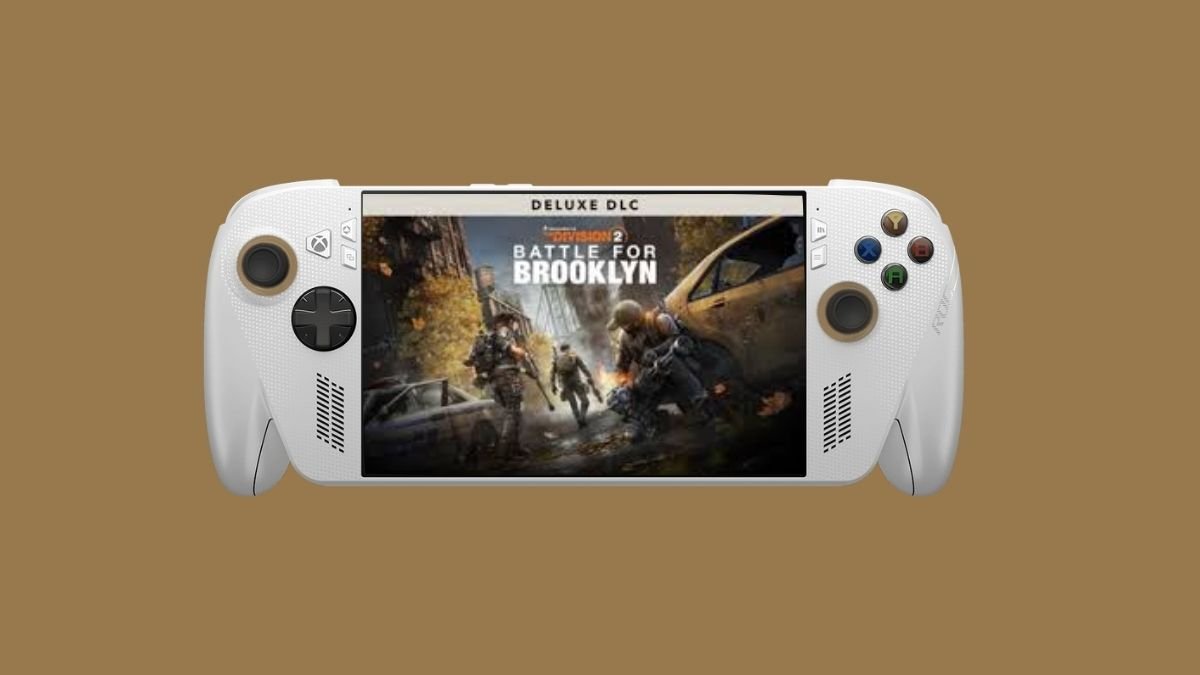
- Brooklyn Story Expansion – 2025 major story expansion (scheduled) marking first substantial content update in five years; introduces new map zone and narrative continuation of Keener storyline.
- Seasonal Content – Year 6 Seasons 2.0 shift from character-specific journeys toward account-wide progression. Three-month seasons deliver new exotic weapons, gear sets, manhunt scout missions, and narrative conclusions. Season passes ($9.99) unlock cosmetic rewards but remain entirely optional.
- Cosmetic DLC – Outfits, weapon skins, and vanity items available at $4.99-$19.99. Battle pass tiers ($9.99) provide accelerated cosmetic progression; premium currency bundles enable cosmetic customization without gameplay advantage.
The Division 2 Community and Support
The Division 2 maintains one of the most engaged live-service communities despite periodic friction with seasonal balance changes and content drought periods. Official forums, subreddits (r/thedivision 400,000+ members), and Discord communities organize competitive teams, share build guides, and provide feedback directly to developers through official channels and community council positions.
- Official Forums – Ubisoft-hosted forums remain monitoring point for official statements, patch notes, and community feedback collection. Developer responses common in build feedback and balancing discussions.
- Reddit/Discord – r/thedivision subreddit hosts 400,000+ members discussing builds, mechanical exploits, and narrative expectations. Official Discord server (100,000+ members) facilitates team formation, speedrunning competitions, and tournament organization.
- Community Council – Invited players provide feedback on seasonal balance before public release. Transparency regarding failed ideas (character-specific seasonal journeys) demonstrates developer responsiveness to criticism.
- Updates – Bi-weekly maintenance patches address bugs and balance; seasonal updates (3-4 month cycles) deliver new weapons, missions, and narrative content. Extended roadmap communication provides 6-12 month visibility regarding planned content.