
 34
34
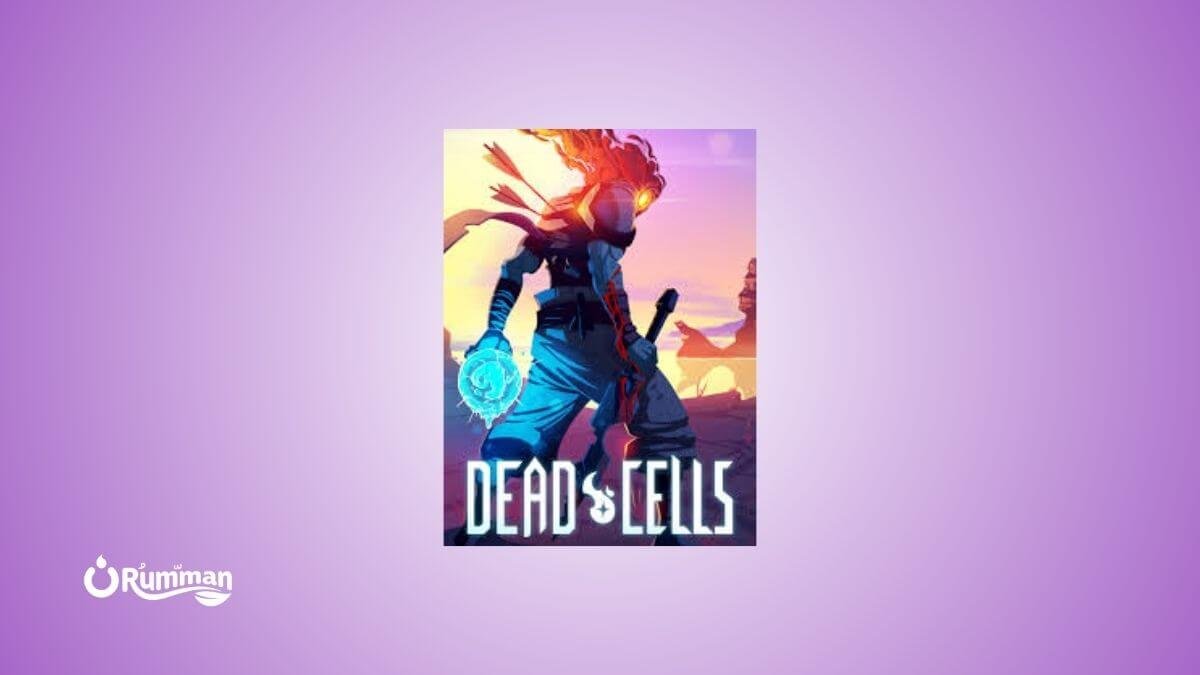
Dead Cells – Roguelike Metroidvania Masterpiece
Dead Cells is a roguelike Metroidvania that fuses relentless combat with permanent progression. Rated 89 on Metacritic, it stands as a genre-defining action platformer.
Game Info
Verdict
Dead Cells remains the gold standard for roguelike Metroidvanias, blending responsive combat with addictive progression through exceptional design.
Pros
- Exceptional combat responsiveness and feel
- Permanent progression system softens roguelike frustration
- Extensive weapon variety encourages experimentation
- Outstanding visual style with meticulous pixel art
- Five premium DLC packs with 35+ free updates ensure continuous content
- Cross-platform availability with optimized controls on each system
Cons
- Minimal story discourages narrative-focused players
- RNG elements occasionally frustrate optimal build attempts
- Difficulty spikes between biomes create pacing inconsistency
- No cooperative or competitive multiplayer modes
Performance Notes
Dead Cells runs at 60+ FPS on PC at 4K with modest hardware. PS5 and Xbox Series X support 120 FPS at 1440p or 60 FPS at 4K. Nintendo Switch maintains stable 60 FPS docked at 1080p, 720p handheld. Minimal CPU/GPU requirements ensure accessibility on budget systems.
Dead Cells stands as a watershed moment in roguelike design, merging the permadeath tension of roguelikes with the exploration and permanent unlocks of Metroidvานias. Since its August 2018 release, it has sold over 10 million copies across platforms and continues receiving meaningful updates. This review explores why Dead Cells remains essential reading for action platformer fans, analyzing its intricate combat systems, upgrade mechanics, and extensive post-launch content.
How to Play Dead Cells
Dead Cells emphasizes real-time combat with a 2D side-scrolling perspective. You control a nameless prisoner through procedurally generated dungeons, collecting weapons and abilities while dodging enemy attacks. Each successful run unlocks permanent upgrades that enhance future attempts, softening the roguelike difficulty without removing challenge.
- Controls – Responsive analog stick or mouse controls govern movement, jumping, and dodging. Attack buttons execute weapons and special abilities. Learning to chain dodges with attacks creates a rewarding flow state.
- Progression – Each run pushes deeper into the tower. Death returns you to the start, but Cells collected during the run unlock permanent power increases, new weapons, and map knowledge.
- Combat/Mechanics – Timing dodges requires patience; combat rewards methodical play over button-mashing. Weapon synergies matter—pairing a slow heavy weapon with a fast sword creates tactical depth.
- Tips – Start with basic weapons to understand enemy patterns. Prioritize health upgrades early. Don’t feel pressured to sprint through levels; exploration often yields better loot than rushing toward bosses.
Who Should Play Dead Cells
Dead Cells appeals to action game veterans and Metroidvania enthusiasts seeking challenge without frustration. Its difficulty curve accommodates newcomers while rewarding mechanical mastery. Skip it if you dislike permanent failure states or prefer story-heavy narratives.
- Souls-like enthusiasts – If you adored Dark Souls’ risk-reward systems, Dead Cells delivers similar tension through permadeath with less punishing recovery mechanics.
- Metroidvania fans – Those who loved Hollow Knight or Ori will recognize the exploration and upgrade loops, though Dead Cells adds roguelike unpredictability.
- Speedrunners and perfectionists – Dead Cells supports speedrunning communities with multiple difficulty modifiers and challenge modes. Leaderboards track fastest completion times.
- Skip if – You prioritize narrative or single-playstyle progression. Dead Cells thrives on replayability and mechanical variety; static players may tire of repeated level layouts.
Dead Cells Platform Performance
Dead Cells maintains consistent visual fidelity and performance across platforms. PC versions run at high frame rates on modest hardware. Console ports handle 60 FPS on current-generation systems with optional performance modes on PS5 and Series X. Switch version sacrifices resolution but maintains responsive controls.
| Platform | Resolution | FPS | Notes |
|---|---|---|---|
| PC (High-end) | 4K | 144+ | Scales to system specs; minimal requirements run at solid 60 FPS |
| PS5 | 4K/1440p | 60/120 | Performance mode locks at 60 FPS; 120 FPS mode targets 1440p |
| Xbox Series X | 4K/1440p | 60/120 | Mirrors PS5 options; slightly better frame pacing on Series X |
| Nintendo Switch | 1080p/720p | 60 | Handheld mode drops to 720p; maintains stable 60 FPS docked |
Dead Cells System Requirements
PC versions require minimal resources. A 2008-era processor paired with 2 GB RAM runs Dead Cells smoothly. Recommended specs include modern mid-range hardware. The game scales gracefully across systems from laptops to high-end gaming PCs.
| Component | Minimum | Recommended |
|---|---|---|
| OS | Windows 7+ | Windows 10/11 |
| CPU | Intel Core i5 or equivalent | Intel Core i7 or Ryzen 5 |
| GPU | NVIDIA GTX 460 / AMD Radeon HD 5750 | NVIDIA GTX 970 / AMD Radeon RX 570 |
| RAM | 2 GB | 4 GB |
| Storage | 500 MB | 500 MB SSD preferred |
Similar Games to Dead Cells
Dead Cells occupies a unique intersection of genres, but several titles offer comparable experiences. These alternatives provide roguelike replayability, Metroidvania exploration, or challenging combat through different lenses.
- Hollow Knight – Pure Metroidvania without roguelike elements; offers uncompromising difficulty and intricate level design. More story-focused than Dead Cells.
- Risk of Rain 2 – 3D roguelike shooter emphasizing item synergies. Similar permanent progression philosophy but completely different genre and visual style.
- Hades – Roguelike action game with stronger narrative integration. Faster combat pacing; emphasizes character relationships alongside gameplay.
- Salt and Sanctuary – 2D souls-like combining Dark Souls methodology with side-scrolling perspective. Slower, darker tone than Dead Cells’ energetic presentation.
Dead Cells vs Competitors
Dead Cells dominates its genre through superior combat responsiveness and upgrade accessibility. Competitors offer specific advantages—Hades integrates story more deeply; Hollow Knight demands greater mechanical mastery—but Dead Cells balances accessibility with depth most effectively.
| Feature | Dead Cells | Hollow Knight | Hades |
|---|---|---|---|
| Price | $24.99 | $14.99 | $24.99 |
| Average Playtime | 40-80 hours | 50-100 hours | 50-100 hours |
| Multiplayer | No | No | No |
| Metacritic | 89 | 87 | 93 |
Dead Cells Story and World
Dead Cells eschews traditional narrative in favor of environmental storytelling. You play an unnamed prisoner escaping a castle infested with unnatural creatures. The world remains intentionally cryptic, with scattered environmental clues hinting at catastrophic experiments. This minimalist approach prioritizes moment-to-moment gameplay over exposition, trusting players to construct personal narratives through exploration. DLC expansions introduce themed biomes—castles, laboratories, underwater fortresses—each with unique aesthetic and lore implications without explicit storytelling.
Dead Cells Multiplayer and Online
Dead Cells focuses exclusively on single-player experience. Motion Twin confirmed no online or local cooperative modes, choosing instead to refine solo gameplay. However, Twitch integration allows stream viewers to influence streamer runs through voting mechanics.
- Twitch Integration – Stream viewers vote on weapon choices, difficulty modifiers, and gameplay decisions during runs.
- Leaderboards – The Daily Run mode generates identical levels across players, enabling speedrun competition and time-based rankings.
- Challenge Modes – Custom difficulty settings allow creating personalized challenges for specific playstyles or self-imposed restrictions.
- Cross-Play – Not applicable; single-player only on all platforms.
Dead Cells DLC and Expansions
Dead Cells maintains one of gaming’s most generous post-launch support schedules. Five premium DLC packs expand the base game substantially, while 35+ free updates ensure regular content delivery. All DLC introduces new weapons, biomes, bosses, and progression systems without splitting the player base.
- Rise of the Giant (2019) – Adds new biome and elite boss variant system. $4.99.
- The Bad Seed (2020) – Introduces plant-themed biome with gardening progression mechanics. $4.99.
- Fatal Falls (2021) – Delivers ice-themed biome with frozen enemy variants. $4.99.
- The Queen and the Sea (2022) – Submarine exploration biome featuring aquatic enemies. $4.99.
- Return to Castlevania (2023) – Crossover with Konami’s Castlevania franchise adding Dracula boss and gothic aesthetic. $9.99.
Dead Cells Community and Support
Dead Cells maintains active developer engagement and robust modding infrastructure. Motion Twin and Evil Empire commit to regular balance patches and quality-of-life improvements. As of August 2024, developers announced transition toward maintenance mode while planning experimental new content directions.
- Official Forums – Motion Twin hosts community forums discussing balance, feature requests, and sharing speedruns. Direct developer presence ensures community concerns receive attention.
- Discord/Reddit – r/deadcells hosts 150,000+ members sharing builds, artwork, and speedrun strategies. Official Discord channels coordinate community events and previews.
- Mod Support – Steam Workshop enables community weapon creation, character reskins, and difficulty modifications. No native mod support for consoles.
- Updates – Patch frequency decreased in 2024 as developers transitioned focus, but maintenance patches continue addressing critical bugs and balance issues.