
 73
73
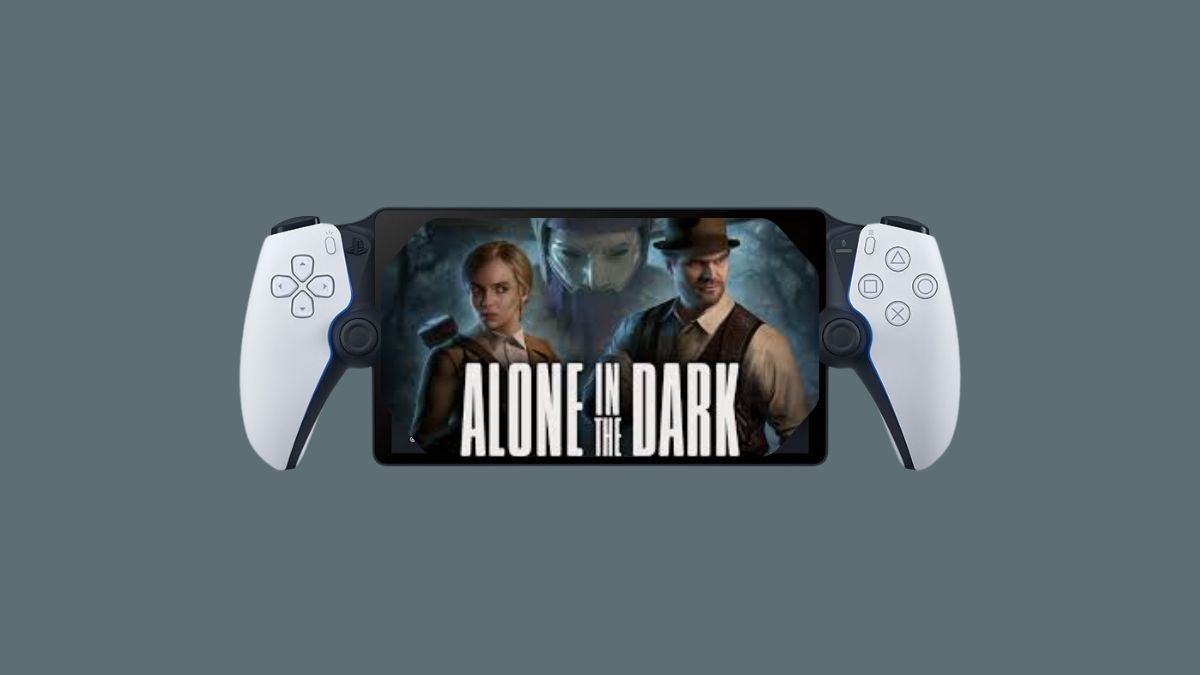
Alone in the Dark 2024 – A Flawed but Atmospheric Reimagining
Pieces Interactive's 2024 reimagining brings psychological horror to life with strong performances from David Harbour and Jodie Comer, but technical issues and clunky combat prevent it from reaching masterpiece status. Rated 6.5/10.
Game Info
Verdict
Atmospheric reimagining with strong storytelling hindered by technical issues, clunky combat, and inconsistent design decisions throughout.
Pros
- Excellent voice acting from David Harbour and Jodie Comer elevates the narrative
- Atmospheric world design inspired by Dario Argento's visual language
- Dual-campaign structure provides two distinct narrative perspectives
- Solid puzzle design maintains survival horror's intellectual foundation
- Photo Mode and New Game+ added post-launch at no extra cost
- Autosave system prevents excessive progress loss
Cons
- Camera struggles significantly in confined spaces, crippling combat effectiveness
- Unresolved shader compilation stuttering across all platforms
- Clunky melee combat mechanics feel outdated compared to contemporaries
- Asset streaming issues create visual pop-in and white flash artifacts
- Studio closure (Pieces Interactive) eliminated post-launch content plans
- Technical crashes reported on Xbox Series S and occasional softlocks
Performance Notes
PS5/Xbox Series X: 30fps Quality (1440p-4K), 60fps Performance (1440p dynamic). Series S: 60fps with reduced resolution (1080p-1440p dynamic). PC: Scales 1080p 30fps minimum to 4K 60+fps high-end. All platforms suffer shader compilation stuttering and asset streaming artifacts.
Alone in the Dark stands as an ambitious attempt to revive a legendary franchise for modern audiences. This 2024 reimagining abandons the fixed camera angles of its predecessor in favor of an over-the-shoulder perspective reminiscent of recent Resident Evil remakes. Set in the 1930s within Derceto Mansion, the game weaves psychological horror with Southern Gothic aesthetics, featuring dual protagonists whose performances anchor an otherwise technically troubled experience. Players investigating supernatural mysteries in decaying Louisiana locations will discover that atmospheric storytelling cannot entirely compensate for gameplay shortcomings, making this a worthwhile but imperfect horror adventure for enthusiasts of the genre.
How to Play Alone in the Dark
Gameplay revolves around third-person exploration with strategic puzzle-solving and resource-limited combat. Players navigate Derceto’s interconnected rooms, collecting clues and tools to unravel environmental mysteries. The control scheme uses standard dual-stick mechanics, though the camera struggles in confined spaces—a persistent frustration throughout the experience. Progression follows a chapter-based structure across two separate campaigns, each telling the story from different perspectives with unique cutscenes and story beats.
- Controls – Standard third-person controls with over-shoulder camera; aiming feels imprecise in tight corridors due to camera collision issues
- Progression – Chapter-based advancement with frequent autosaves; completing one campaign unlocks the second perspective for approximately 6-10 additional hours
- Combat/Mechanics – Strategic melee and ranged combat against supernatural creatures; ammunition scarcity forces tactical thinking, though hit detection remains inconsistent
- Tips – Explore thoroughly before progressing; puzzle solutions rarely telegraph their requirements, and missed items can lock you into unintended playstyles
Who Should Play Alone in the Dark
Survival horror fans seeking narrative-driven experiences will find value here, particularly those who appreciate atmospheric worldbuilding over mechanically polished gameplay. The dual-protagonist structure appeals to story-focused players who enjoy discovering multiple narrative perspectives. Hollywood acting enthusiasts will appreciate performances from David Harbour and Jodie Comer that elevate the material beyond typical game dialogue. Skip if fast-paced combat or technical polish are non-negotiable; frustrating camera behavior and shader compilation stuttering will test your patience.
- Narrative-focused gamers – Two distinct story campaigns with strong voice acting justify the experience despite mechanical rough edges
- Atmosphere enthusiasts – Derceto’s visual design draws inspiration from Dario Argento films; nightmare sequences and atmospheric lighting create genuine unease
- Classic horror fans – This reimagining respects the original while taking the series forward; puzzle design maintains the intellectual challenge of early survival horror
- Skip if – You prioritize responsive combat, flawless technical performance, or multiplayer features; this game delivers none of these at AAA quality levels
Alone in the Dark Platform Performance
Performance varies significantly across platforms, with all versions suffering from shader compilation stuttering and asset streaming issues. PlayStation 5 and Xbox Series X deliver identical framerates through two distinct modes: Quality mode targets 30fps with full resolution, while Performance mode achieves 60fps at dynamic 1440p reconstruction. Xbox Series S makes significant visual compromises to maintain 60fps playability. PC performance scales substantially based on hardware, from entry-level 1080p 30fps to high-end 4K 60+fps with ray tracing options.
| Platform | Resolution | FPS | Notes |
|---|---|---|---|
| PC (High-End) | 4K | 60+ | RTX 2060 or better; highly scalable; shader stuttering persists across all configs |
| PS5 (Quality) | 4K/1440p | 30 | Minor frame dips to 29fps in heavy scenes; black screen bug in attic puzzles patched in May update |
| PS5 (Performance) | 1440p dynamic | 60 | Most stable version; slight dips during cutscenes; camera struggles in confined spaces |
| Xbox Series X | 1440p dynamic | 60 | Performs identically to PS5; Quick Resume feature available |
| Xbox Series S | 1080p-1440p dynamic | 60 | Significant visual downgrade; still playable but noticeably reduced asset quality and draw distance |
Alone in the Dark System Requirements
PC players need either mid-range or modern components depending on desired fidelity. Minimum specifications target 1080p 30fps gameplay, while recommended specs enable 1440p-4K 60fps performance. The 50GB installation size demands substantial storage, and SSD is strongly recommended to avoid asset streaming issues that plague even console versions. DirectX 12 support is required; older Windows 10 installations may encounter compatibility issues.
| Component | Minimum | Recommended |
|---|---|---|
| OS | Windows 10 64-bit | Windows 10/11 64-bit (latest drivers) |
| CPU | Ryzen 3 3100 / Core i3-8300 | Ryzen 7 3700X / Core i5-12400 |
| GPU | GTX 1050 Ti / RX 570 (2GB VRAM) | RTX 2060 / RX 5700 XT (6GB+ VRAM) |
| RAM | 8 GB | 16 GB |
| Storage | 50 GB available (HDD acceptable) | 50 GB SSD strongly recommended |
| DirectX | Version 12 | Version 12 with latest GPU drivers |
Similar Games to Alone in the Dark
The horror remake landscape has expanded significantly with multiple contemporary titles exploring similar themes. Games in this lineage share survival horror mechanics, puzzle-first design philosophy, and atmospheric storytelling emphasis. Each offers distinct approaches to the genre: some prioritize combat refinement, others lean harder into narrative, and a few push technical boundaries. Players completing Alone in the Dark should explore these titles for comparison and to understand where this reimagining fits within modern survival horror evolution.
- Resident Evil 4 Remake (2023) – Identical camera perspective with superior combat mechanics; longer campaign (20-30 hours); higher Metacritic score (93) but less puzzle-focused
- Resident Evil 2 Remake (2019) – Pioneered the fixed-camera-to-over-shoulder conversion; tighter level design and fewer technical issues; more refined puzzle integration
- Silent Hill 2 Remake (2024) – More methodical pacing; focuses heavily on psychological horror atmosphere; stronger environmental storytelling; equivalent technical issues
- Dead Space Remake (2023) – Similar action-horror balance but emphasizes combat over puzzles; sci-fi setting instead of supernatural
Alone in the Dark vs Competitors
Comparative analysis reveals Alone in the Dark’s position within the contemporary horror remake market. While stronger than average entertainment, it underperforms against its direct competitors in critical reception and longevity metrics. The game’s emphasis on dual-perspective storytelling sets it apart from action-heavier alternatives, though this strength does not translate to mechanical excellence or technical stability that defines higher-rated titles in this category.
| Feature | Alone in the Dark | Resident Evil 4 Remake | Silent Hill 2 Remake |
|---|---|---|---|
| Price (USD) | $39.99 | $59.99 | $69.99 |
| Campaign Length | 12-20 hours (both) | 20-30 hours | 15-20 hours |
| Multiplayer | No | No | No |
| Metacritic (PS5) | 63 | 93 | 87 |
| Puzzle Focus | High | Medium | High |
| Story Emphasis | Dual campaigns | Single | Single |
Alone in the Dark Story and World
Derceto Mansion functions as a character unto itself—a decaying asylum housing impossible mysteries and eldritch horrors. The 1930s Louisiana setting creates authentic period atmosphere through environmental design inspired by filmmaker Dario Argento’s visual language. Players uncover supernatural mysteries through two parallel narratives: Edward Carnby (David Harbour) arrives as a pragmatic investigator, while Emily Hartwood (Jodie Comer) seeks her missing uncle with emotional investment. The narrative explores trauma, madness, and escape from societal intolerance, weaving psychological horror alongside supernatural threats. Nightmare sequences transition the player to alternate versions of familiar locations—burning, ruined, or corrupted—amplifying dread. Story execution proves stronger than gameplay implementation, with excellent performances and cinematography elevating dialogue that would otherwise feel generic.
Alone in the Dark Multiplayer and Online Features
Alone in the Dark contains no multiplayer, co-op, competitive modes, or online functionality of any kind. The game is strictly single-player across all platforms. The presence of two protagonists might suggest co-op potential, but developers Pieces Interactive intentionally designed separate campaigns for individual playthroughs. Crossplay remains irrelevant as a single-player title. This design choice simplifies production but eliminates replay incentives that multiplayer functionality might provide. For players seeking shared horror experiences, this represents a notable limitation compared to titles that experimented with co-op survival horror mechanics.
- Campaign Structure – Two distinct single-player campaigns playable sequentially or separately; no shared progression
- Competitive Modes – None available
- Cooperative Features – None available
- Cross-Play – N/A (single-player only)
Alone in the Dark DLC and Expansions
Post-launch content strategy remains minimal as of December 2025. Pieces Interactive focused development efforts on stability patches, bug fixes, and quality-of-life improvements rather than substantial DLC releases. The May 2024 update introduced Photo Mode and New Game+ functionality—significant features that other AAA titles charge for. Season pass or story DLC has not been announced. A Digital Deluxe Edition exists with cosmetic content, though specific details remain limited. The studio’s closure in June 2024 likely contributed to the absence of planned post-launch content, leaving the game as-is with occasional patches addressing critical technical issues.
- Photo Mode – Added May 2024; permits free-camera exploration and screenshot creation
- New Game+ – Added May 2024; allows replay with enhanced difficulty and unlocked content
- Season Pass – None announced
- Free Updates – Ongoing patches for collision fixes (90+ addressed in May update), audio corrections, and gameplay balance adjustments
Alone in the Dark Community and Support
Official community channels remain somewhat fragmented following Pieces Interactive’s studio closure. The primary engagement hub is Derceto Manor, the official Discord server where players share progress, troubleshooting, and feedback. Reddit communities at r/AloneInTheDark maintain active discussion despite moderately sized membership. Steam forums persist as a legacy platform though moderation activity varies. Bug reporting typically routes through official channels with inconsistent response times post-closure. Fan wikis exist but remain incomplete due to ongoing patch revisions that alter mechanics and locations. Modding support on PC exists minimally due to Unreal Engine 4’s proprietary systems; creation tools remain proprietary without community kit releases.
- Official Discord – Derceto Manor community server; occasional developer engagement before studio closure
- Reddit Community – r/AloneInTheDark maintains modest activity; helpful for troubleshooting technical issues
- Steam Community – Active discussion forums; useful for peer support and patch notes compilation
- Mod Support – Minimal; Unreal Engine 4 limitations prevent extensive community modifications