Is Scratch truly free to use?
Yes, Scratch is completely free. There are no premium subscriptions, paywalls, or hidden costs. The Scratch Foundation provides all features at no charge to make programming accessible to everyone worldwide.
 37
37
Imagine. Program. Share.
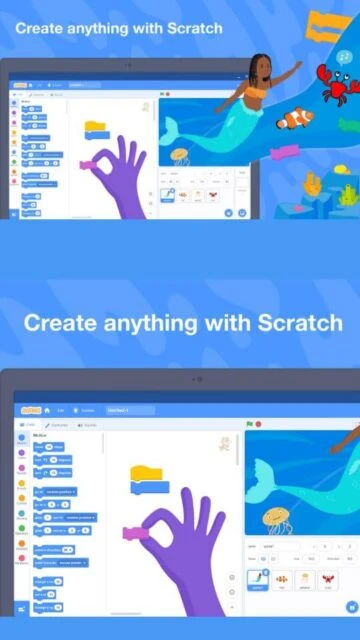
MIT's visual programming platform where children create interactive stories, games, and animations using drag-and-drop code blocks.
Scratch is a free visual programming language created by MIT Media Lab that teaches computational thinking to children and beginners worldwide. It uses color-coded block-based programming that eliminates syntax errors while making coding accessible and fun.
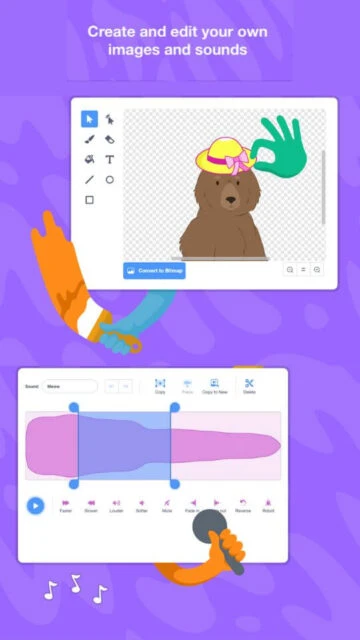
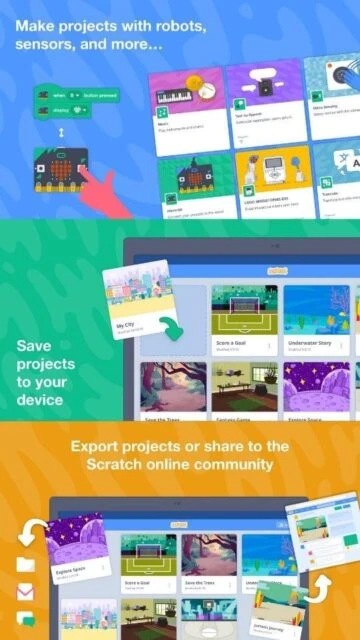
With Scratch, users create interactive stories, games, and animations by snapping together visual blocks representing different commands. The platform supports offline creation, hardware extensions, and integration with physical devices like micro:bit and LEGO robotics for hands-on learning experiences.
Free
| Feature | Free | Premium |
|---|---|---|
| Programming Method | Visual block-based drag-and-drop blocks | Same features with advanced debugging assistance |
| Offline Capability | Create and save projects offline | Enhanced offline mode with cloud sync |
| Collaboration | Share with community and remix projects | Real-time collaborative group projects |
| Hardware Support | Basic device connectivity available | Extended hardware integration suite |
| Customization | Standard color themes and basic tools | High-contrast themes and advanced editing |
| Storage | Cloud storage for projects | Extended storage and backup features |
Yes, Scratch is completely free. There are no premium subscriptions, paywalls, or hidden costs. The Scratch Foundation provides all features at no charge to make programming accessible to everyone worldwide.
Yes! Scratch can be downloaded for offline use on Windows, Mac, and Linux. You can create and save projects locally, then sync to the cloud when you reconnect to the internet.
Scratch is designed for ages 8-16, though users of all ages enjoy it. Younger children ages 5-7 can use ScratchJr instead, which has a simplified interface adapted for early learners.
Students can remix and build upon each other's shared projects. The platform supports collaborative sharing where multiple students can view, comment, and improve projects created by classmates.
Scratch is not available as an iOS app due to Apple developer restrictions. However, you can access Scratch through a web browser on iPad, though it's not fully optimized for mobile touchscreen use.
Projects are automatically saved to your Scratch account in the cloud. You can share projects publicly to the community, keep them private, or share specific links with classmates and teachers.